
Last updated November 15, 2026
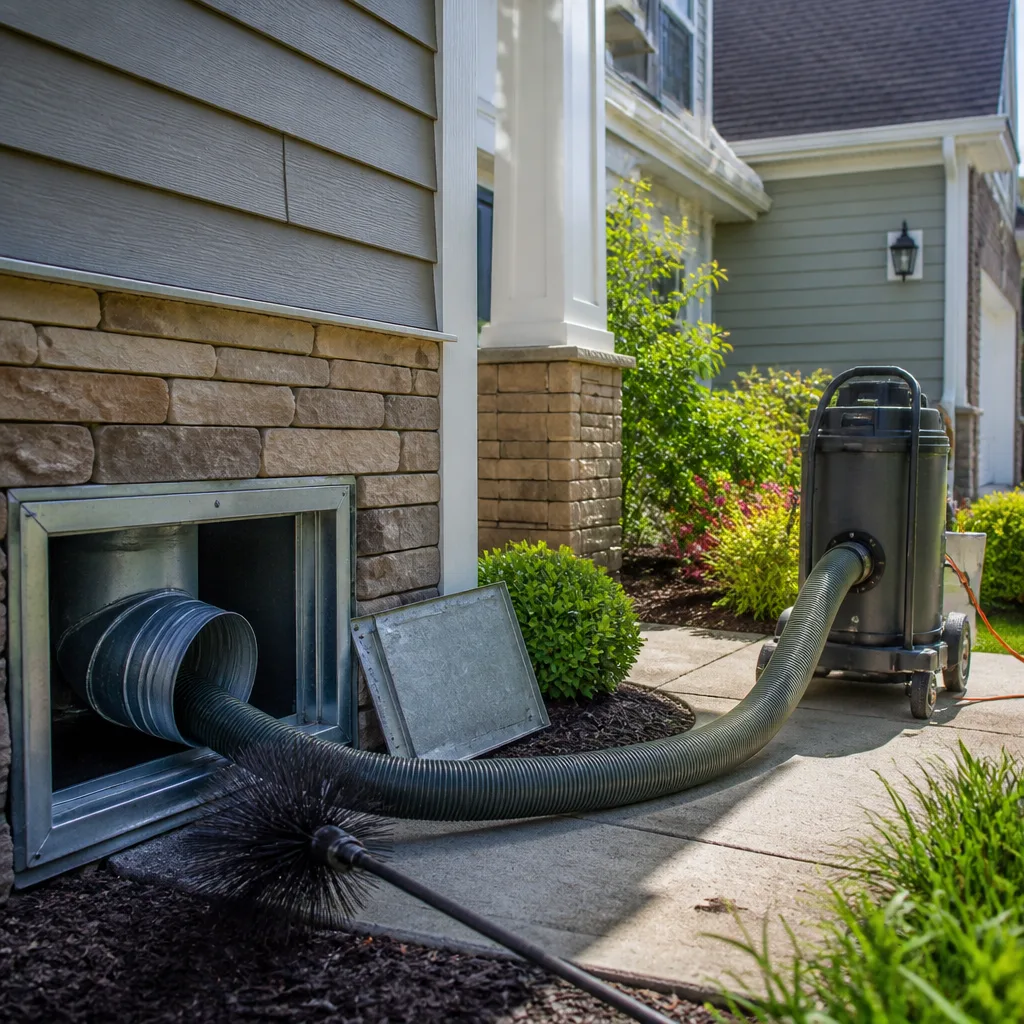 Whole-home duct cleaning
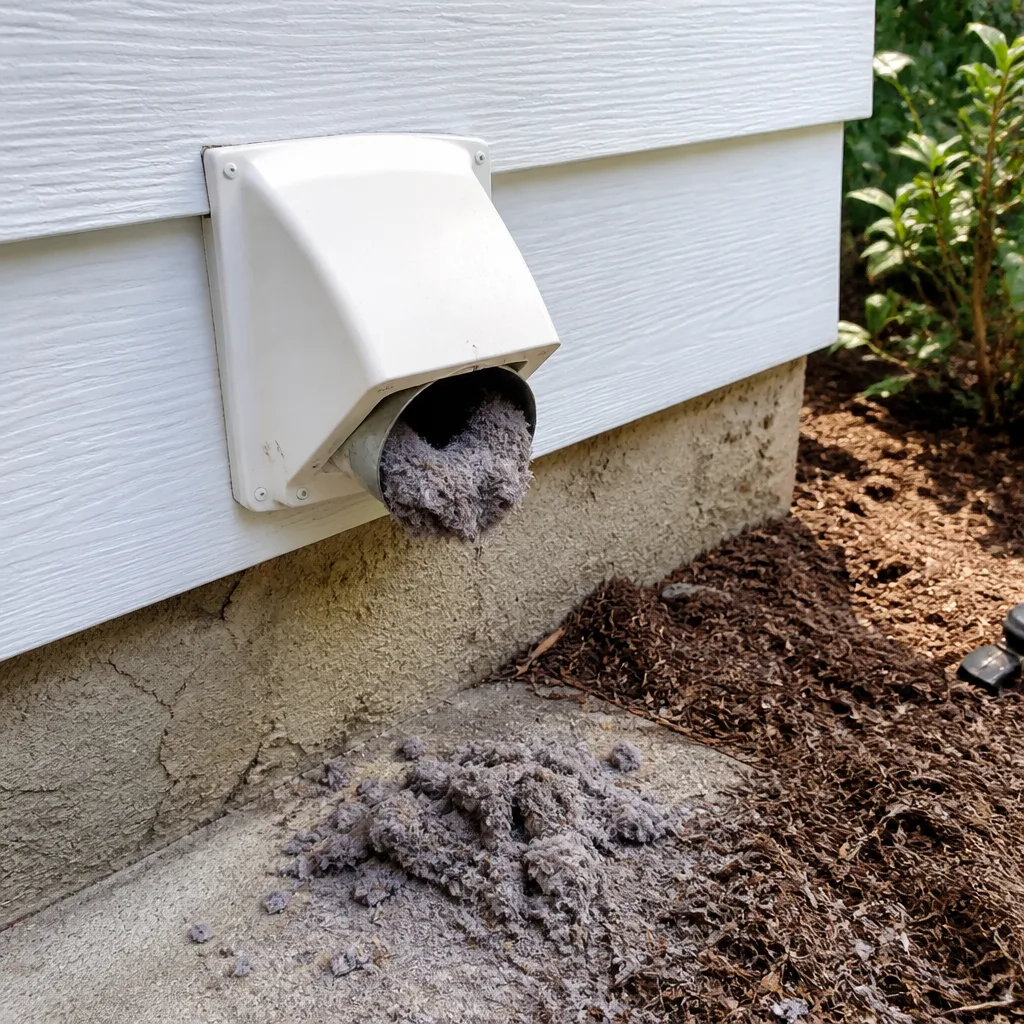 Dryer vent cleaning
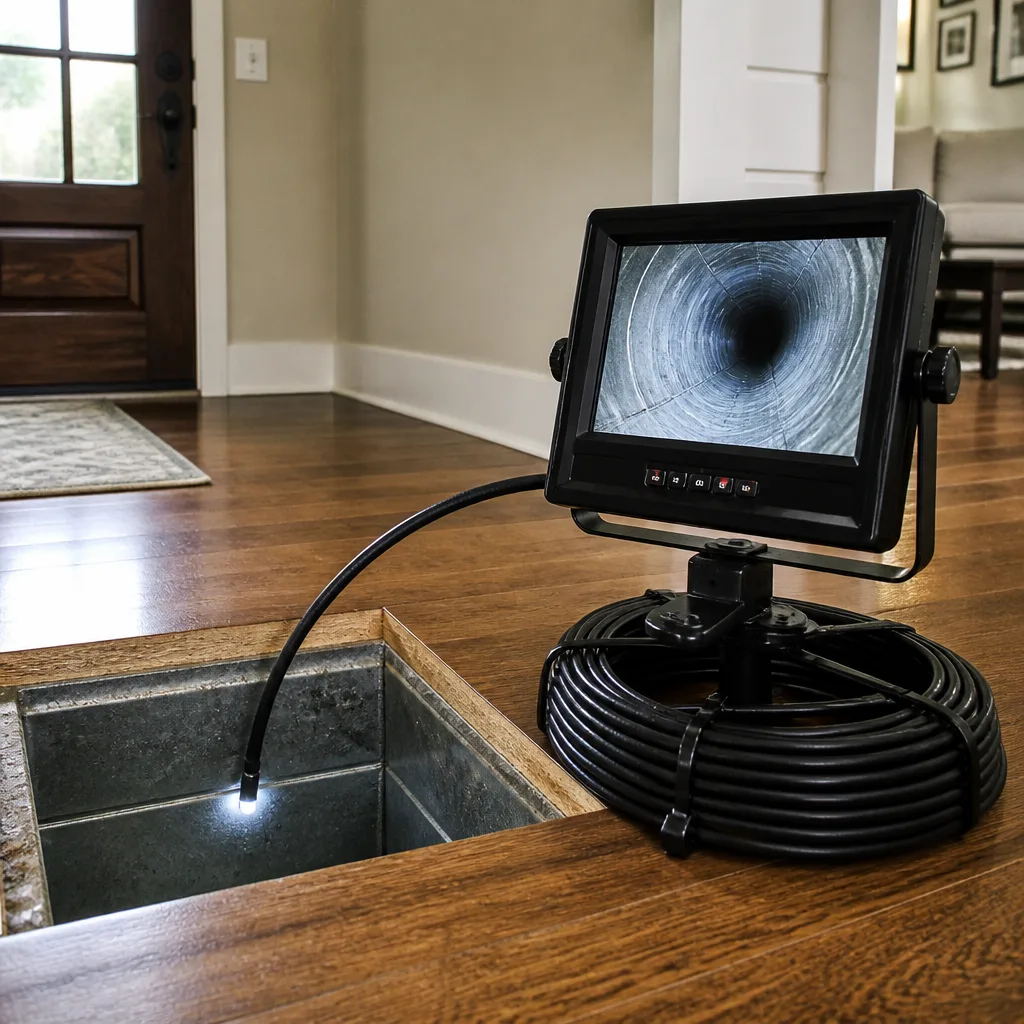 Camera inspection
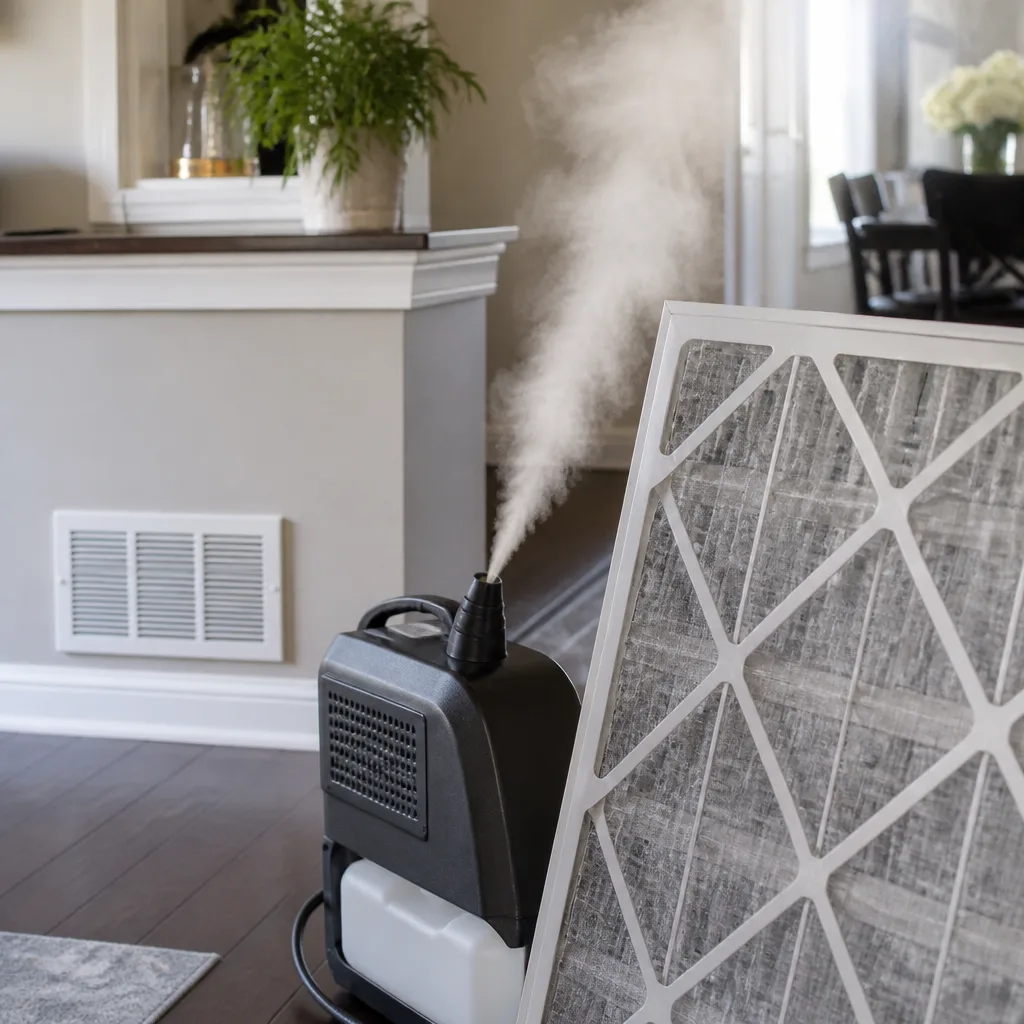 Sanitizing & deodorizing
Whole-system duct and dryer vent check with before-and-after photos - you see exactly what came out of your vents
That "$99 whole-house special" is a bait ad - the real number appears once they are in your hallway, or the "clean" is a shop-vac at the register. We photograph the inside of your ducts before and after instead.
Air Duct Cleaning Maintenance Schedule: What to Do and When
Most homeowners treat duct cleaning as a five-year checkbox. That interval was built for climates with a real heating season, where the system runs hard for a few months and rests the rest of the year. A Cape Coral home is different. Central air here runs roughly ten to eleven months out of twelve, pulling air through the same filters and the same duct runs almost continuously. Filters load faster, dust settles in the returns faster, and every seam and joint gets worked a little harder by year-round airflow. A fixed national schedule doesn’t account for any of that. What follows is a month-by-month and year-by-year maintenance plan built around how homes in Cape Coral actually operate, from slab-on-grade construction to the humidity swings that show up every spring and fall. You’ll learn what to check and when, what you can handle yourself, and what genuinely needs professional equipment.
Quick Answer
In Cape Coral, most homes should have ductwork professionally cleaned every two to three years rather than the standard three to five, because year-round AC operation roughly doubles the particulate load a northern home accumulates. Homes with pets, recent renovations, or occupants with respiratory conditions should lean toward the two-year end or sooner. Filter changes stay on a one-to-three month cycle year-round, with an extra check in April before humidity season and a full inspection in November after storm season. Newly built homes need their first cleaning within the first year, not after the standard interval.
Styles & brands we work with
- Whole-home duct cleaning
- Dryer vent cleaning
- Camera inspection
- Sanitizing & deodorizing
Table of Contents
- Why Cape Coral Ductwork Ages Faster Than the National Average
- The Month-by-Month Maintenance Calendar for Southwest Florida
- Track Indicators, Not Just the Calendar
- How Your Home Type Changes the Schedule
- Why New Construction Needs an Earlier First Cleaning
- What You Can Do Between Cleanings vs. What Needs Equipment
- The Dryer Vent Schedule (It’s Separate, and It Matters)
- Common Mistakes to Avoid
Why Cape Coral Ductwork Ages Faster Than the National Average
The standard “clean every three to five years” advice assumes a system that runs seasonally. A furnace pushes air through ducts in winter, a compressor pushes cool air through in summer, and for a stretch in between the ducts sit mostly idle. In a Cape Coral home, that idle stretch barely exists. The air handler is moving air almost every day of the year, and that constant duty cycle shapes how ductwork wears.
Airflow itself doesn’t just transport dust. It deposits it, and it does so anywhere velocity drops: at elbows, behind register boots, at the takeoffs where branch runs leave the trunk. The longer the system runs, the more deposition cycles you get. Around year-round operation at Cape Coral’s runtime, the intervals between necessary cleanings get shorter, not because the air is dirtier in any absolute sense, but because the sheer hours of circulation add up.
Construction style matters too. Most Cape Coral homes are slab-on-grade, which means ductwork often runs through the attic or inside wall chases rather than through a conditioned basement. Attic duct runs in Southwest Florida operate in an environment that swings between hot, humid afternoons and cooler nights, and that constant cycle of expansion, contraction, and condensation exposure stresses duct liners, mastic seals, and flexible duct connections more than a basement run ever would. Loose joints and small tears open up, and once a duct leaks into an attic space, it draws unconditioned, dust-laden air back into the airstream. This is why we treat air duct cleaning as a diagnostic opportunity as much as a cleaning job: what we find inside the ducts often points to a leak that needs sealing, not just vacuuming.
Seasonal humidity is the third factor. Southwest Florida’s spring and fall bring humidity swings that push condensation onto cooler metal components and into duct insulation. Where that moisture persists, dust that would otherwise stay loose can bind to surfaces, and liners can begin to degrade. A duct system that gets inspected and cleaned on a schedule suited to these conditions stays ahead of that cycle instead of chasing it.
The Month-by-Month Maintenance Calendar for Southwest Florida
Calendar-based tasks work best when they’re pinned to the seasons that actually stress your system. Here’s how the year breaks down for a Cape Coral home, with the homeowner tasks and the professional milestones spaced so nothing gets missed and nothing gets done twice for no reason.
- January – post-holiday filter check. The heating season here is short and light, but the system still runs. Check the filter and note the loading pattern. This becomes your baseline.
- February – return register inspection. Look at the return grilles for visible dust build-up. A return that’s caked in dust within a few weeks of a fresh filter signals a deeper load in the trunk line.
- March – pre-humidity season prep. The system is about to start running hard as the season shifts. This is when to confirm your filter stock is topped up and to check supply registers for any signs of loose tape or gaps at the boot.
- April – pre-humidity filter check and air handler inspection. Change the filter, look inside the air handler cabinet for moisture or standing water, and check that the condensate line is draining. In our experience, April is the single most important month on this calendar for Cape Coral homeowners.
- May through September – peak cooling season. Filter changes happen here at minimum one to three month intervals depending on household conditions. Watch your energy bills and note any month-over-month jump that isn’t explained by weather.
- October – mid-season review. Check the filter and the registers. If you had a professional cleaning this year, this is when the before-and-after photos come in handy for comparison.
- November – post-storm season inspection. Storm season runs through the fall, and debris that gets drawn into the system during high-wind events or nearby construction settles in the returns. This is the month to inspect and, if warranted, book a professional cleaning.
- December – year-end review. Note how many filter changes you made during the year, whether energy bills trended up, and any new dust or odor issues. That log becomes the input for deciding whether the next cleaning is one year out or two.
The two anchors of this calendar are April and November. April catches moisture issues before the humidity season stresses them further. November catches debris from storm season before it sits all winter. Everything between is about noticing change rather than reacting to it. If you want a fuller picture of how professional cleaning fits into this rhythm, our Duct Cleaning Cape Coral overview covers the process step by step.
Track Indicators, Not Just the Calendar
No calendar survives contact with a house full of pets, a recent renovation, or a family member with asthma. That’s why the more reliable approach is to watch the signals your system sends and let them override the schedule when they need to. Here are the indicators that matter most, in the order we’d rank them.
- Filter loading rate. This is the highest-value indicator you have. A filter that used to last three months is now loading in four weeks. That change in rate tells you particulate load is rising, whether it’s coming from the ducts themselves or from something new in the house. Note the date every time you change the filter and compare.
- Visible dust at the registers. A light film on the supply grille is normal. Dust accumulating on the ceiling or wall directly around a register within a week of cleaning it off is a sign that the duct boot or supply run is shedding or leaking.
- Rising energy bills. A system that has to work harder because duct leakage or restricted airflow is cutting efficiency will show up on your bill before it shows up anywhere else. Compare bills month-over-month against your own history rather than against neighbors.
- New or worsening dust on horizontal surfaces. A layer of dust that returns within a couple of days is different from one that takes a week. Rapid re-deposition suggests the source is still active.
- Musty or “stale” odor when the system starts. If the first few minutes of airflow bring an odor, that’s worth investigating. It can be a sign of moisture where it shouldn’t be.
- Visible debris in the return trunk. If you can see inside the return with a flashlight and find construction debris, insulation fragments, or a heavy dust mat, that’s a direct signal the system is due.
The reason indicators beat calendar alone is that the calendar doesn’t know about the new puppy or the bathroom remodel that ran for four months. When two or more of these signals line up, that’s your prompt to book a cleaning assessment rather than wait for the scheduled year. In our experience, homeowners who track filter loading rate get the timing right far more often than those who don’t.
How Your Home Type Changes the Schedule
Two Cape Coral homes on the same street with the same floor plan can need very different cleaning intervals. What separates them is what’s happening inside. Here’s how the schedule shifts by household condition.
Homes With Pets
Pet dander is finer than typical household dust and it travels well on airflow. A home with one dog or cat should generally plan on professional cleaning at the shorter end of the two-to-three year range. With multiple pets or a breed that sheds heavily, two years is a sensible target, with filter changes on the tighter end of the one-to-three month cycle.
Homes With Recent Renovation
Any renovation that involved sanding, demolition, or drywall work pushes drywall dust and construction particulate into the return air system. Even with plastic sheeting and negative air containment in place, some will find its way in. Book a cleaning within a few months of the project’s completion rather than waiting for the standard interval. The same applies to roofing work, exterior painting prep, or anything that generates airborne particulate near the fresh air intake or return.
Occupants With Respiratory Conditions
For households with asthma, allergies, or any chronic respiratory condition, the goal shifts from “clean on schedule” to “keep the load low and confirm it’s staying low.” That usually means a two-year professional cycle with attention to the air handler filter selection. This is also where the filtration side of the system matters as much as the ducts themselves. We stock and service Honeywell and Aprilaire filtration components because the filter is the first line of defense and the ducts are downstream of it. If the filter and the filtration setup are right, the duct load stays manageable. If they aren’t, cleaning alone is a temporary fix.
Rental and Investment Properties
Property managers juggle a different problem: they don’t see the day-to-day signals. A cleaning schedule anchored to tenant turnover or to an annual inspection is usually the only way to stay ahead of it. In Cape Coral’s rental market, where a unit may sit vacant with the AC still running to control humidity, the load can build up in ways a tenant would have noticed and a manager wouldn’t.
Why New Construction Needs an Earlier First Cleaning
A brand-new home is the one case where the standard interval is flatly wrong, and it’s wrong in the same direction for almost every house built in Cape Coral. Duct systems are installed while the rest of the house is still being built. That means the ducts are open to the environment during framing, drywall, and finish work, and debris from all of it ends up inside.
What typically gets left behind: drywall dust and cuttings, sawdust and wood fragments, insulation fibers, and small amounts of construction adhesive or texture overspray. Some of that settles in the trunk and branch runs before the registers are even installed. It’s not a manufacturing defect. It’s a normal byproduct of building a house around an open duct system. But it means a first cleaning within the first year is worth scheduling, well before the two-to-three year cycle for an existing home kicks in.
New construction also introduces a second issue: commissioning. Before the ducts ever see household air, it’s worth confirming that every joint and connection is properly sealed, that the returns and supplies match the design, and that there isn’t a disconnected run somewhere behind a wall. A leaking duct in a new home doesn’t just waste cooling; it pulls attic air into the living space. That’s why air duct repair work is often paired with a first cleaning in newer homes. Fixing a loose connection costs far less than living with it for a decade and paying to cool an attic.
What You Can Do Between Cleanings vs. What Needs Equipment
Some maintenance tasks make a real difference and don’t require anything you don’t already own. Others require equipment that a homeowner can’t rent from a hardware store, and attempting them with consumer tools can leave you worse off. Here’s a clean division.
Tasks a Homeowner Can Handle
- Changing the air filter on schedule, and writing the date on the filter edge each time.
- Vacuuming return and supply grilles with a brush attachment to keep the visible surfaces clear.
- Checking the condensate drain line and clearing any visible clogs.
- Keeping supply registers unobstructed by furniture, rugs, or curtains.
- Noting changes in filter loading rate, energy bills, and visible dust, and keeping a simple log.
- Verifying the air handler cabinet is dry and free of standing water.
Tasks That Require Professional Equipment
Reaching the interior surfaces of the trunk and branch runs requires tools designed for it. A rotary brush system like the Rotobrush agitates the duct lining along its full length and pushes debris toward a collection point. That collection happens under negative pressure from HEPA extraction equipment like the Nikro and Abatement Technologies units we run, which keeps what’s loosened from ending up in your living space. A shop vac doesn’t create enough suction to move debris from a twenty-foot branch run, and it doesn’t contain what it does pick up. Attempting to clean a duct with a consumer vacuum mostly stirs settled debris back into the airstream.
The Dryer Vent Schedule (It’s Separate, and It Matters)
The dryer vent doesn’t share the air handler’s ductwork, and it belongs on its own schedule. Every load of laundry pushes lint through that line, and lint accumulates at the elbows and at the exterior termination. The U.S. Fire Administration has long identified dryer vents as a leading cause of residential fires, and the common thread in those incidents is restricted airflow that overheats the dryer. That’s the entire reason we treat dryer vent cleaning as a fire safety service rather than a cosmetic add-on.
The schedule depends on your dryer setup, the length and routing of the vent line, and household laundry volume, but a reasonable anchor is annually for most homes and twice a year if the line is long, has multiple elbows, or runs to an exterior wall at some distance from the dryer. Watch for these signals that the vent is due sooner:
- Clothes take noticeably longer to dry than they used to.
- The dryer body gets hot to the touch during a cycle.
- The exterior vent flap doesn’t open fully when the dryer runs.
- Lint is visible around the exterior termination or in the transition hose behind the dryer.
The transition hose and the exterior termination are both worth checking between professional cleanings. The line itself needs professional equipment to be cleared properly along its full length.
Common Mistakes to Avoid
- Treating the national interval as gospel. Following the three-to-five year rule in a Cape Coral home means staying consistently behind the schedule your system actually needs, given how much the AC runs here. Adjust for year-round runtime, and let the indicators from earlier in this guide tell you when to move.
- Waiting for a visible problem. By the time dust starts appearing on surfaces or the filter loading rate changes sharply, the duct load has usually been building for a while. Indicators are most useful when they prompt a check, not a reaction.
- Skipping the April filter check. April sits right before the humidity season in Southwest Florida, and it’s the month when a filter that’s about to fail has the most impact. Check the filter in April even if the calendar says it isn’t due.
- Assuming every “duct cleaning” service is the same. A crew with a shop vac and a rotary brush is not the same as a crew running negative-pressure HEPA extraction with proper containment. Ask what equipment will be used before you book, and if the answer is vague, that’s your answer.
- Not fixing what the cleaning reveals. A cleaning finds loose joints, disconnected runs, and degraded liner. If a duct is leaking, cleaning it doesn’t change the fact that it will pull new dust in from the attic or wall cavity within weeks. Pair the cleaning with a repair assessment.
- Ignoring the dryer vent. It has a different cadence from the HVAC ducts, and it carries a fire risk the HVAC system doesn’t. Put it on its own annual schedule and don’t fold it into the duct cleaning calendar afterthought.
- Neglecting filtration between cleanings. The best duct cleaning schedule can’t outrun a filter that’s undersized, dirty, or wrong for the system. Filtration is the first line, and keeping it right is what makes the ducts stay clean longer.
See the difference
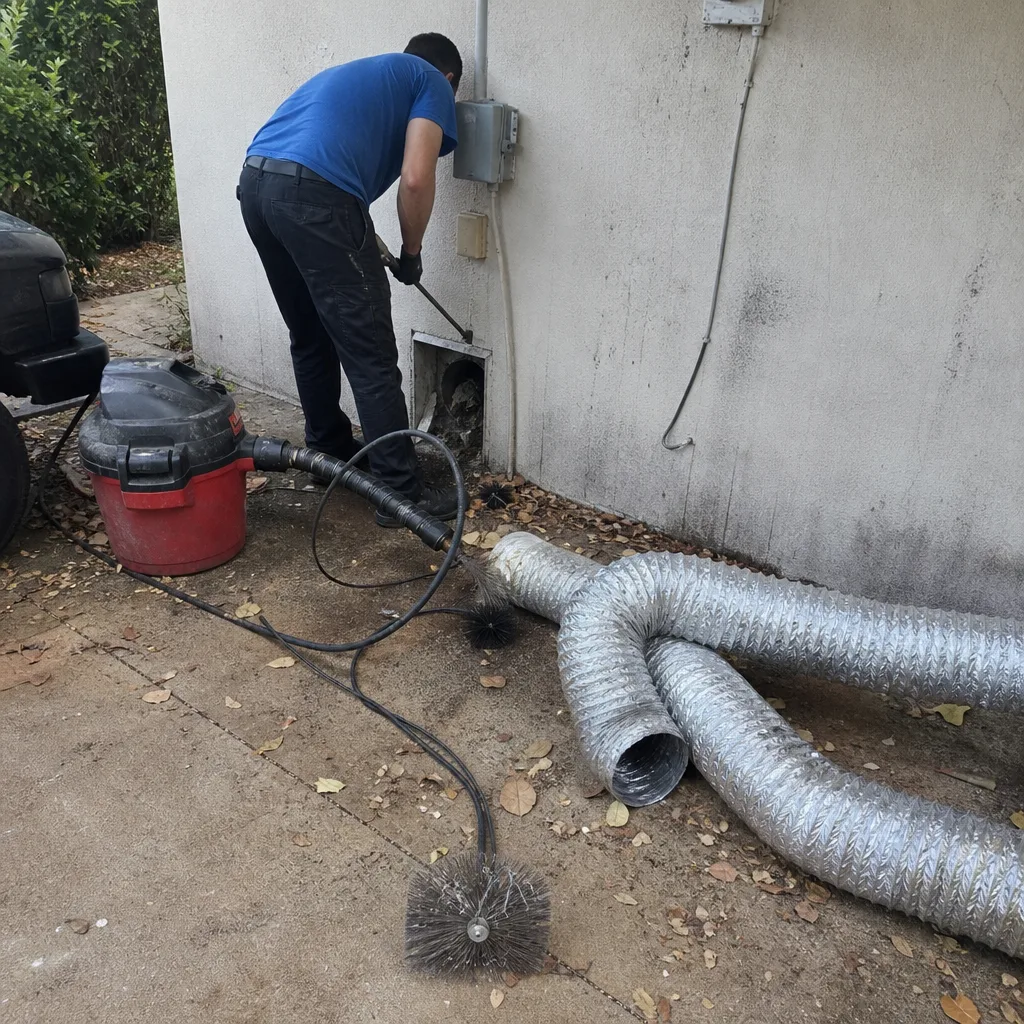 Before
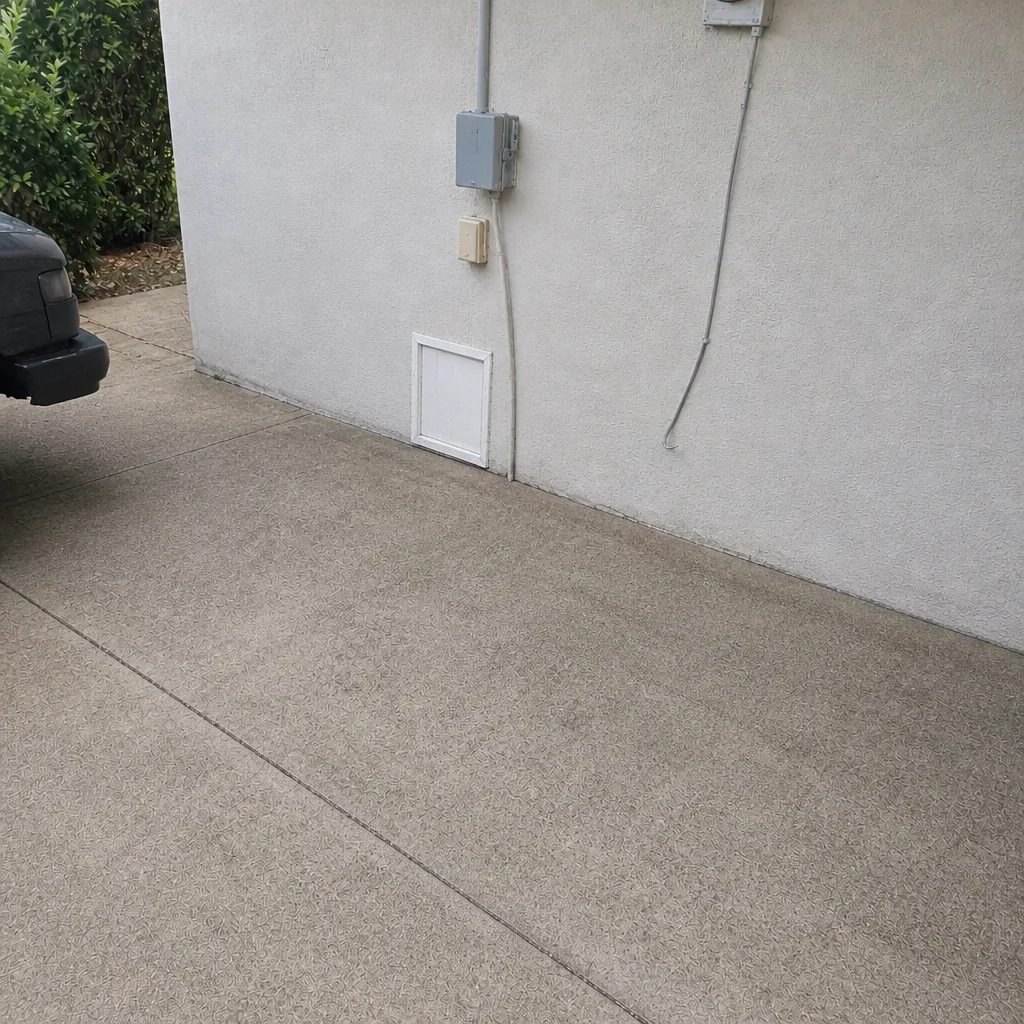 After
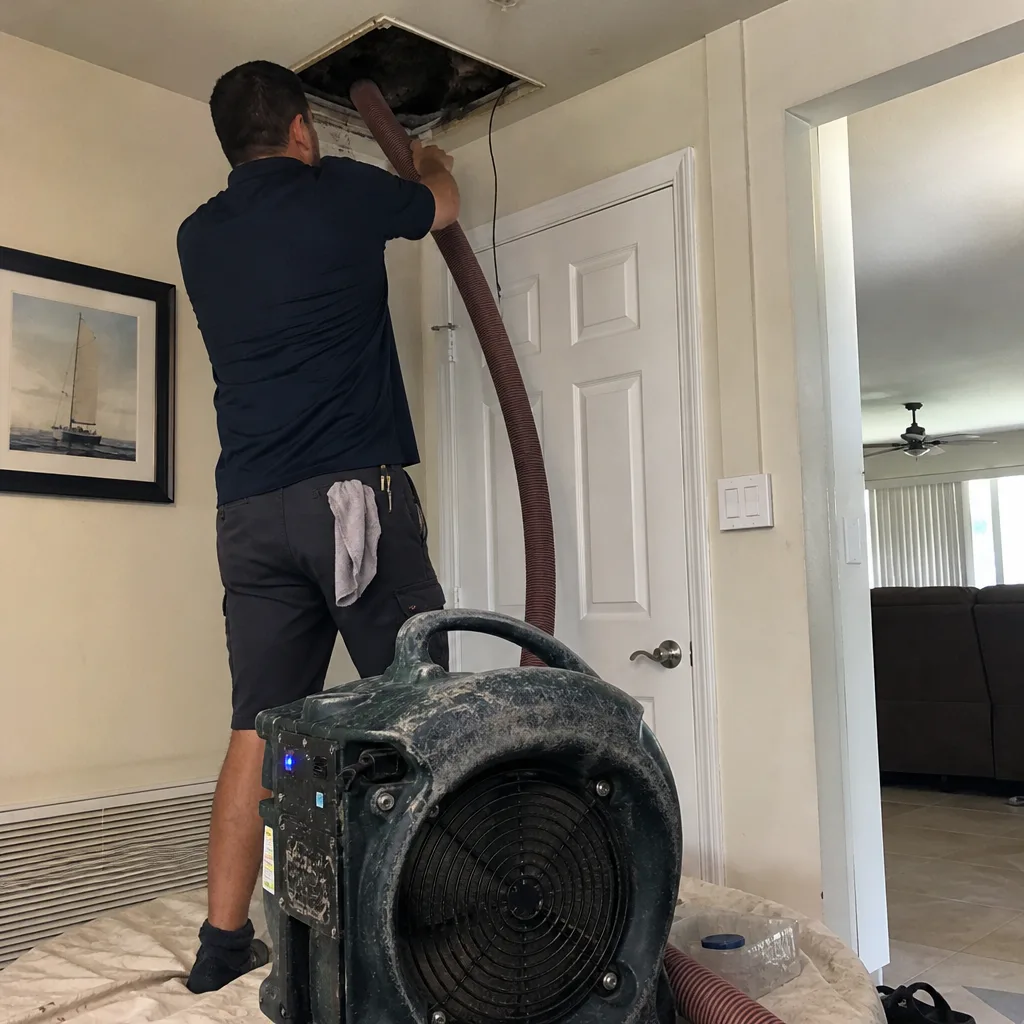 Before
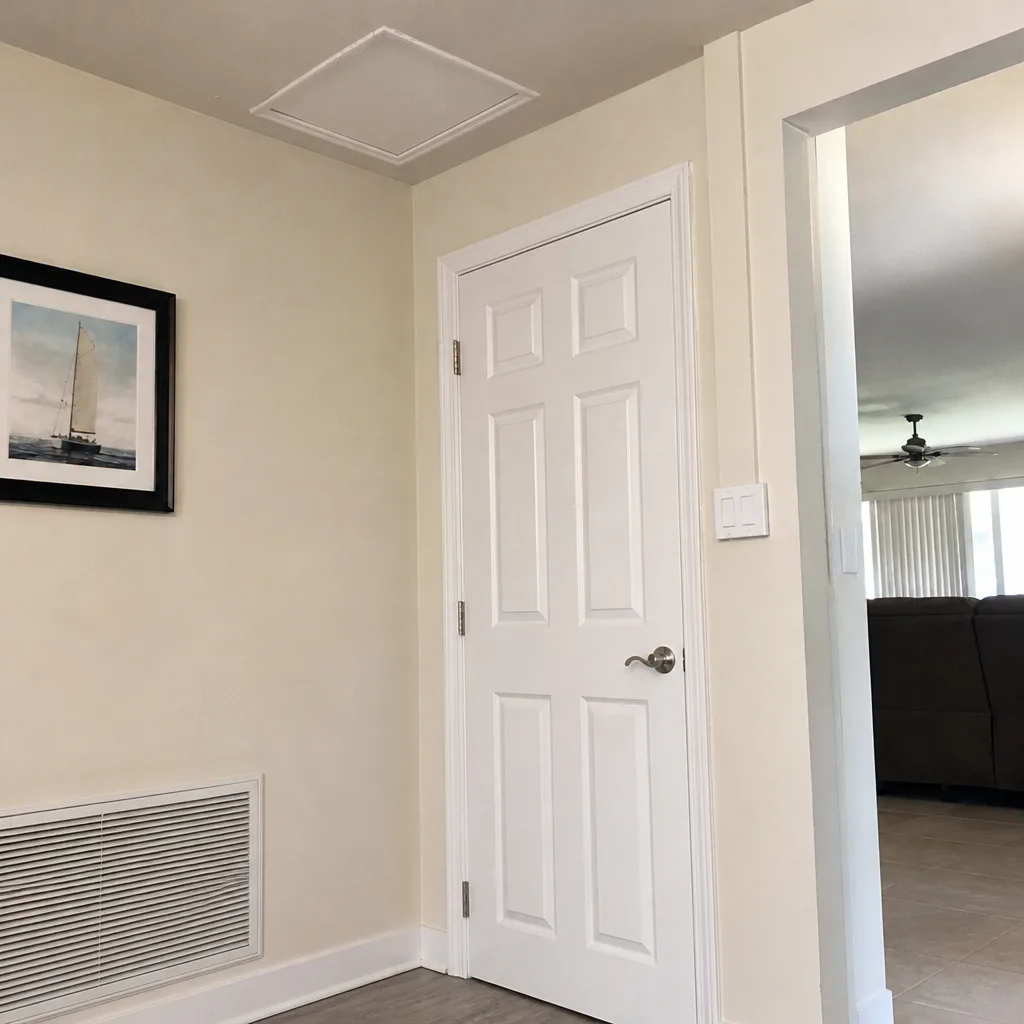 After
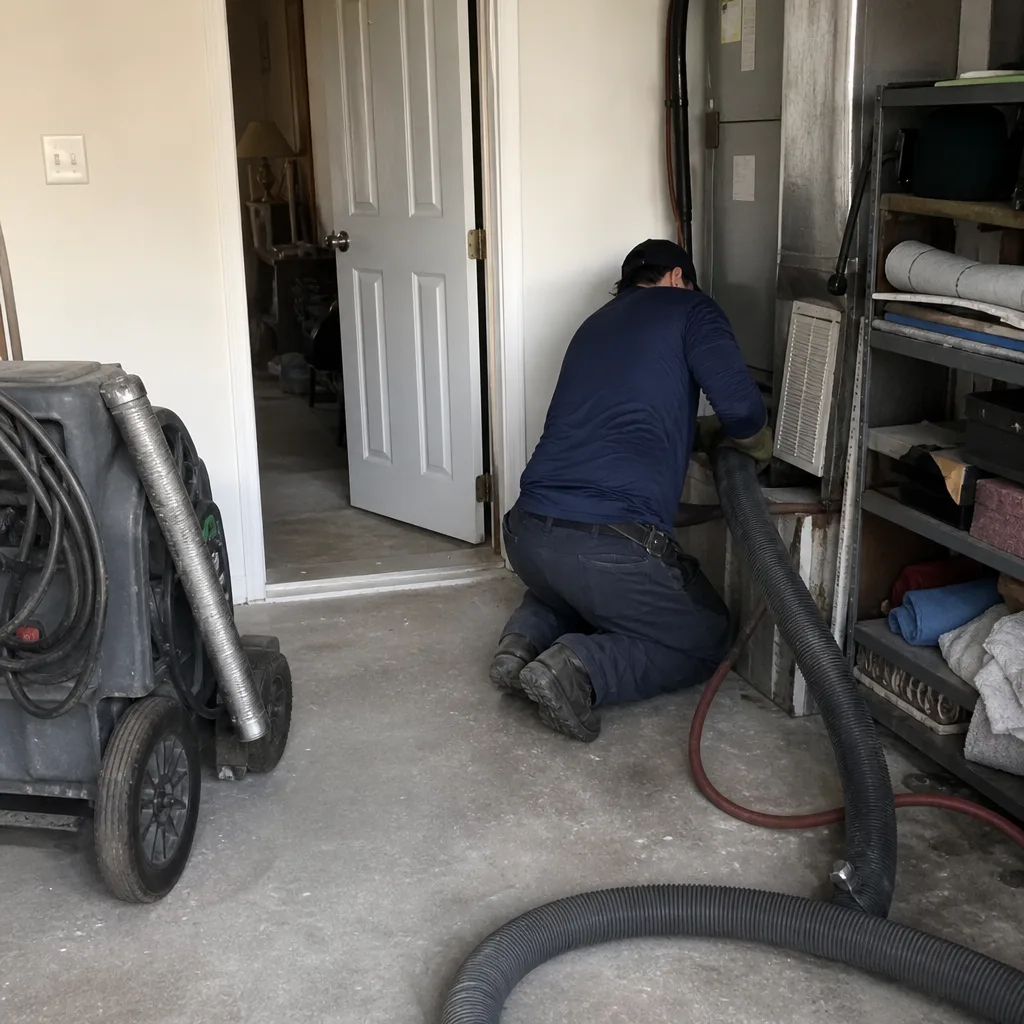 Before
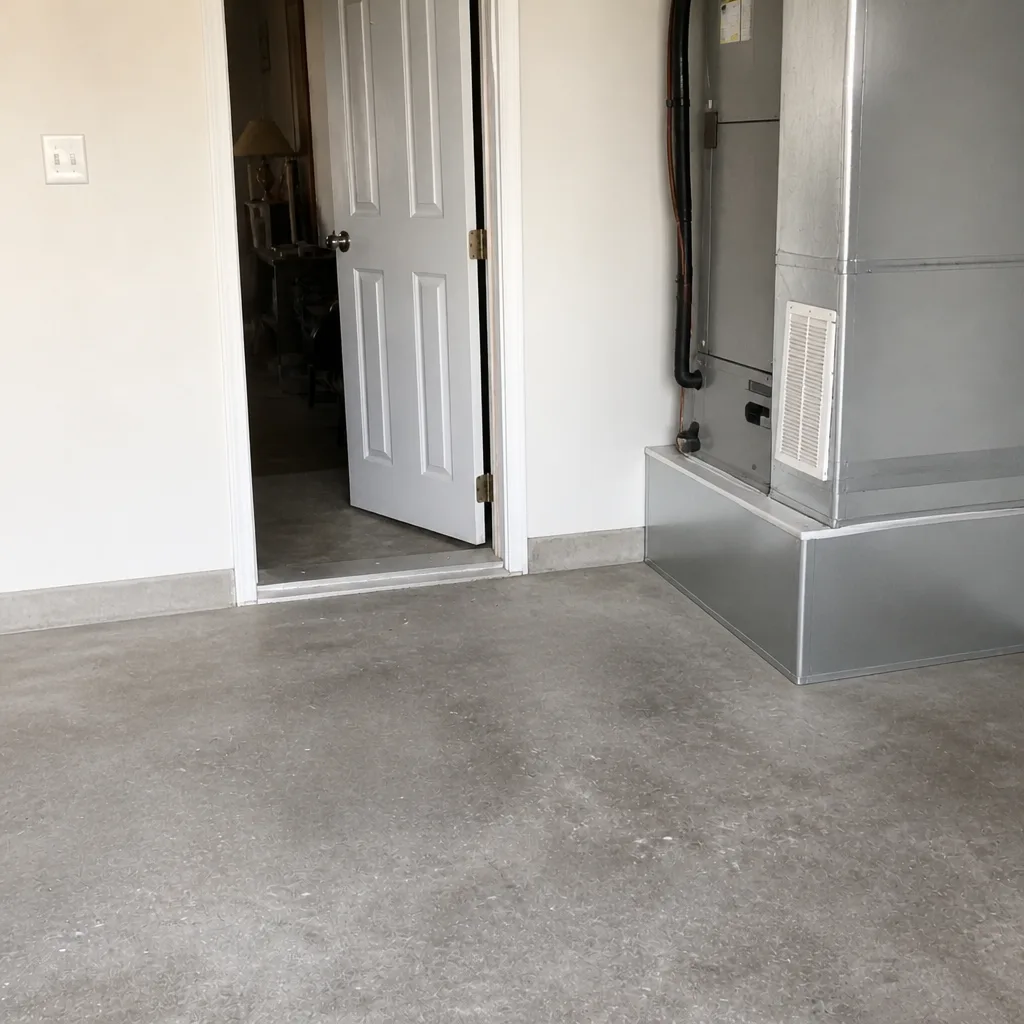 After
When to Call a Professional
Some situations justify a call rather than a wait. If you’ve had a renovation and never booked a post-project cleaning, that’s a clear one. If your filter loading rate has jumped noticeably in a short window and you can’t account for it, a professional look will find the source faster than months of filter changes will. If the system smells musty on startup, or if you can see debris inside a return trunk or find visible dust around a register within days of cleaning it off, those deserve a real inspection. If you’ve moved into a newer home and aren’t sure whether the ducts were cleaned after construction, that’s worth confirming. And if your dryer is taking longer to dry clothes while the vent flap barely opens, don’t put it off. Duct Cleaning Cape Coral offers free estimates in Cape Coral – call (877) 384-7616. We answer 24/7, and fast dispatch runs 7am to 7pm, Sunday through Friday.
Frequently Asked Questions
Most Florida homes should plan on professional cleaning every two to three years, tighter than the national three-to-five year guidance. The reason is year-round air conditioning: a system running ten to eleven months a year moves far more air through the ducts than a seasonal system, and the particulate load builds proportionally. Homes with pets, recent renovations, or occupants with respiratory conditions should target the shorter end of that range. Call (877) 384-7616 for a free estimate on your home’s specific situation.
Duct cleaning is a genuine service when it’s done with proper equipment and with the right timing, but the industry’s reputation problem is real. The way to tell the difference is to ask what equipment will be used and whether containment is part of the process. Negative-pressure HEPA extraction and rotary brush agitation are the standard. A shop vac and a promise isn’t. A legitimate provider will show you before-and-after photos of your own ducts, not stock images. Call (877) 384-7616 and ask directly – a straight answer is the first test.
Watch filter loading rate, visible register dust, energy bills, and any new odor on startup. If two or more of those are trending the wrong way, it’s time for an assessment regardless of what year it is on the calendar. The calendar is a backstop, not the primary signal. Call (877) 384-7616 to talk through what you’re seeing – estimates are free.
Cheap quotes usually correspond to cheap equipment and less time on the job. A rotary brush and HEPA extraction setup requires real investment and takes real time to run properly through a full system. A shop vac and an hour of work can be priced accordingly. What you get for the difference is the difference between debris being removed from the system and debris being loosened into it. We quote on the whole system, so the estimate reflects the actual scope. Call (877) 384-7616 for a written estimate.
Book an inspection and cleaning within the first year, not after the standard two-to-three year interval. Ductwork installed during construction sits open through framing, drywall, and finish work, and construction debris – drywall dust, wood fragments, insulation fibers – settles inside before the home is ever occupied. A first cleaning catches it early and gives you a baseline for the schedule going forward. Call (877) 384-7616 to get it scheduled.
Yes, and the reason is fire risk rather than indoor air quality. Lint accumulates in the vent line independent of what’s happening in the HVAC ducts, and restricted airflow at the vent is a known fire hazard. Most homes should plan on annual dryer vent cleaning, and twice a year if the line is long or has multiple elbows. If your dryer is taking longer to dry clothes, book it sooner. Call (877) 384-7616 – estimates are free.
The Bottom Line
The national three-to-five year duct cleaning interval doesn’t fit a Cape Coral home. Year-round AC operation, slab-on-grade construction with attic duct runs, and seasonal humidity shifts all make ductwork here accumulate particulate and stress faster than the generic guidance assumes. A workable schedule is two to three years for most homes, tighter for pets, renovations, and respiratory concerns, and earlier for new construction. Filter changes stay on a one-to-three month cycle with a priority check in April and a post-storm inspection in November. Track indicators, not just the calendar, and treat the dryer vent as its own annual safety item. That’s the schedule that keeps the hidden infrastructure inside your walls working the way it should. For a free estimate, call Duct Cleaning Cape Coral at (877) 384-7616. We answer 24/7, with fast dispatch from 7am to 7pm, Sunday through Friday, and we serve homes and commercial properties throughout Cape Coral.
Written by the team at Duct Cleaning Cape Coral.