
Last updated November 15, 2026
 Whole-home duct cleaning
 Dryer vent cleaning
 Camera inspection
 Sanitizing & deodorizing
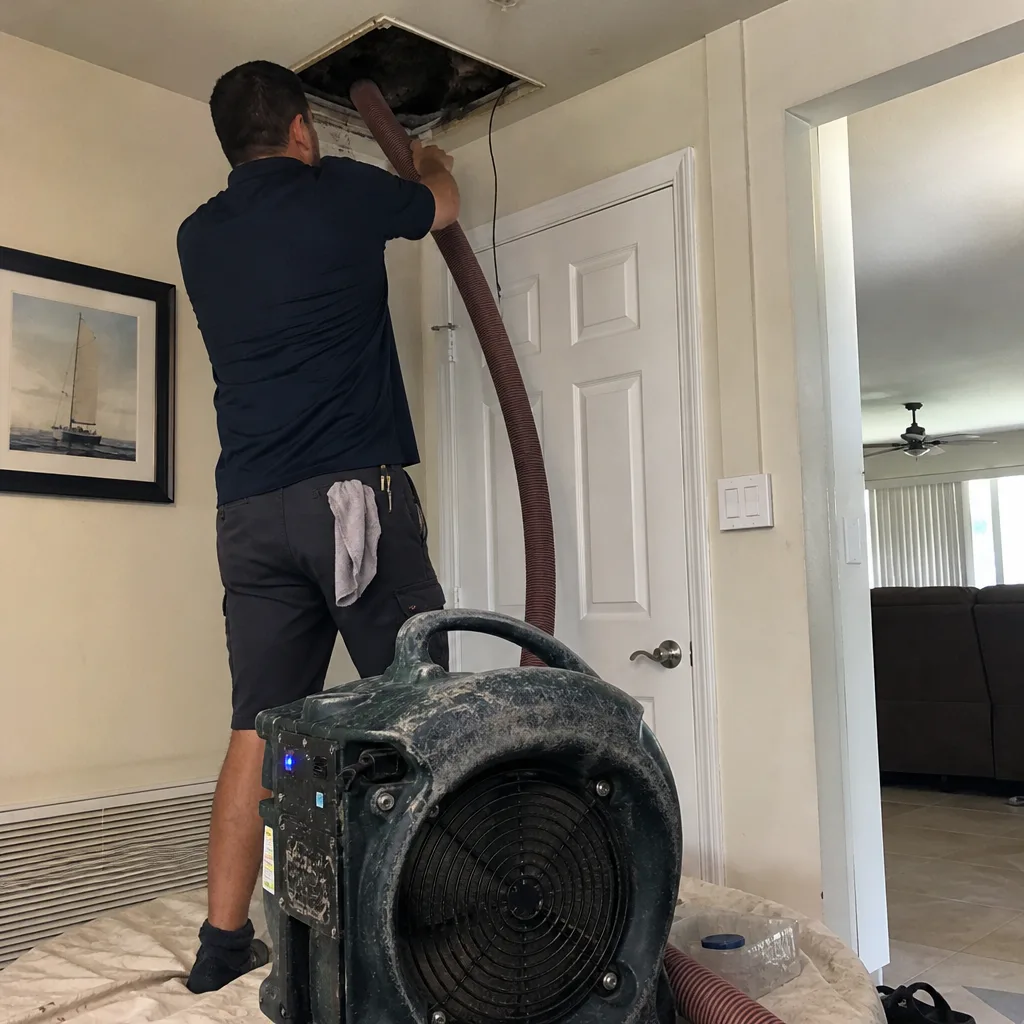
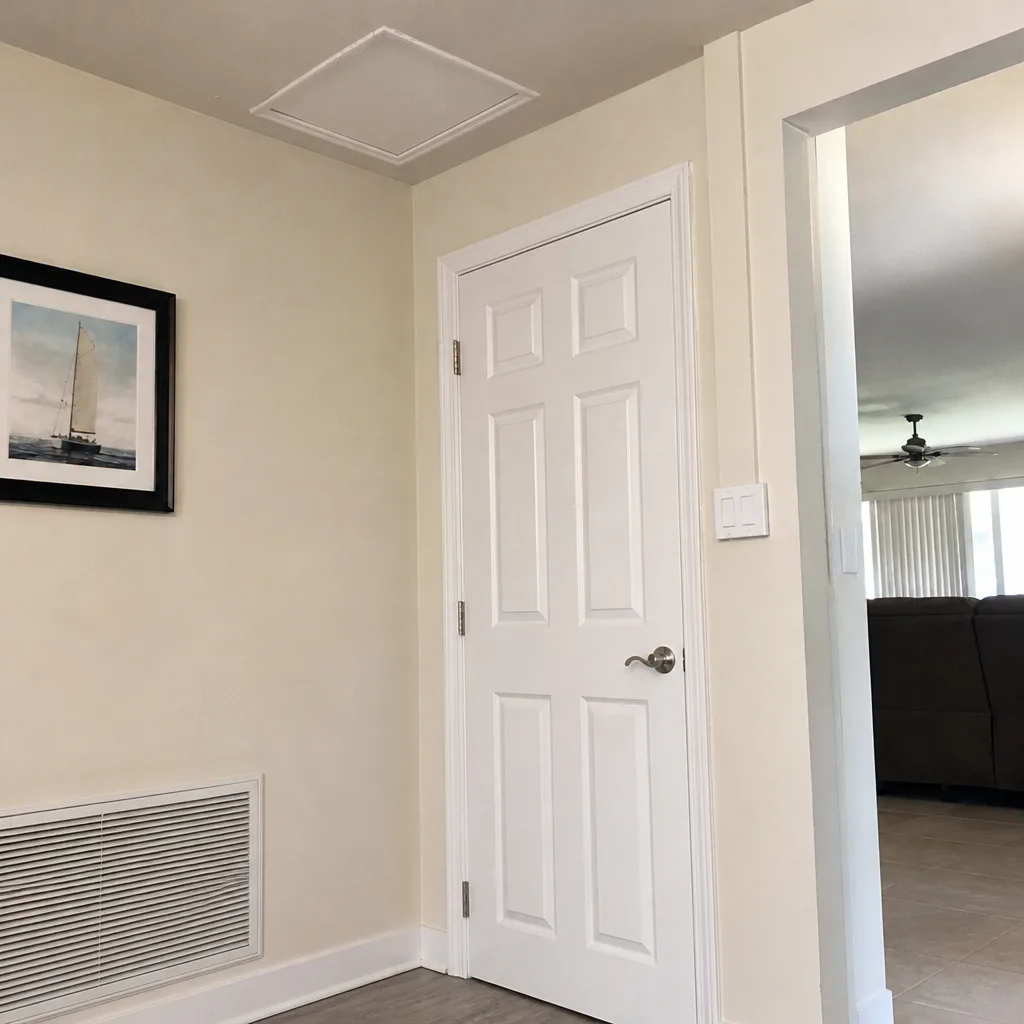
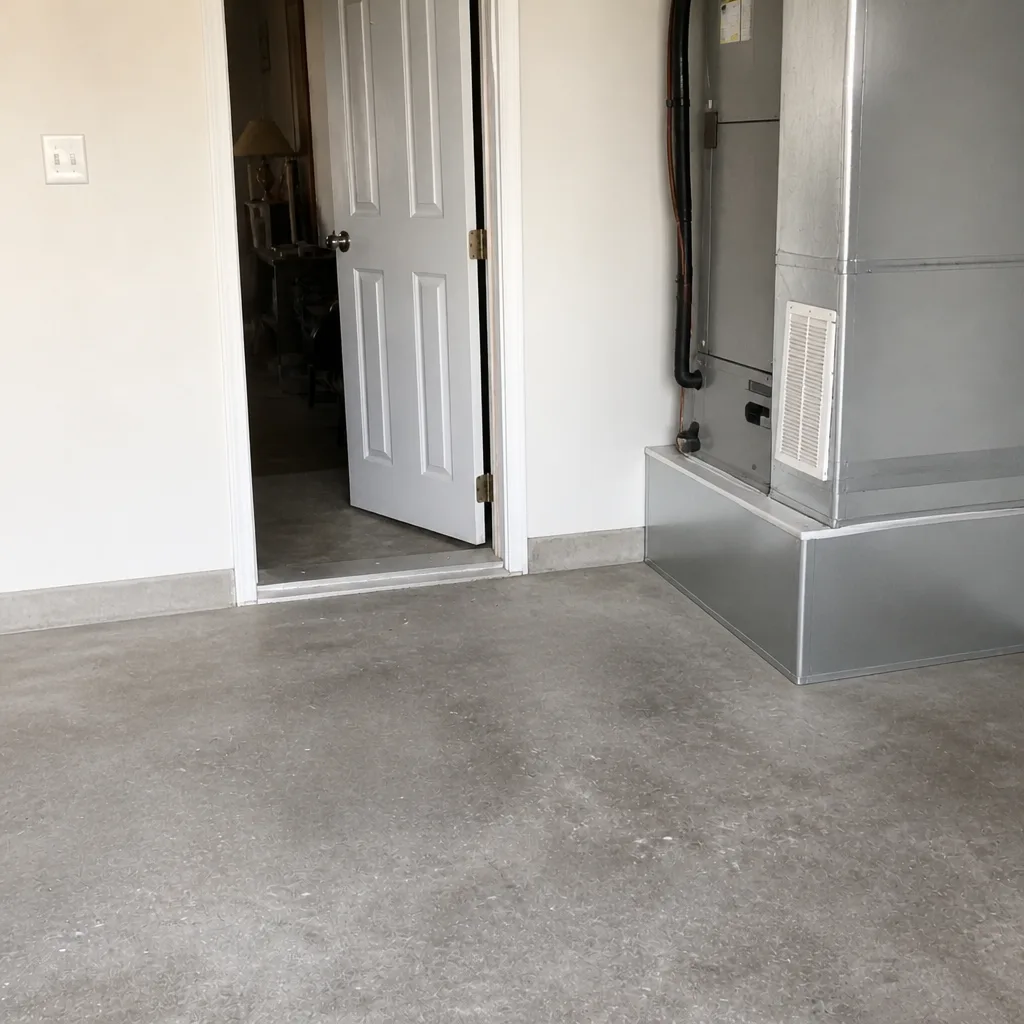
Whole-system duct and dryer vent check with before-and-after photos - you see exactly what came out of your vents
That "$99 whole-house special" is a bait ad - the real number appears once they are in your hallway, or the "clean" is a shop-vac at the register. We photograph the inside of your ducts before and after instead.
Air Duct Cleaning Warning Signs: A Cape Coral Homeowner’s Reference Guide
Most warning-sign articles point you toward the obvious stuff: a thick coat of dust on the vent grille, a smell that never leaves the hallway. In our experience across Cape Coral homes, the useful signals are quieter than that. A musty odor that shows up only in the first ten minutes after the AC kicks on, then fades, tells you more about what’s growing inside flex duct liner than a persistent smell ever will. So does one room that never quite cools while the rest of the house is fine. This guide walks through the subtle, climate-specific indicators we look for, why they matter in Cape Coral’s open floor plans, and how to tell a real duct problem from ordinary house dust.
Quick Answer
The most reliable air duct cleaning warning signs in Cape Coral are a musty odor in the first minutes after the AC starts, uneven cooling between rooms, allergy symptoms that worsen during the dry season when windows stay closed, discoloration around supply registers, and a slow creeping rise in your energy bill without any other explanation. Any one of these alone means it’s worth an inspection. Two or more together almost always point to contamination or leakage inside the duct system.
Styles & brands we work with
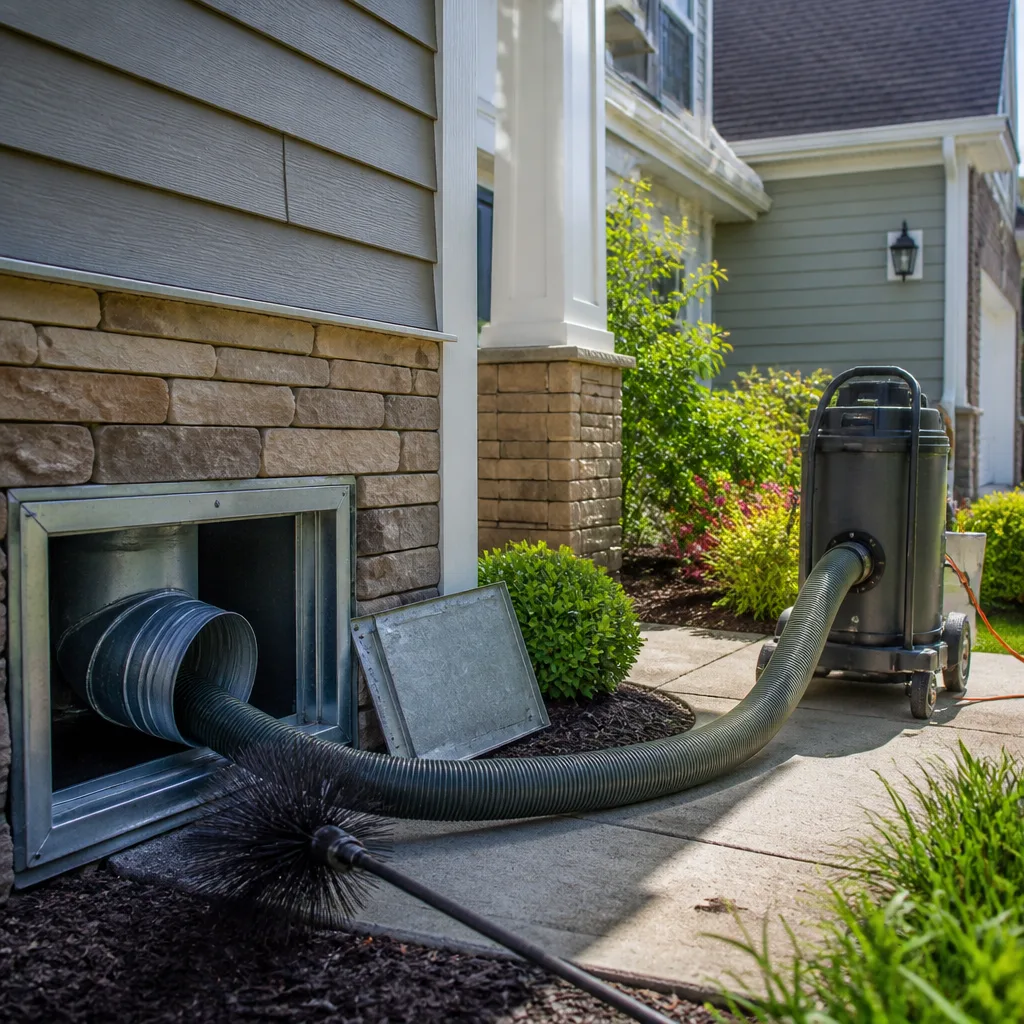
- Whole-home duct cleaning
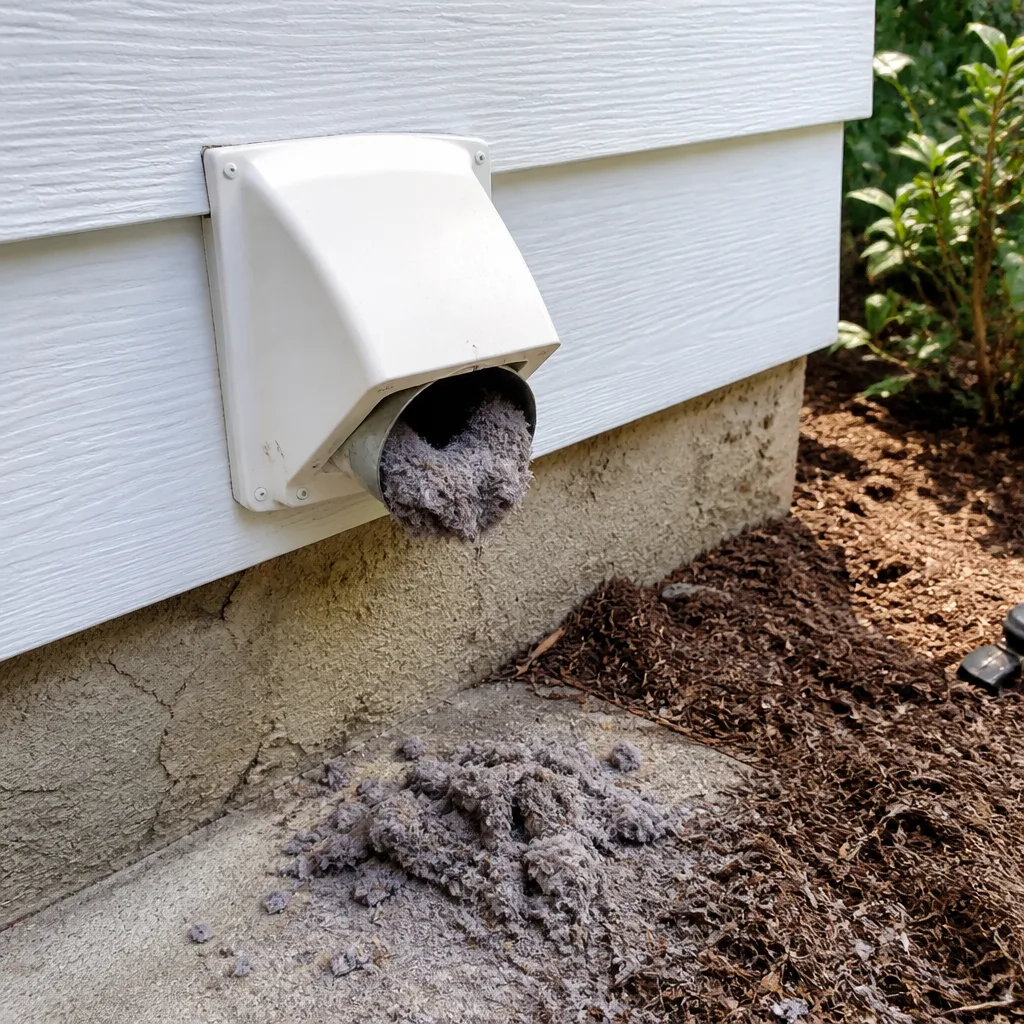
- Dryer vent cleaning
- Camera inspection
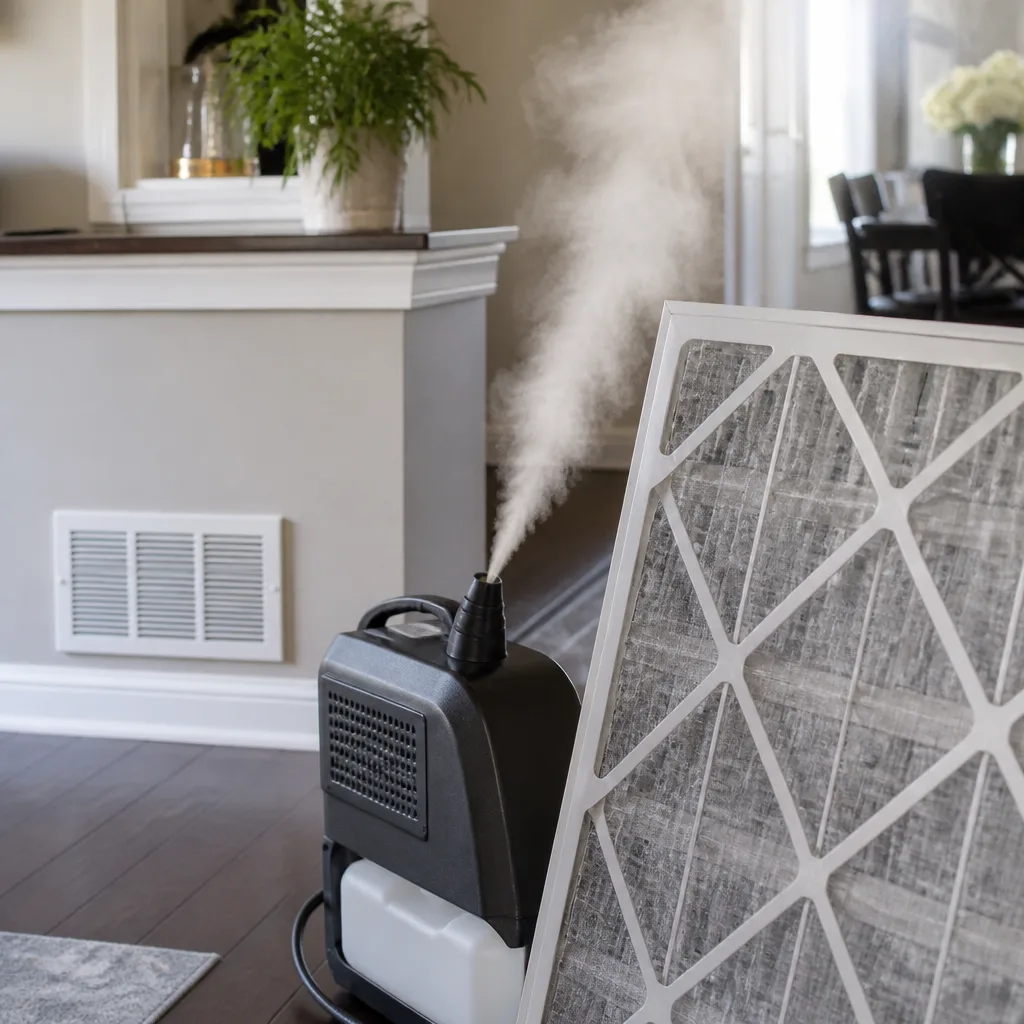
- Sanitizing & deodorizing
Table of Contents
- The Cold Start Odor: Why That Brief Musty Smell Matters Most
- Uneven Room Cooling and the Trunk-to-Branch Problem
- Allergy Symptoms That Worsen During Cape Coral’s Dry Season
- Reading Discoloration Around Supply Registers
- Energy Bill Creep: Calculating Your Efficiency Baseline
- The Visual Checklist: What to Look For Without Opening Anything
- Humidity, Closed Windows, and Recirculating Particulate
- Common Mistakes to Avoid
The Cold Start Odor: Why That Brief Musty Smell Matters Most
A musty smell that appears in the first few minutes after the air handler starts, then fades, is one of the most diagnostic signs you’ll ever get from a duct system. We hear homeowners in Cape Coral describe it as something they “just got used to.” That’s exactly why it’s easy to dismiss and worth paying attention to.
Here’s what’s happening. When the system sits idle, air inside the ductwork is still and humid. The interior of flex duct liner, especially the polyester-wrapped kind common in Florida construction, is a porous surface. Tiny amounts of moisture settle there and stay. When the blower kicks on, it pushes that first pocket of stale, humid air out through the registers. That’s the smell. Once fresh air cycles through, the odor fades because the concentration drops.
A persistent smell, by contrast, usually points to something farther downstream or a source outside the ducts entirely. The cold-start pattern is different: it tells you the contamination is coated on the duct interior itself, close to the supply side, and it’s being disturbed by airflow every time the system starts.
What the cold start odor usually indicates:
- Microbial growth on the interior liner of flex duct, typically near the air handler or in the first run of supply trunk
- Condensation that isn’t draining properly, leaving a damp film inside the duct
- Dust that has bonded with moisture and now supports biological activity
- A clogged or incorrectly pitched drain pan, causing localized humidity spikes
- Return duct contamination pulling odor from a crawlspace or mechanical closet back into the living space
If the smell goes away in ten minutes, the duct is still the problem. It’s just telling you it’s dirty in a specific spot, not everywhere. That distinction matters because it changes how the cleaning job is scoped: a targeted mechanical brush run through the affected branches using a rotary system like Rotobrush does more than a general vacuum pass would. Our technicians have up to 8 years of experience reading these patterns, and the cold-start smell is the one signal we trust above almost any other.
For more on how we approach the full service, see air duct cleaning.
Uneven Room Cooling and the Trunk-to-Branch Problem
One room that never quite reaches the set temperature while the rest of the house is fine is a duct warning sign, not just an HVAC quirk. In Cape Coral’s open floor plans, this shows up in predictable ways: the master bedroom at the end of a long run feels warm, the guest room near the front feels cold, and the kitchen is always the last space to get comfortable.
The issue is usually debris accumulation at the trunk-to-branch transitions. A duct system is a tree: a main trunk leaves the air handler, and branches split off to serve individual rooms. At each split, airflow slows slightly, and particles have a chance to settle. Over time, dust and lint build up at these junctions, narrowing the effective diameter of the branch. The rooms at the far end of the longest runs feel it first.
Here’s how to test for it:
- Close every supply register except one in the suspect room. If airflow improves noticeably, the issue is upstream pressure loss, not the register itself.
- Run the system for 20 minutes with all doors open, then check whether the airflow at the suspect register is weaker by feel than a register nearer the air handler.
- Use a strip of lightweight paper or tissue held at the register face to compare pull strength across rooms. A thin flow at one register and strong flow at another is a branch-restriction signature.
- Check whether the flex duct behind the register has collapsed or kinked. Sharp bends in flex duct are a common cause of restricted flow and are sometimes more of a problem than the dust itself.
That last point matters. Sometimes the warning sign isn’t dirt, it’s structural. Flex duct that’s been crushed, disconnected at a collar, or routed through a tight turn restricts airflow before debris ever accumulates. Cleaning that duct without repairing the leak or kink does nothing useful. Our service line includes air duct repair for exactly this reason: we don’t just vacuum around a structural problem. The same logic applies to a home you’re maintaining on the Cape Coral side of the river, where attic runs are typically longer and hotter than the interior duct runs seen in older construction.
Any single room that stays two degrees or more off from the rest of the house is worth investigating. If the gap appears gradually over months, duct restriction is a strong candidate. If it appeared overnight, call an HVAC technician first and a duct specialist second.
Allergy Symptoms That Worsen During Cape Coral’s Dry Season
If allergy symptoms get worse during the dry season, when windows stay closed and the AC runs more, the cause is likely recirculating particulate inside the duct system. Closed windows mean the system is filtering and re-filtering the same air, so any particulate that has settled in the ductwork gets stirred up and returned to the living space repeatedly.
The pattern we hear about from Cape Coral homeowners: symptoms are manageable in the shoulder seasons when doors and windows are open, then climb in the dry months when the house is sealed. That’s the tell. It’s not the outdoor pollen count driving it. It’s the indoor air being re-handled by a dirty system.
Symptoms that point toward duct-based particulate:
- Morning congestion that improves within an hour of leaving the house
- Sneezing triggered specifically when the AC starts, not throughout the day
- Dust settling on hard surfaces faster in some rooms than others
- Eye irritation that returns when you sit under a particular supply register
- Worsening symptoms in bedrooms served by the longest duct runs
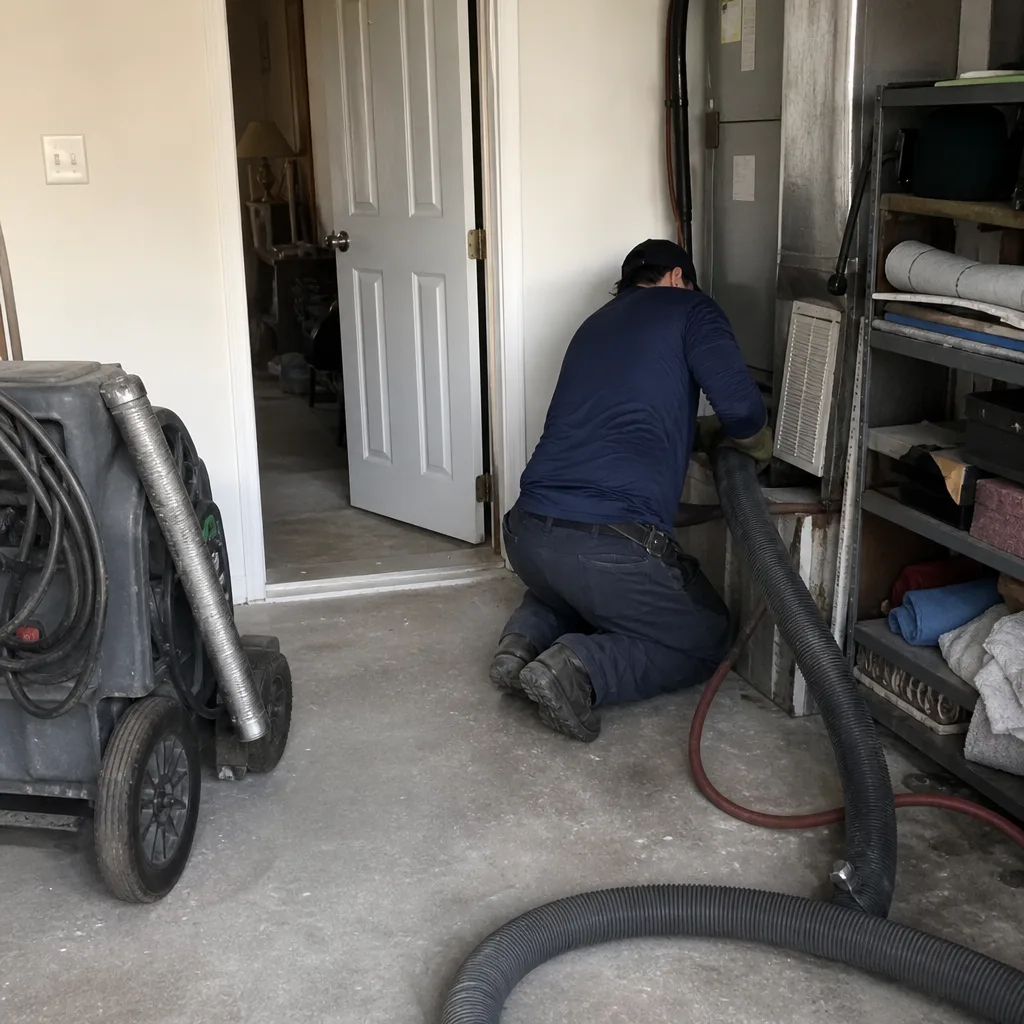
The fix isn’t a filter upgrade alone. A high-efficiency filter catches particles in the airstream, but if the duct interior is already coated with settled particulate, the blower keeps re-suspending it. Proper cleaning removes the source. We use Nikro negative-pressure and HEPA-extraction equipment for this exact reason: the same standard used in professional remediation, where containment of dislodged particulate is the whole point of the tooling. Without negative pressure, cleaning a duct system in a closed house can increase airborne particulate during the job.
Air filtration devices from Abatement Technologies are also part of the containment setup for jobs where particulate control matters most. If you’ve read about whole-home air quality and wondered whether filtration is the answer, see our guide on dryer vent cleaning for the related safety concern that runs parallel to duct cleanliness.
Reading Discoloration Around Supply Registers
Discoloration around a supply register is a diagnostic clue, not just a cosmetic issue. The color and pattern tell you what kind of contamination you’re dealing with, which shapes the cleaning approach. We’ve walked Cape Coral homes where the visible signs told us what the duct interior looked like before the cover came off.
Here’s how to read the common patterns:
- Even gray-brown dust: ordinary household dust and lint, typically from insufficient filtration or a rarely cleaned return grille. The least alarming pattern and the most responsive to cleaning.
- Black streaking radiating from the register edge: this is the classic “soot” pattern, but in homes without combustion sources it more often indicates moisture-darkened dust, or in some cases, microbial growth running along the edges where condensation sits.
- Yellow or rust-colored stains: moisture-based staining, usually from condensation dripping or a small leak near the register boot. Worth investigating before cleaning, because cleaning a wet duct without fixing the moisture source is temporary.
- Fiberglass speckling or white flecks: interior duct liner breaking down and blowing through the register. This is a material failure, not a cleaning issue, and typically calls for duct liner repair or replacement rather than vacuuming.
- Uniform darkening of the wall directly above a high-side register: airflow-driven deposition, common in high-ceiling rooms where the register blows along a wall. Cosmetic, but a useful reminder that the duct is depositing particulate on surfaces it contacts.
In Cape Coral homes, the most common pattern we see is the yellow-brown stain around the register boot, which points to condensation collecting where the boot meets the ceiling drywall. That’s not just a cleaning issue: it’s a moisture-handling issue higher up the system. Any duct service that ignores the boot is only addressing half the picture.
What Discoloration Does Not Tell You
A clean-looking register doesn’t mean clean ducts. The register boot is a short section, often just 12 to 18 inches of duct end. The interior of the run feeding that register can be coated even when the boot looks fine. The inverse is also true: a dirty register doesn’t always mean the whole system is dirty. That’s why visual inspection of one register is only a starting point.
Energy Bill Creep: Calculating Your Efficiency Baseline
A slow, unexplained rise in your energy bill is one of the most underused duct warning signs. Contamination buildup restricts airflow, the blower works harder to push the same volume, and the system runs longer to reach the set temperature. The result is a creeping bill that’s easy to attribute to rate changes or weather.
You can separate the signal from the noise by building a baseline. Here’s how:
- Pull the last 12 months of electric bills and note the kWh used per billing cycle, not the dollar amount. Rate changes distort the dollar figure but not the consumption.
- Group months into matching pairs by billing period, then compare year-over-year for the same month. A Cape Coral summer month against the same summer month the year before controls for seasonal load.
- Set aside the two coldest and two hottest months in each year to reduce extreme-weather noise. Focus on the shoulder months where weather variation is smallest.
- Calculate the percentage change per pair. A consistent year-over-year increase above your regional average rate increase, sustained for four or more billing cycles, is a pattern worth explaining.
- Rule out filter neglect, thermostat drift, and a failing capacitor before assuming duct restrictions. Those are cheaper fixes that mimic duct symptoms.
If the pattern holds after those checks, airflow restriction from duct contamination becomes a strong candidate. A poorly sealed or disconnected duct can also depressurize the house and pull hot attic air into the airstream, which shows up as both higher bills and rooms that feel stuffy. That’s a duct repair issue, not just a cleaning issue.
For homes in Duct Cleaning Cape Coral service areas, an inspection covers both the cleanliness of the duct interior and the integrity of the runs. Cleaning without repair in a case of a disconnected run just redistributes the problem. That’s why our job scoping always starts with a walk of the system.
The Visual Checklist: What to Look For Without Opening Anything
You can gather most of the information you need for a first assessment without removing a single register. The following checklist covers the highest-value visual signals and takes about ten minutes.
- Look at every supply register face for discoloration, streaking, or flaking. Note the color and pattern.
- Look at the return grille. Heavy dust on the return is a filtration signal, not necessarily a duct signal, but it tells you the filter isn’t catching what it should.
- Shine a light into the first inch of the register boot where accessible. Visible dust accumulation on the metal boot edges is normal. Visible fuzz, dark patches, or moisture are not.
- Check that every register in the HVAC closet, hallway, and mechanical room is secure and sealed against the drywall. A visible gap is an air leak, not just an efficiency concern.
- Look at the ceiling above high-side registers for staining or peeling paint.
- Smell the air at multiple registers within the first two minutes of the system starting. The cold-start odor pattern is easiest to catch with the nose close to the register at startup.
- Listen at the air handler closet for rattling or whistling that changes with load. This can indicate loose duct connections.
If you’re a property manager overseeing multiple units in Cape Coral, this checklist is worth running quarterly. The energy bill creep pattern in particular is easy to miss when you’re not living in the unit, and it’s the kind of signal that shows up in a maintenance budget before it shows up in a tenant complaint.
Humidity, Closed Windows, and Recirculating Particulate
Cape Coral’s climate keeps houses closed for much of the year, and that’s the condition under which duct problems show up fastest. When windows are shut and the system is cycling continuously, whatever is in the ducts is what everyone in the house is breathing. This is why the allergy pattern and the cold-start odor pattern tend to appear during the same stretch of the year.
Three dynamics matter most:
- Recirculation: with windows closed, the system is a closed loop. Particulate that leaves a register returns through the return and goes back out. There’s no dilution from outside air.
- Humidity retention: closed homes hold moisture from cooking, showers, and occupancy. Duct interiors, especially flex liner, pick up moisture that never fully dries when the system is idle.
- Filter loading: the filter catches what reaches it. If contamination has already settled inside the ducts upstream of the filter, the filter can’t do anything about it. Cleaning removes what the filter can’t.
One point that gets overlooked: the filter location matters. Return-side filtration protects the air handler and blower but does not protect the supply ducts downstream. Supply-side contamination has to be cleaned, not filtered.
Dryer Vent: A Parallel Warning Sign
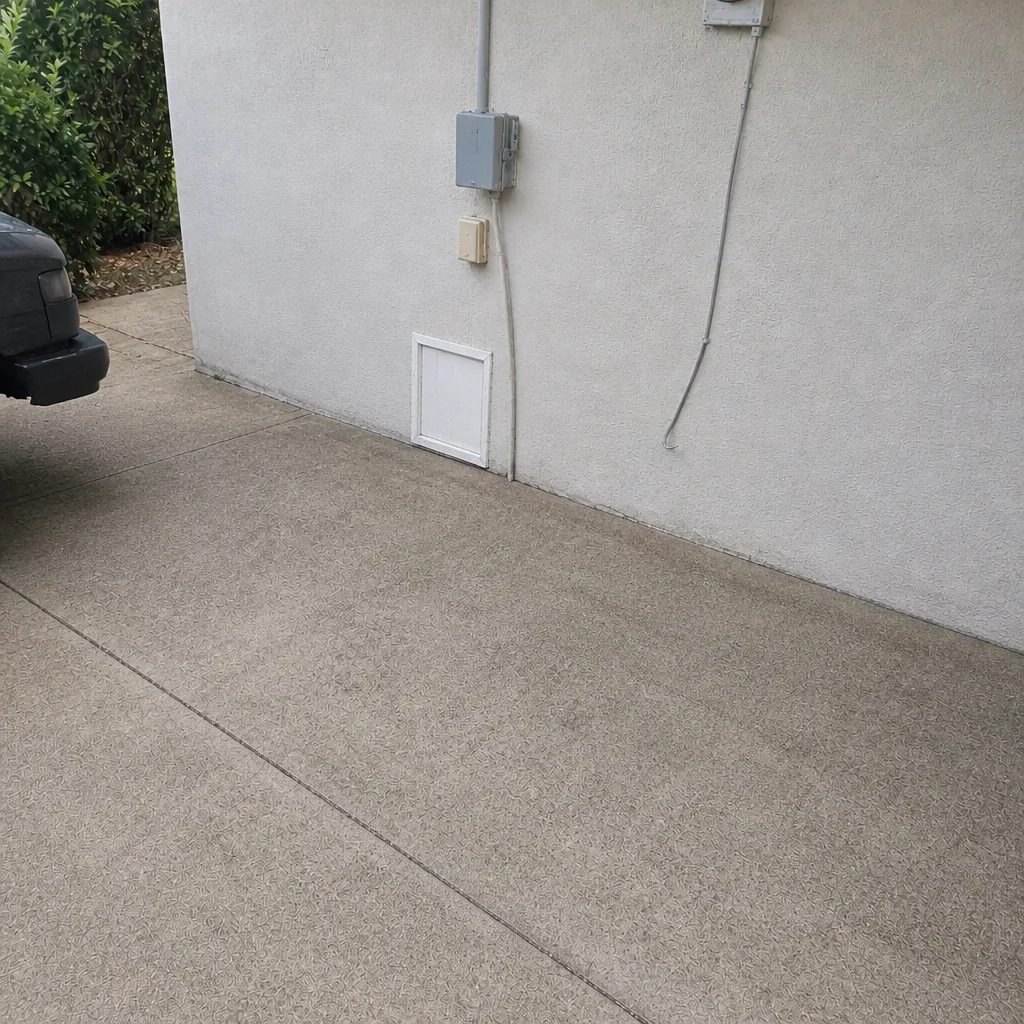
While you’re evaluating duct cleanliness, the dryer vent deserves its own check. A clogged dryer vent is a fire-safety issue, not a cleaning preference, and the warning signs overlap with duct signs in ways many homeowners don’t notice: longer dry times, a hot dryer top, lint visible at the exterior vent, and a musty smell in the laundry room.
Our dryer vent cleaning service treats this as a standalone safety job. A lint-packed dryer vent restricts airflow the same way a dirty supply duct does, and the result is overheating behind the dryer, not just damp clothes. If you’re already scheduling a duct inspection, add the dryer vent to the same visit to save time.
Common Mistakes to Avoid
- Judging the whole system by one register. A clean-looking register boot says nothing about the run feeding it. The interior of the branch, not the boot, is where contamination lives.
- Associating the musty smell with “old house” and moving on. In Cape Coral’s climate, the musty smell is more often a moisture signal inside the duct liner than a general age signal. If the smell is time-locked to system startup, that’s data.
- Upgrading the filter and expecting the duct to get cleaner. A higher-MERV filter catches finer particles at the filter face, but the dust settled inside the ducts upstream of the filter stays put. Filtration and cleaning solve different problems.
- Letting the low bid run the job with a shop vac and a hose. A shop vac setup doesn’t generate the negative pressure needed to dislodge bonded contamination. It can also re-suspend particulate into the living space instead of containing it. Professional-grade equipment matters here more than in most trades.
- Cleaning without repairing obvious leaks. A disconnected or crushed duct run lets attic air into the supply stream. Cleaning the duct interior while leaving the leak in place is money spent on a symptom.
- Ignoring the energy bill pattern because rates changed. Compare in kWh year-over-year, not in dollars. Rate changes and duct-driven consumption changes look similar in the dollar figure and completely different in the kWh figure.
- Skipping the dryer vent while you’re in the mechanical mindset. Dryer vents are the single most overlooked fire-safety component in a typical Cape Coral home. If you’re evaluating duct cleanliness, evaluate dryer vent airflow at the same time.
- Assuming the cold-start smell is “just the AC.” That’s a persistent assumption we hear from Cape Coral homeowners, and it’s the one most worth questioning. A short-lived smell at startup is a diagnostic pattern, not background noise.
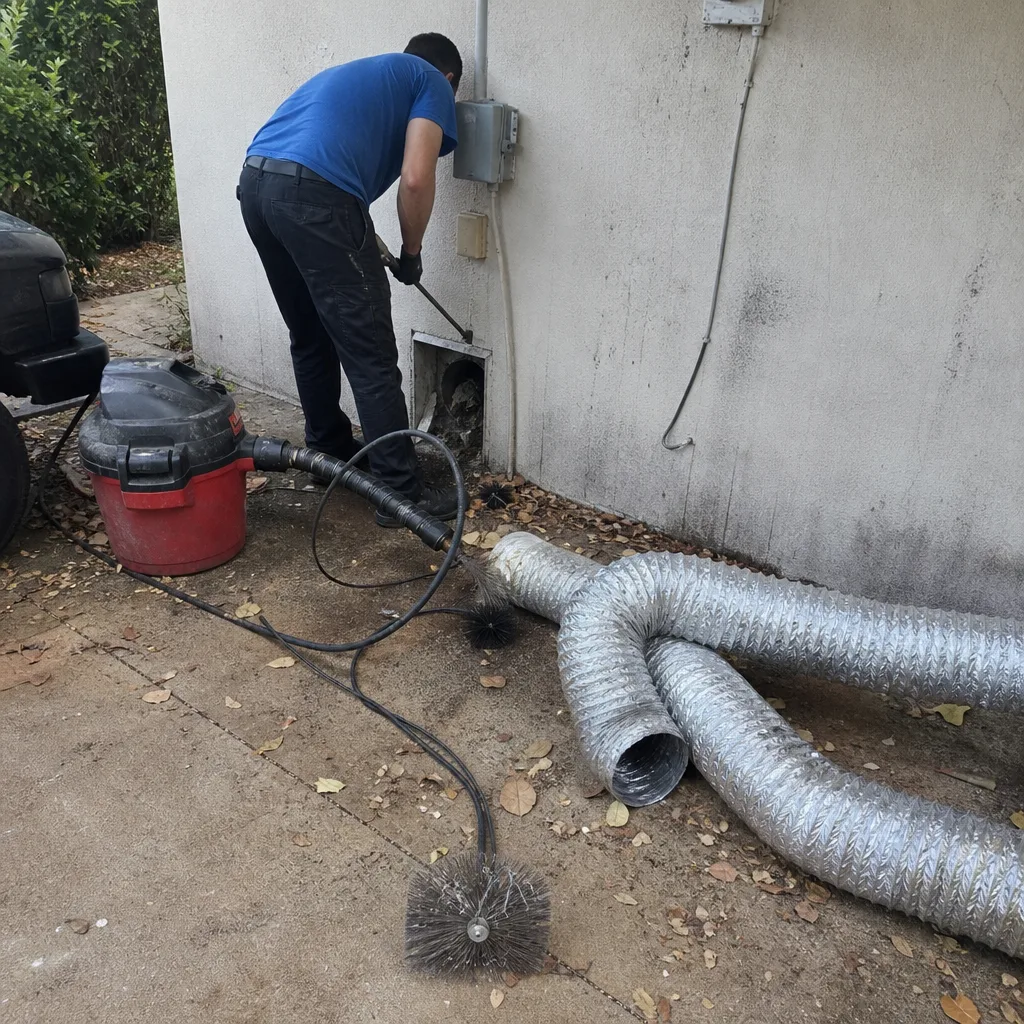
See the difference
 Before
 After
 Before
 After
 Before
 After
When to Call a Professional
Call a professional when two or more of the warning signs in this guide show up together, when the cold-start odor has been present for several weeks, or when a single room in the house has drifted two degrees or more off from the rest of the system’s cooling. Call earlier if you’ve recently seen a leaking register boot, a crushed flex duct in the attic, or a heater core condensation issue. Call immediately if you notice a burning or overheated smell in the laundry room, which points to the dryer vent. Duct Cleaning Cape Coral offers free estimates in Cape Coral, and our technicians have up to 8 years of experience with systems like yours. Call (877) 384-7616.
We answer 24/7. Fast dispatch from 7am to 7pm, Sunday through Friday.
Frequently Asked Questions
Whole-system air duct cleaning in Cape Coral is priced per system, not per vent, and the estimate sets the final price before work begins. Call (877) 384-7616 for an exact quote. Estimates are free.
Cheap quotes usually skip the equipment that makes the job work: no negative-pressure containment, no HEPA extraction, no mechanical brush system. A shop vac and a hose can move surface dust but not bonded contamination inside flex duct liner. We quote per system, so the price reflects the full job, not a teaser rate that grows once the technician is on site.
Ask for before-and-after photos of your own ducts, taken during the job. That’s the direct verification. A cleaning company that won’t produce photos of your specific system should not be trusted with the job. We include them as standard.
The cold start odor is that brief musty smell at the first minutes of the AC cycle that fades once air moves. It usually indicates microbial growth or bonded moisture-dust on the duct liner near the supply side. It’s more diagnostic than a persistent smell because it locates the contamination close to the air handler.
Most homes don’t need a fixed interval; they need cleaning when the signs appear. In our experience across Cape Coral, homes with pets or allergy-sensitive occupants tend to show the patterns on a shorter cycle than empty-season homes. Check the cold-start odor and register discoloration annually and let the signs drive the schedule.
Sometimes. Uneven cooling often comes from contamination at the trunk-to-branch transitions, and cleaning restores flow. If the cause is a crushed or disconnected duct run, though, cleaning alone won’t fix it: the duct has to be repaired. Both services fall under our scope of work, which is why the first step is an inspection.
Cleaning removes contamination from inside the duct. Repair fixes the structural problems that let contamination in: crushed runs, disconnected collars, torn liner, failing seals. Cleaning without repair on a system with structural issues is a stopgap. We offer both, and the estimate will tell you which one your system needs.
The Bottom Line
The warning signs that matter most in Cape Coral are quiet ones: a musty smell in the first ten minutes after the AC starts, a room that never quite cools, allergy patterns that tighten during the closed-window months, discoloration around a register boot, and an energy bill that creeps up without an obvious cause. None of them require an immediate emergency response. All of them point to the same place: the interior of the duct system, which you don’t see but you do breathe. If two or more show up together, the cost of finding out is zero. Call (877) 384-7616 for a free estimate. We answer 24/7. Fast dispatch from 7am to 7pm, Sunday through Friday.
Written by the team at Duct Cleaning Cape Coral.