
Last updated November 15, 2026
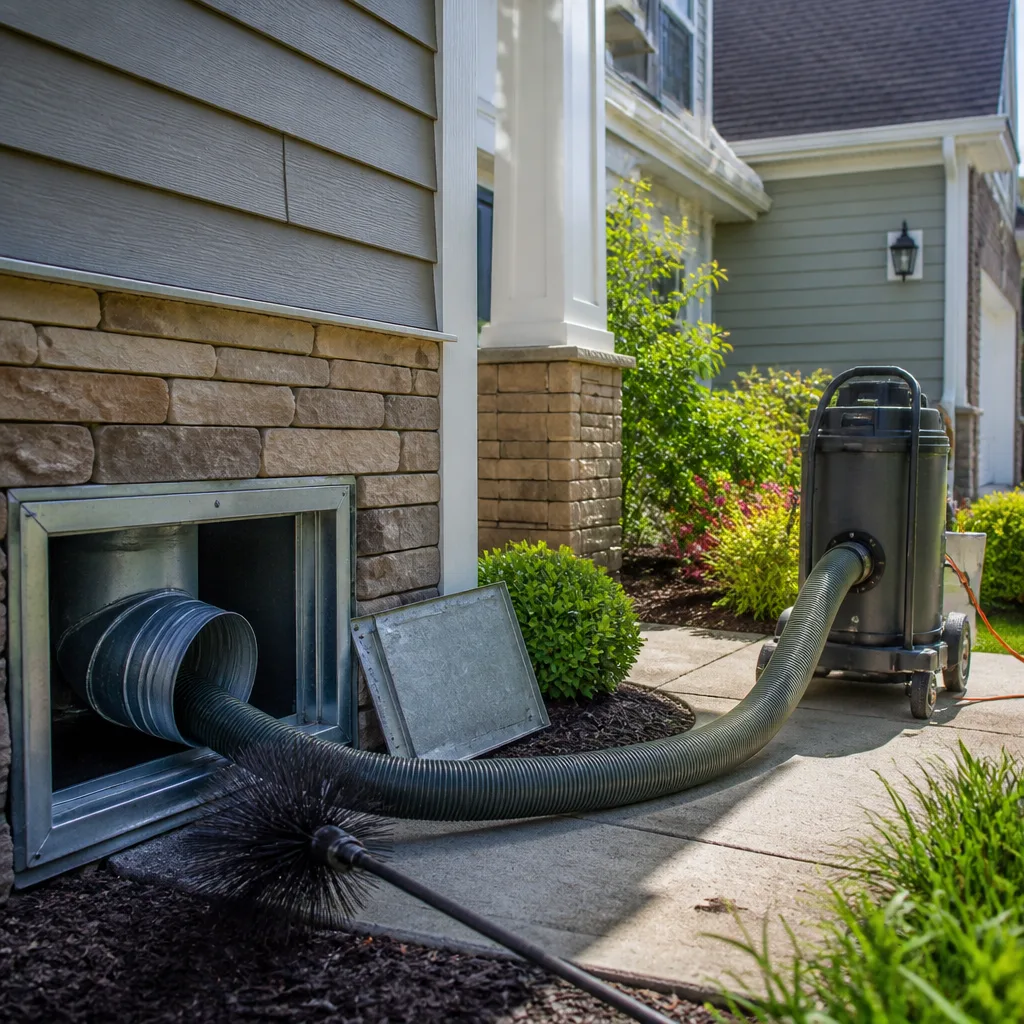 Whole-home duct cleaning
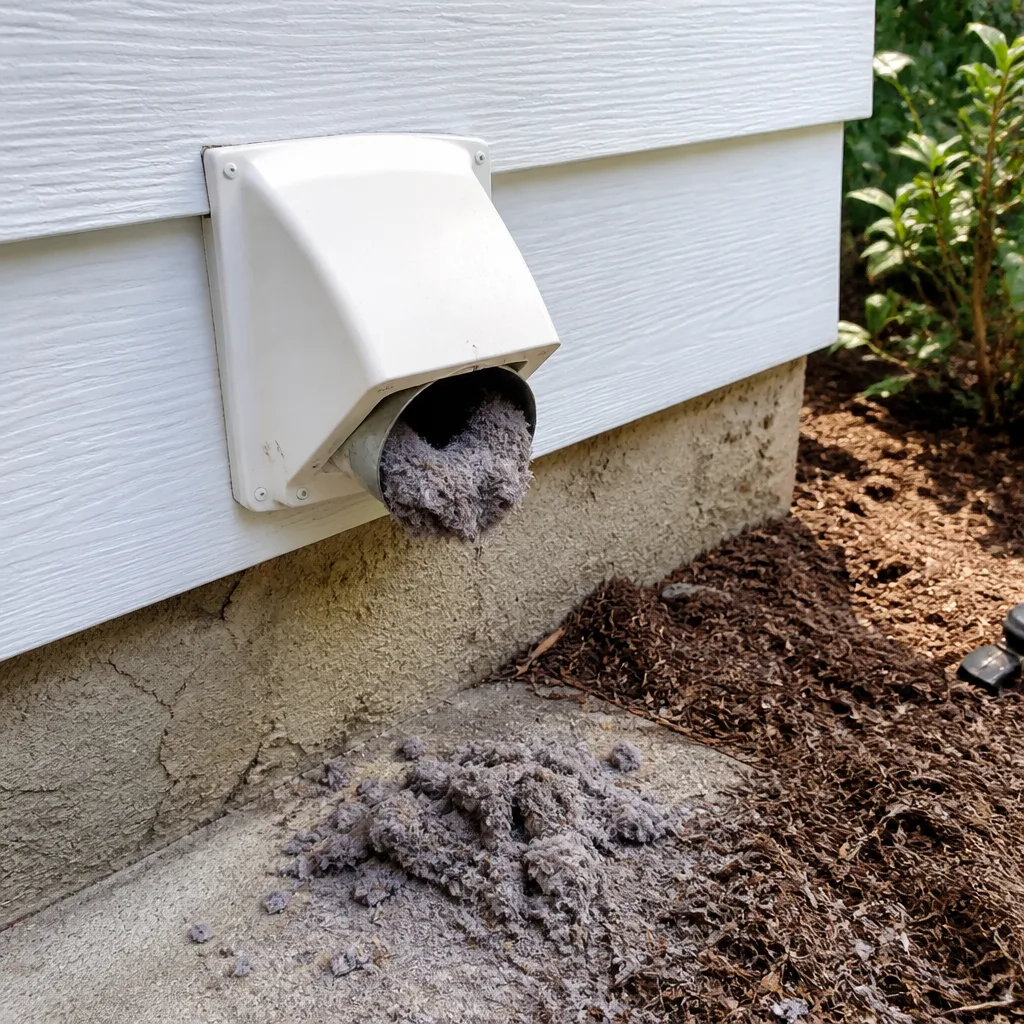 Dryer vent cleaning
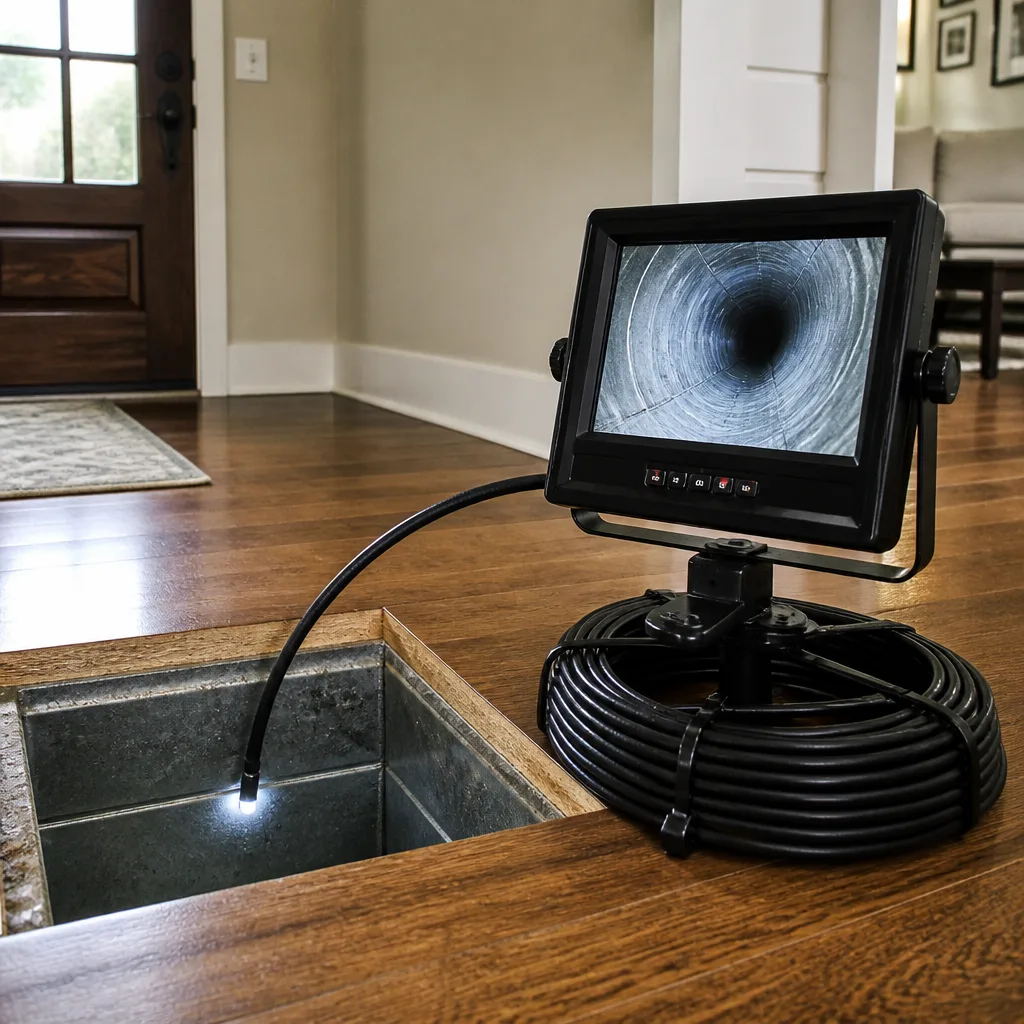 Camera inspection
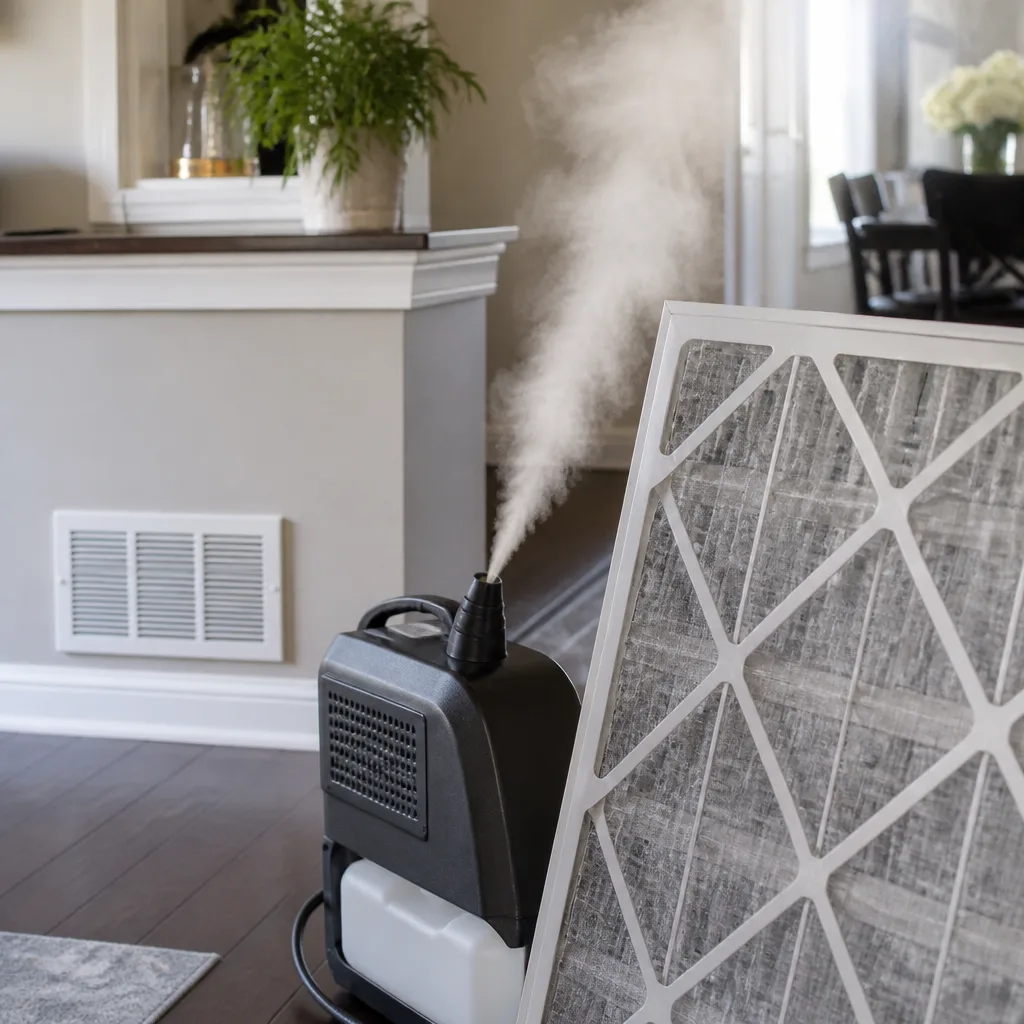 Sanitizing & deodorizing
Whole-system duct and dryer vent check with before-and-after photos - you see exactly what came out of your vents
That "$99 whole-house special" is a bait ad - the real number appears once they are in your hallway, or the "clean" is a shop-vac at the register. We photograph the inside of your ducts before and after instead.
Air Duct Cleaning Troubleshooting in Cape Coral: Common Problems and How to Fix Them
If your air conditioner was just serviced but some rooms still run warm while others freeze you out, or you’re swapping filters every three weeks instead of every three months, the problem is almost never the unit itself. It’s the ductwork feeding it. Most homeowners in Cape Coral spend money on the wrong fix because they misread the symptom: they call an HVAC tech for a refrigerant charge when the real issue is a crushed flex run behind a soffit, or they buy a stronger filter when the return duct is choked with debris. This guide maps the problems you can actually observe to their duct-level causes, explains the correct repair sequence, and shows you what a pre-call inspection at your own registers looks like. By the end you’ll know what to check, what to skip, and when to stop troubleshooting and hand it to a technician.
Quick Answer
Most duct problems in Cape Coral fall into one of three buckets: airflow restrictions (debris buildup or collapsed flex duct), contamination (musty return air from humidity-driven microbial growth), or leakage and pressure imbalance (unsealed joints or disconnected runs). The fix depends entirely on which bucket you’re in – cleaning, repair, or both – and the correct sequence is always diagnose with a camera first, repair structural failures second, clean third, and only treat chemically after the camera confirms what’s actually growing in there. A flashlight-and-phone inspection at your registers will tell you which bucket is most likely before you ever book a service call.
Styles & brands we work with
- Whole-home duct cleaning
- Dryer vent cleaning
- Camera inspection
- Sanitizing & deodorizing
Table of Contents
- Airflow Restriction vs. Collapsed Flex Duct: Telling Them Apart
- What Musty Return Air Really Means in Cape Coral’s Humidity
- Why Rooms Get Uneven After Cleaning (It’s Not Incomplete Cleaning)
- How to Inspect Your Own Registers Before You Call
- The Correct Sequence When Cleaning Doesn’t Fix an Odor
- Filter Changes and Filtration: Reading the Interval as a Diagnostic
- When You Need Air Duct Repair Instead of Cleaning
- Dryer Vent Symptoms That Masquerade as Duct Problems
Airflow Restriction vs. Collapsed Flex Duct: Telling Them Apart
These two problems feel identical from inside your house – weak airflow from a register – but they have completely different fixes, and confusing them costs real money. A debris restriction is a cleaning job. A collapsed flex run is a repair job, and no amount of vacuuming will help.
Here’s how to read the difference. A debris restriction usually develops gradually and affects the whole system to some degree. You’ll notice a slow decline in airflow across multiple rooms, a dust film returning quickly after you clean, and a register that pushes air but weakly. The duct itself is intact – it’s just lined with accumulated dust, lint, and sometimes construction debris from a build or remodel.
A collapsed flex duct typically affects one zone or one register suddenly or dramatically. The outer jacket of flex duct can crush when it’s been pinched behind drywall, kinked at a sharp turn, or run over by foot traffic in the attic. When it collapses, that run is functionally dead. You’ll see one register blowing almost nothing while others are fine, or a room that was always comfortable suddenly isn’t.
Two things make this distinction tricky in Cape Coral. First, the long cooling season here means your system runs hard for months, so any restriction compounds fast. Second, flex duct is common in local attic installs where the run is squeezed through tight framing, and that’s exactly where collapses happen. If one register is dead and the rest work, suspect a collapse, not debris. A camera inspection confirms it in minutes.
If you’re in the Fort Myers or Cape Coral area and one room just won’t cool no matter what, air duct cleaning alone may not be the answer – the run may need re-connection or replacement first. Professional-grade equipment can clean what’s there, but it can’t un-crush a duct.
What Musty Return Air Really Means in Cape Coral’s Humidity
A musty smell coming from your return registers is not the same as a dust smell. Dust smells like dust – dry, faintly earthy, unremarkable. Musty means moisture is present somewhere in the system long enough for microbial growth to establish. In Cape Coral’s climate, that distinction matters because the humidity here is sustained, not seasonal. Air conditioning runs year-round, which means condensation forms on cold surfaces inside the air handler and ductwork whenever warm, humid air meets a cooler component.
That’s your likely source: moisture at the evaporator coil, in the plenum, or where an inadequately insulated duct run sweats in a hot attic. Once that moisture sits, spores take hold in the dust lining the duct. Cleaning the ducts removes the growth medium, but it doesn’t fix the moisture source. If you clean without addressing why it’s wet, the smell comes back.
This is why the approach differs for a dust odor versus a musty one. For a plain dust smell, mechanical cleaning with rotary brush and negative-pressure extraction is usually enough. For musty return air, the sequence has to include:
- Identifying where moisture is entering or condensing (coil, plenum, poorly insulated run, or a return that pulls humid attic air)
- Fixing the moisture path – re-insulating, sealing, or repairing the run
- Cleaning with containment so disturbed spores don’t spread through the house
- Verifying with a camera after cleaning that the growth is actually gone
Using proper containment means running negative-air filtration – the same class of equipment used in remediation work – so that whatever’s loosened stays captured rather than settling back into the living space. That’s a real safety consideration in a humid market like Cape Coral, and it’s why we lean on Abatement Technologies air filtration devices rather than a shop vac and a hope.
Why Rooms Get Uneven After Cleaning (It’s Not Incomplete Cleaning)
Here’s a scenario that frustrates homeowners: ducts get cleaned, everything seems fine, then a week later one room is too warm and another is too cold. The instinct is to blame the cleaning. Almost always, the cause is a re-connection error or an unsealed joint that got disturbed or was never right to begin with.
Duct systems are balanced. Supply and return pressures are designed to move a specific volume of air through each branch. When a technician reconnects a run after cleaning and doesn’t get the joint tight, or when an existing seal fails at a wye or boot, air escapes or gets drawn from the wrong place. That shifts the balance. Rooms downstream of the leak lose flow; rooms upstream gain it.
You can test for this yourself with a cheap trick: hold a tissue against each register and watch it. A register that barely moves the tissue while a nearby one flutters hard is a sign of imbalance. It doesn’t tell you where the leak is, but it confirms one exists.
Common culprits we look for:
- Flex duct pulled loose from a trunk collar or register boot during the cleaning pass
- Mastic or foil tape that came away at a joint
- A wye or takeoff that was never properly sealed in the first place
- Insulation that got pulled back and left a gap at the connection
Fixing this is not a cleaning issue – it’s a repair issue. Ducts need to be resealed and re-secured, then the system tested for static pressure to confirm balance. If you’ve just had work done and rooms are uneven, ask for a pressure check, not another cleaning pass. It’s the difference between solving the actual problem and paying twice.
How to Inspect Your Own Registers Before You Call
You can do a useful pre-call inspection with a flashlight and your phone camera. It won’t replace a professional camera run through the system, but it will tell you what kind of problem you’re likely dealing with and help you describe it accurately. Here’s the basic sequence:
- Shut the system off at the thermostat so you’re not inspecting while air is moving.
- Remove a supply register grille (most pop off or have two screws) and shine the flashlight into the boot – the box the register sits in.
- Look for visible buildup: heavy dust film, lint clumps, debris from a recent remodel, or anything that looks organic or wet.
- Take a phone photo up the run, using the flash. The camera sees farther than the eye into a dark duct.
- Repeat at the return register. This is the one to check most carefully – a musty smell or visible dark staining here is significant.
- Run the system and hold a tissue at each register to compare airflow across rooms.
- Note any register that feels weak, any smell at the return, and whether the dust you see is dry or tacky.
What you’re looking for, in plain terms:
- Heavy dry dust or lint – points to standard debris accumulation; cleaning is the likely fix.
- Tacky, dark, or smelly buildup – points to moisture and possible growth; camera inspection is essential before any treatment.
- One dead register, others fine – points to a collapsed or disconnected run; repair, not cleaning.
- Dust in the return but clean supplies – the return is doing its job pulling in household dust; the real issue may be filtration.
Write down what you see. A technician who can hear “weak airflow at the back bedroom, musty smell at the main return, heavy dust at the kitchen supply” will arrive with the right equipment and a plan, which is faster for you and more accurate for them. If you’re not sure what you’re looking at, you can always Duct Cleaning Cape Coral to have someone walk you through it.
The Correct Sequence When Cleaning Doesn’t Fix an Odor
This is the point where cheap duct work goes wrong. An odor persists after cleaning, so someone sprays a chemical treatment into the system and calls it done. That’s backwards. The correct sequence is camera inspection first, then targeted treatment, then verification. Skipping the camera means you’re treating a smell without knowing its source – which is guesswork, not repair.
The sequence a competent technician should follow:
- Camera inspection. A borescope or inspection camera is run through the supply and return to see what’s actually inside. This locates the source of the odor – microbial growth on a wet coil, contaminated insulation, debris lodged in a run, or a dead animal or nest that cleaning missed.
- Identify the moisture or contamination source. If the growth is there, why is it wet? Until that’s answered, treatment is temporary.
- Correct the source. Re-insulate, seal a leaking return pulling humid air, repair a disconnected run, or address the coil.
- Clean mechanically under containment. Rotary brush cleaning with negative-pressure extraction, so disturbed material is captured rather than redistributed.
- Apply treatment only if the camera still shows growth after cleaning. Chemical treatment targets a confirmed problem, not a suspicion.
- Verify with the camera. A before-and-after camera comparison is your proof the problem is resolved.
If a technician offers to spray a “deodorizer” or fog the system without inspecting first, that’s a red flag. In Cape Coral’s humidity, treating the symptom without finding the moisture source guarantees a repeat. Ask for the camera. Ask for before-and-after photos of the run itself. Reputable work is verifiable work.
Filter Changes and Filtration: Reading the Interval as a Diagnostic
Your filter change interval is one of the most useful pieces of diagnostic data you have, and most homeowners ignore it. A standard filter should last about three months in a normal home. If you’re changing it every three weeks and it’s packed with dust, don’t just buy more filters – that’s a symptom pointing at the ductwork or the air handler.
What a short filter interval usually means:
- Dust is bypassing the filter. A poorly seated filter, a return duct that leaks and pulls dust from the attic, or a filter frame with gaps lets dust into the system and straight back onto the filter.
- The return duct is contaminated. A dirty return dumps a continuous load of settled dust onto the filter.
- Construction or renovation dust. Drywall dust and debris from a recent project overwhelm any filter. Cape Coral has an active build and remodel market, so this is common.
- Filter is too restrictive for the system. A high-MERV filter can strain a system not designed for it, but that shows up as airflow problems, not filter loading.
Filtration is a system, not a part. We work with Honeywell and Aprilaire filtration and air quality components, and that matters when the answer to a short filter interval is a properly matched media cabinet rather than a cheap pleated filter swapped every few weeks. Understanding filtration in the context of the whole air handling setup – not the duct in isolation – is how you stop chasing the problem.
When You Need Air Duct Repair Instead of Cleaning
Cleaning removes what’s inside the ducts. Repair fixes what’s wrong with the ducts as a structure. If the ducts themselves are failing – crushed, disconnected, torn, or leaking at joints – you need repair, and cleaning around a failing duct is money spent on a problem that comes back.
Signs it’s a repair job:
- One register dead or dramatically weaker than the rest
- Visible separation at a joint, boot, or trunk connection
- Torn flex duct jacket or crushed run visible from the attic or a wall cavity
- Rooms that never balanced, even after cleaning
- Dust returning to surfaces within days of cleaning
- High static pressure readings at the air handler
The fix usually involves resealing joints, reconnecting runs, replacing collapsed flex sections, and re-balancing airflow. Then, and only then, cleaning makes sense – there’s no point cleaning a duct that’s dumping air into your attic.
Our experience is that a lot of the “the cleaning didn’t work” complaints we hear are actually repair jobs that got cleaned instead. That’s why we treat repair as a core service, not an add-on. The problem is solved by fixing the structure, not vacuuming around it. If your system shows these signs, a repair assessment is the right first step.
Dryer Vent Symptoms That Masquerade as Duct Problems
Not everything that looks like a duct problem is one. A few dryer vent symptoms get mistaken for HVAC duct trouble, and the fix is a separate service entirely.
Clothes take longer to dry, the dryer feels hot to the touch, or there’s a burning or musty smell in the laundry area. Those are dryer vent symptoms. A clogged dryer vent is a fire-safety issue, not just an efficiency issue – lint is highly combustible, and a vent packed with it is a hazard waiting to be cleared. This is one of the reasons we treat dryer vent cleaning as a dedicated service rather than an upsell tacked onto duct work.
If you notice:
- Clothes taking more than one cycle to dry
- The dryer shutoff or overheating
- Lint accumulating around the dryer or vent exterior
- A smell in the laundry room that doesn’t match a duct mustiness
Then the dryer vent is the place to start. In a year-round cooling climate like Cape Coral, the dryer runs hard too, so vent loading builds up steadily. A clean dryer vent also moves humid air out of the house more efficiently, which matters here. Keep the two services straight: duct cleaning handles your HVAC system, dryer vent cleaning handles the appliance. Same principle of clearing a hidden passage, different equipment and different risk.
Common Mistakes to Avoid
- Buying a stronger filter to solve a dust problem. A high-MERV filter on a system not designed for it restricts airflow and can worsen the real issue. Fix the source of the dust instead of filtering harder.
- Calling an HVAC tech for a “unit problem” without checking the ducts. Uneven cooling and short filter life point at ductwork. Have the ducts assessed before paying for a refrigerant charge or a new component.
- Accepting a spray-and-fog treatment without a camera inspection. In Cape Coral’s humidity, treating an odor without finding the moisture source guarantees it returns. Ask for the camera first.
- Cleaning a duct that has a collapsed run. If one register is dead, cleaning won’t fix it. Repair the run, then clean.
- Ignoring a musty return smell as “just dust.” Musty means moisture and likely growth. It’s a different problem with a different fix, and it deserves a proper inspection.
- Assuming uneven rooms after cleaning means the cleaning was bad. It usually means a joint came loose or was never sealed. Ask for a pressure check and a repair assessment, not a second cleaning.
- Treating a dryer vent problem as a duct problem. Slow-drying clothes and a hot dryer are dryer vent symptoms. Get the dryer vent cleaned as its own service.
See the difference
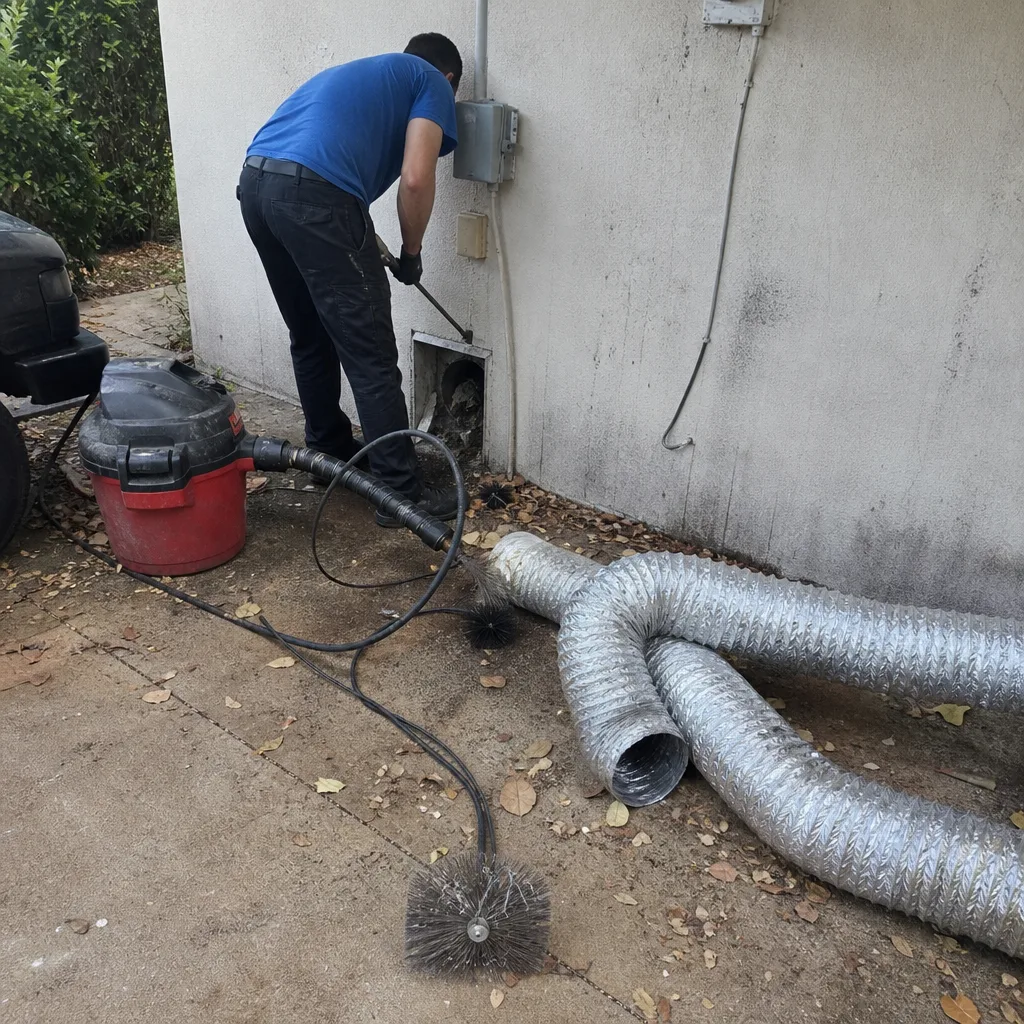 Before
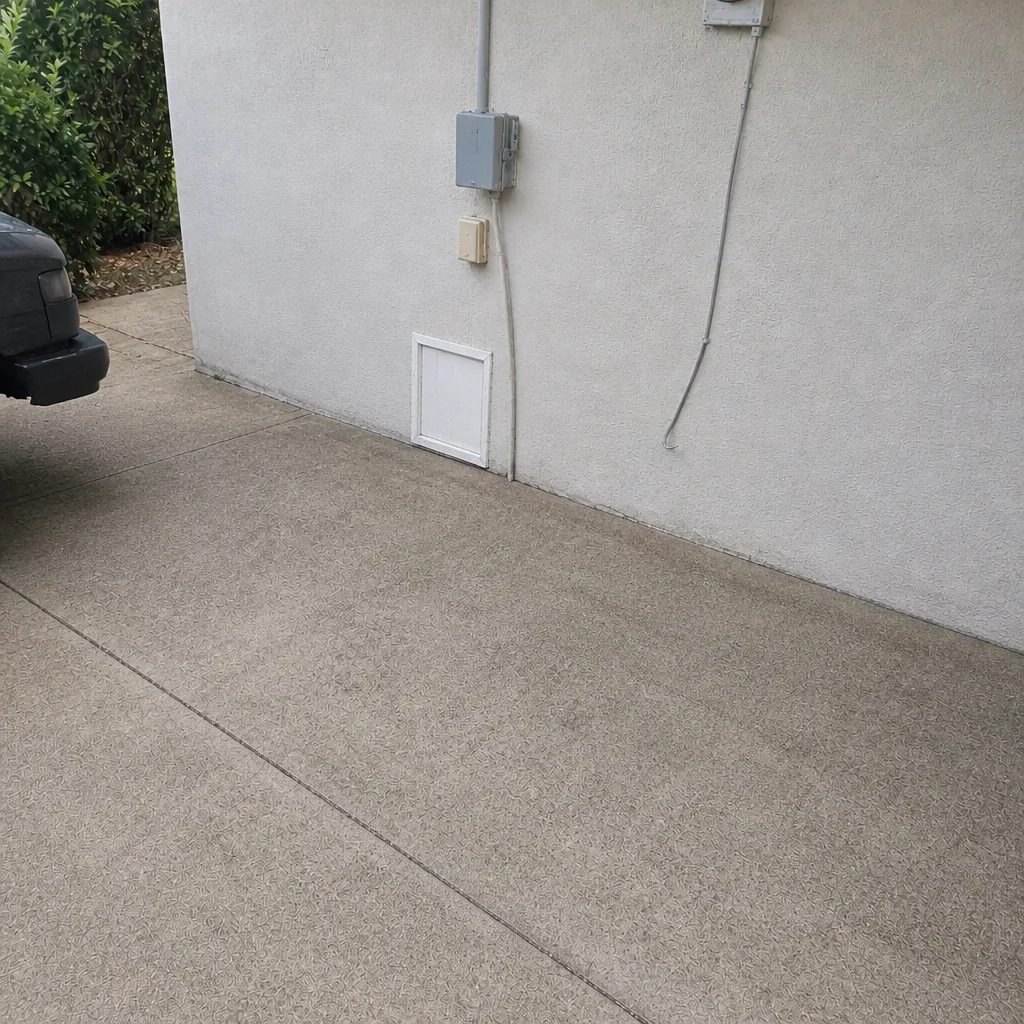 After
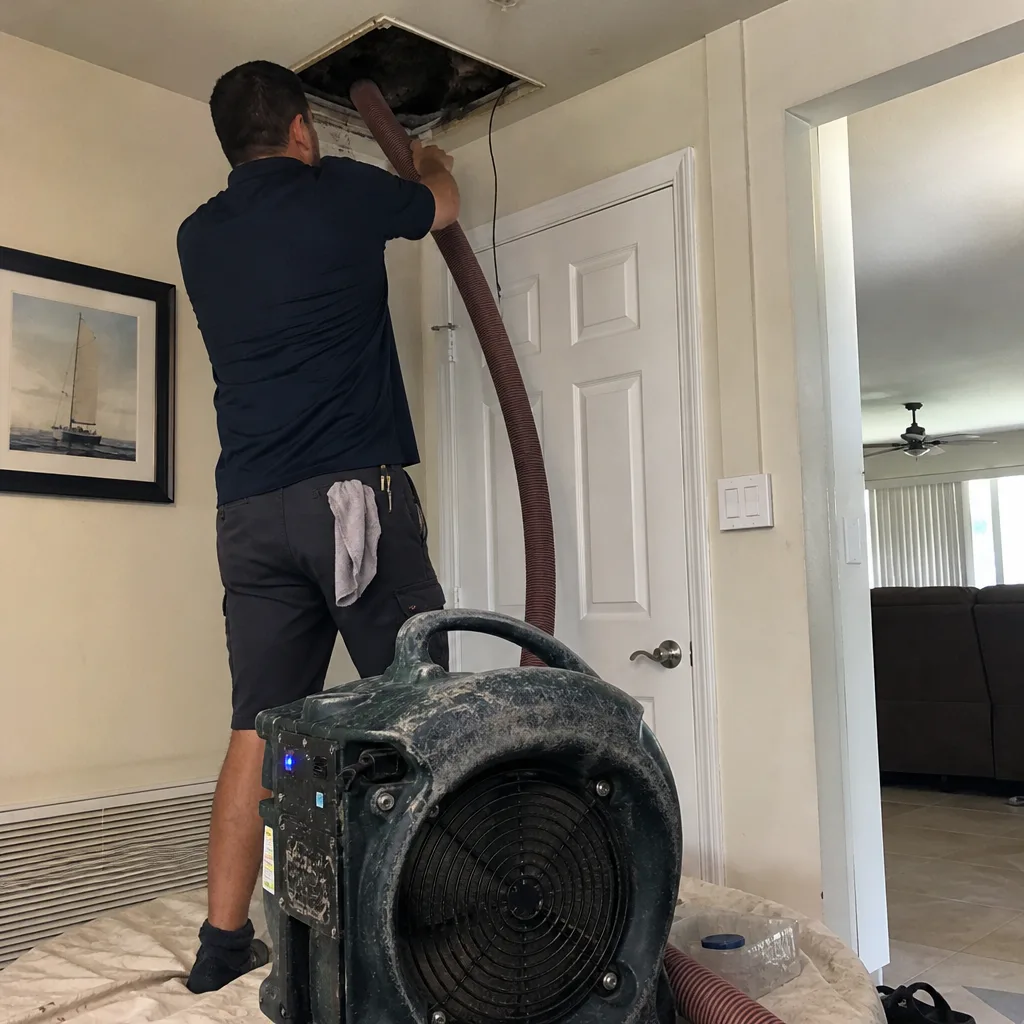 Before
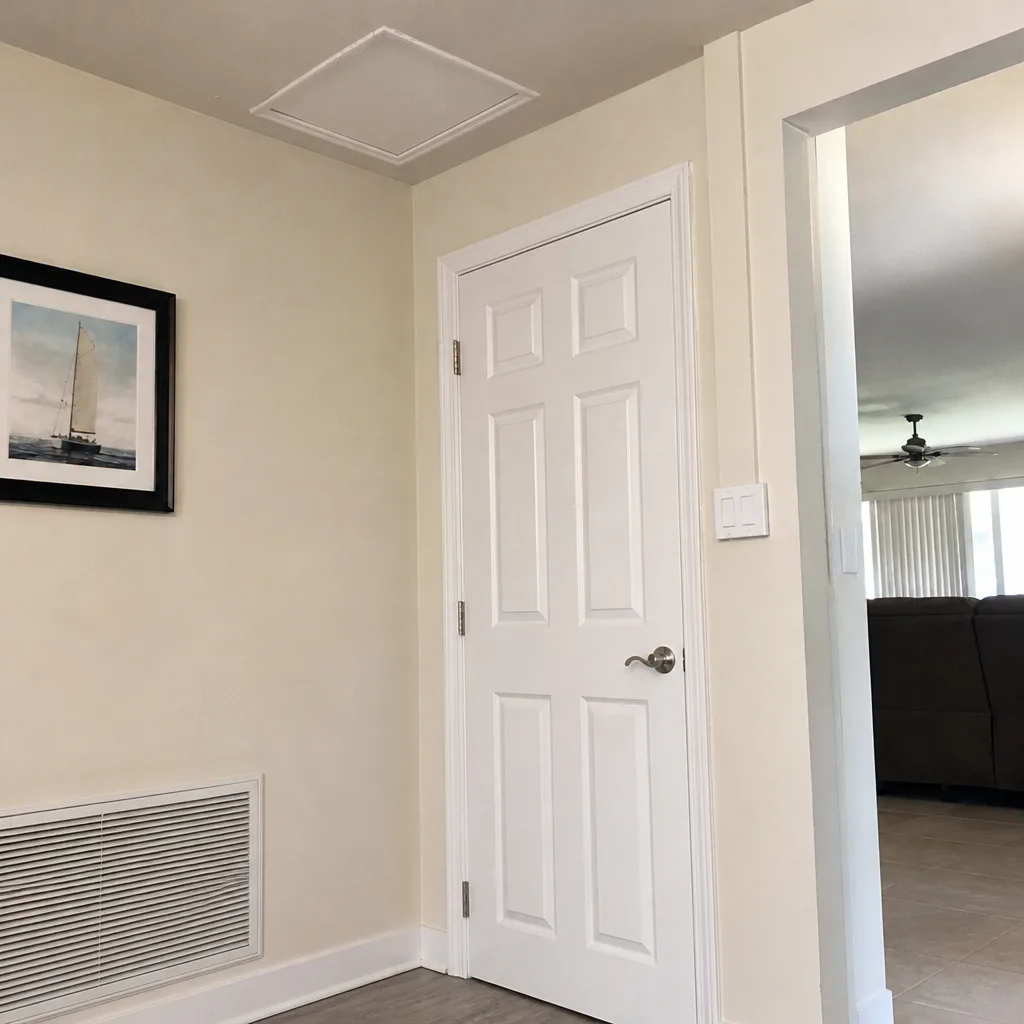 After
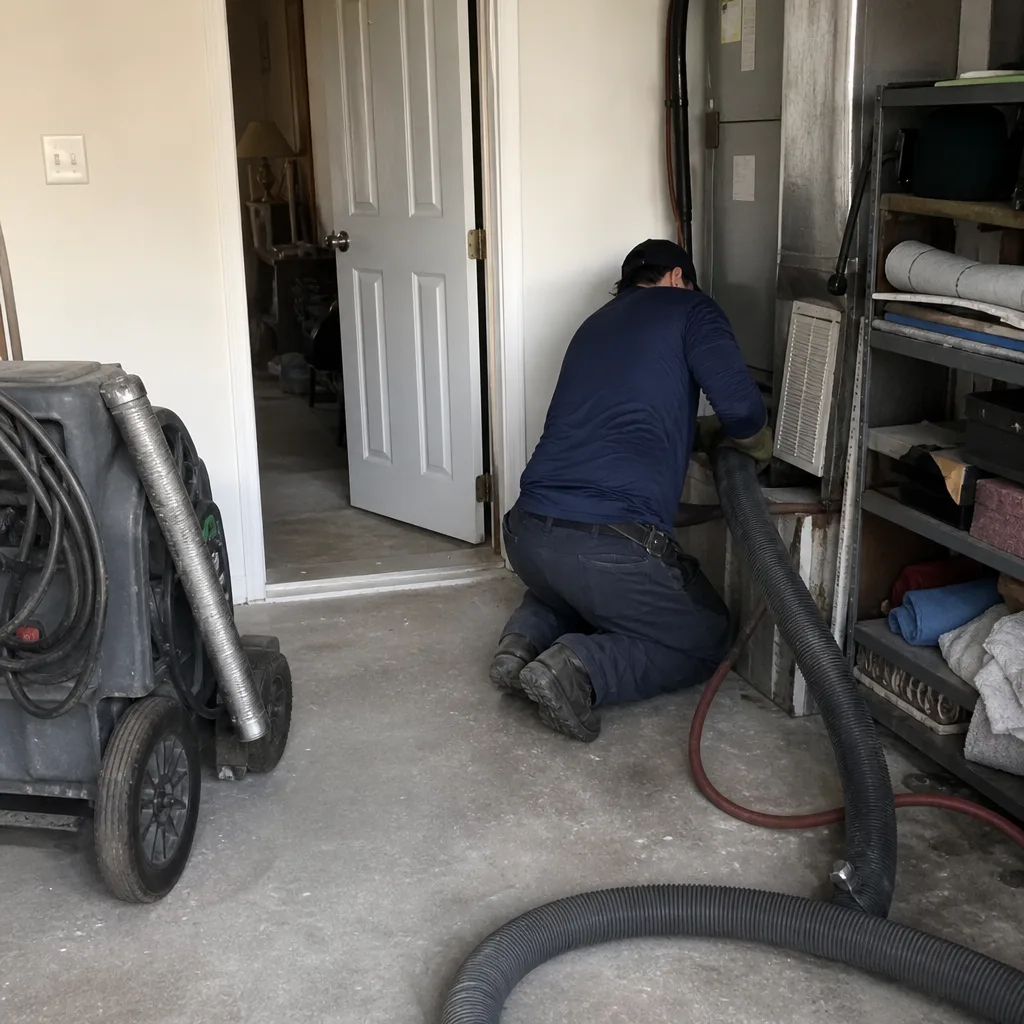 Before
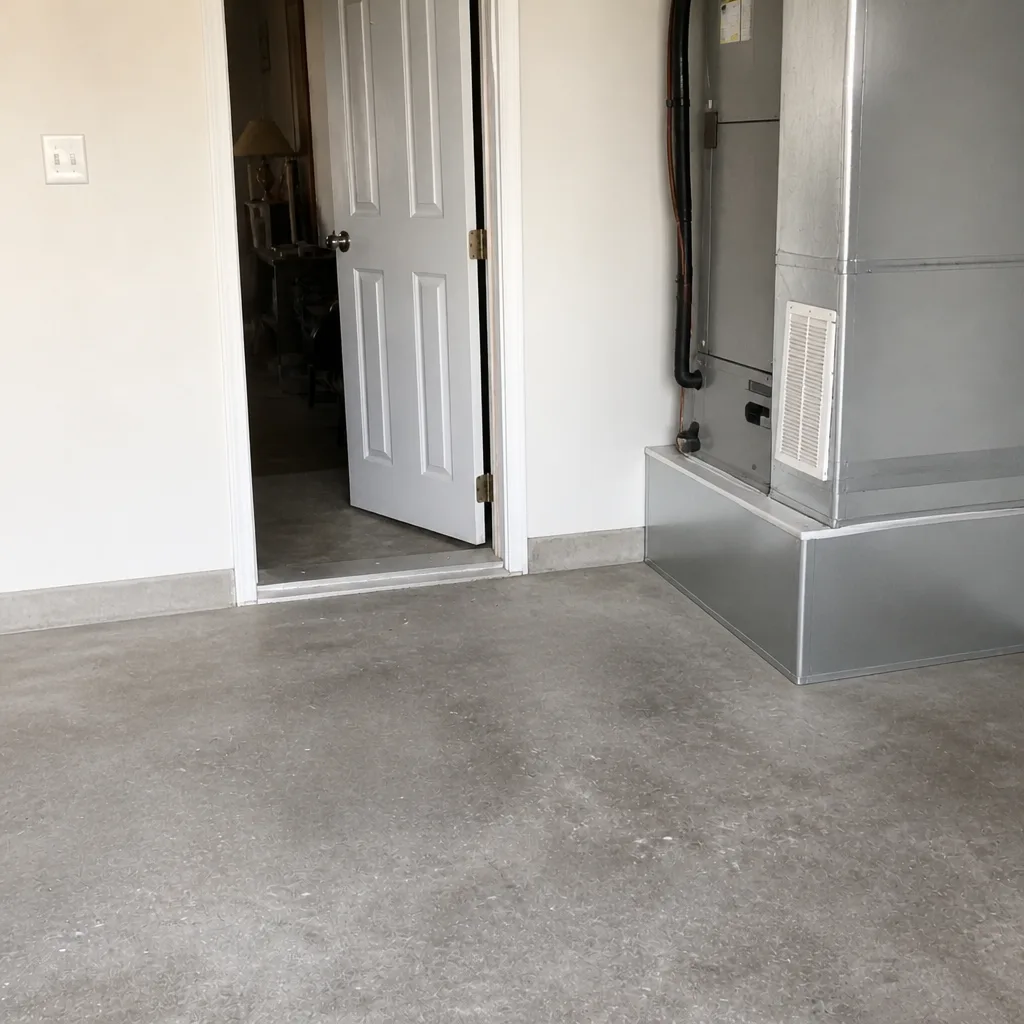 After
When to Call a Professional
Call when the symptom points at something you can’t see or safely reach. If you’ve done the flashlight inspection and found heavy buildup, a musty smell at the return, one dead register, or duct joints you can see separating, those are all signs the problem is inside the system where a proper camera and professional equipment belong. Call sooner if anyone in the house has allergy or respiratory symptoms that seem tied to the air, or if you’ve just finished a renovation and want to clear the debris before it settles permanently.
Cape Coral homes run their systems hard year-round, and small duct problems get worse faster here than in a climate with a long heating season. Duct Cleaning Cape Coral offers free estimates in Cape Coral – call (877) 384-7616. We answer 24/7. Fast dispatch from 7am to 7pm, Sunday through Friday.
Our technicians have up to 8 years of experience reading exactly these symptoms – the ones that look like a unit problem and turn out to be a duct problem. The estimate is free, and the price is set per job by a written estimate before any work starts.
Frequently Asked Questions
If the AC unit was recently serviced and still leaves rooms uneven, or your filter loads up in weeks instead of months, the problem is almost certainly ductwork. A properly charged unit that can’t deliver cool air to a room is a distribution problem, not a cooling problem. Check airflow at each register before you call an HVAC tech – weak flow at one or two registers while others are strong is a duct-level signal.
Musty return air means moisture is present in the system long enough for microbial growth. In Cape Coral’s year-round humidity, condensation forms on cold components and poorly insulated duct runs, and that moisture feeds growth in the dust lining the duct. Cleaning alone won’t fix it – the moisture source has to be found and corrected, which starts with a camera inspection.
Uneven rooms after cleaning usually mean a duct joint came loose or was never properly sealed, not that the cleaning was incomplete. A re-connection error or a failed joint shifts the pressure balance, so some rooms gain airflow and others lose it. Ask for a static pressure check and a repair assessment rather than a second cleaning.
There’s no single answer, because it depends on your system, your filtration, and whether you’ve had a renovation. What should drive the decision is symptoms, not a calendar: a short filter interval, visible buildup at the registers, a musty return, or dust returning within days after cleaning. Cape Coral’s long cooling season means the system works hard, so watch for those signs rather than waiting a fixed number of years. Call (877) 384-7616 for an assessment specific to your home.
A collapsed flex duct run can usually be repaired or replaced section by section – a full system replacement is rarely necessary. The run is reconnected or replaced, joints are resealed, and the system is re-balanced. A camera inspection identifies exactly which run is affected. Air duct repair is a core service, not an afterthought, so it’s handled properly the first time.
Ask for before-and-after photos or camera footage of your own ducts, not stock images. A technician working with professional equipment should be able to show you the run before and after cleaning, and confirm any repair with a pressure check. If someone can’t show you proof of what was cleaned or repaired, that’s the answer to your question. Call (877) 384-7616 and we’ll walk you through what a proper verification looks like – estimates are free.
The Bottom Line
Most duct problems Cape Coral homeowners face trace back to three causes: restrictions, contamination, or leakage. The fix depends on which one you’re in, and reading the symptom correctly is what saves you money. A dead register points to repair, not cleaning. A musty return points to moisture, not dust. Uneven rooms after cleaning point to an unsealed joint. Do the flashlight inspection, note what you find, and hand it to a technician who diagnoses with a camera before treating. That sequence – inspect, repair, clean, verify – is what turns a recurring problem into a one-time fix. Our technicians have up to 8 years of experience reading these symptoms, and the estimate is always free.
Ready to get to the bottom of it? Call Duct Cleaning Cape Coral at (877) 384-7616 for a free estimate. We answer 24/7. Fast dispatch from 7am to 7pm, Sunday through Friday. Serving homes and property managers throughout Cape Coral with professional-grade equipment – Rotobrush, Nikro, and Abatement Technologies – not DIY gear, and a written estimate per job before any work starts.
Written by the team at Duct Cleaning Cape Coral.