
Last updated November 15, 2026
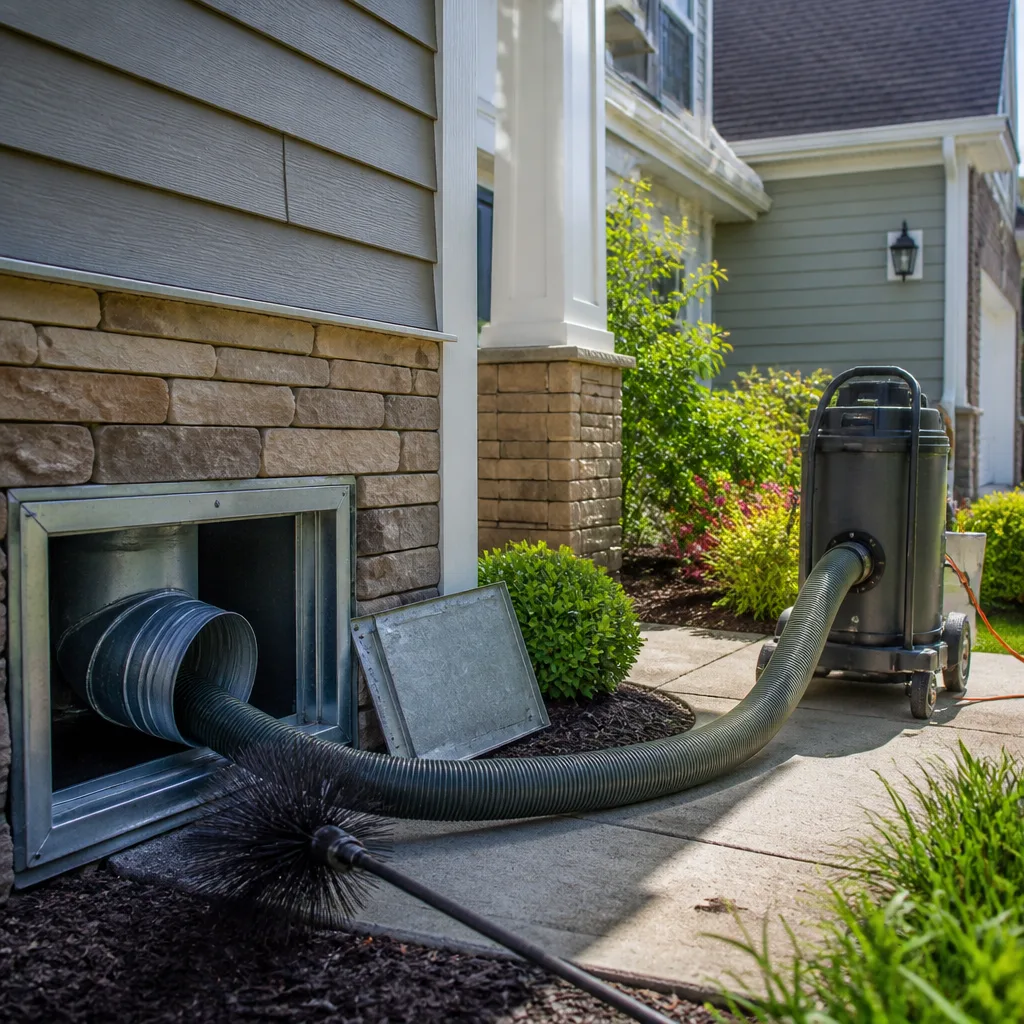 Whole-home duct cleaning
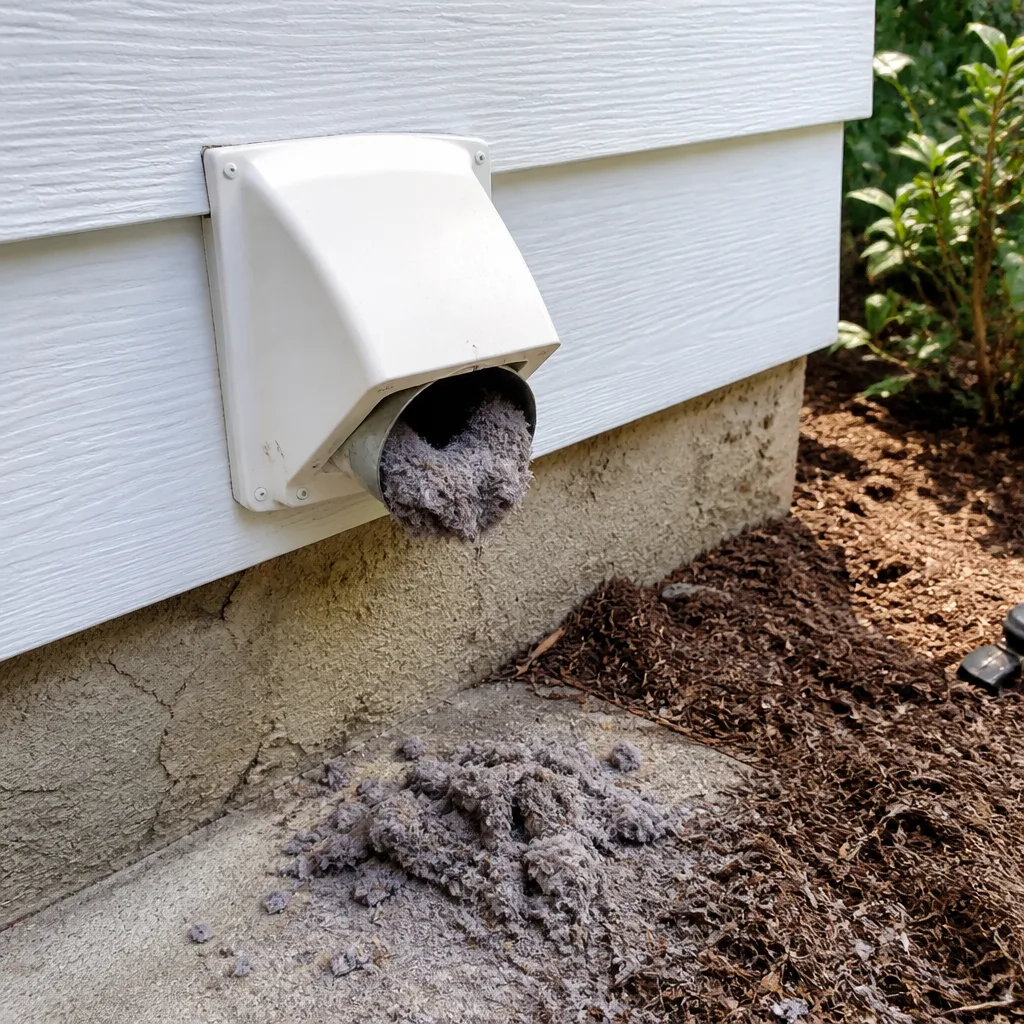 Dryer vent cleaning
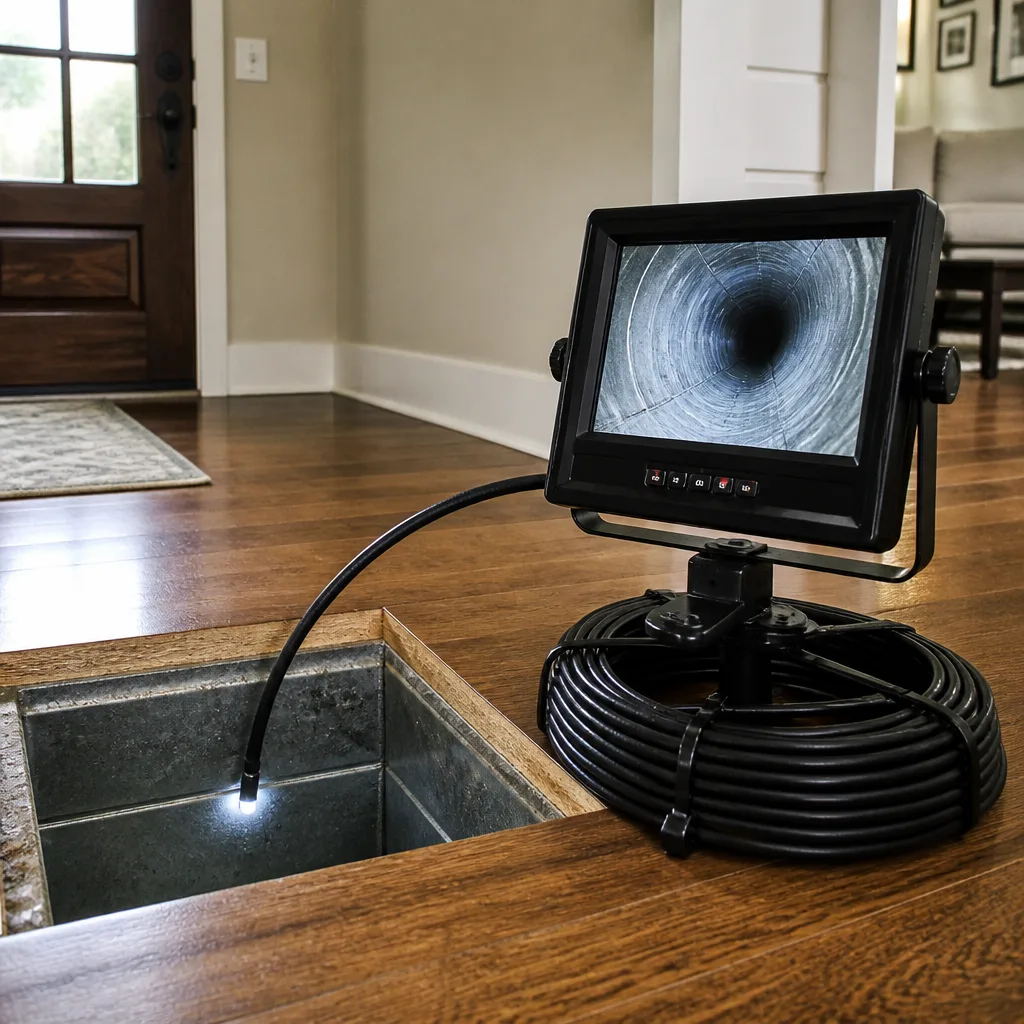 Camera inspection
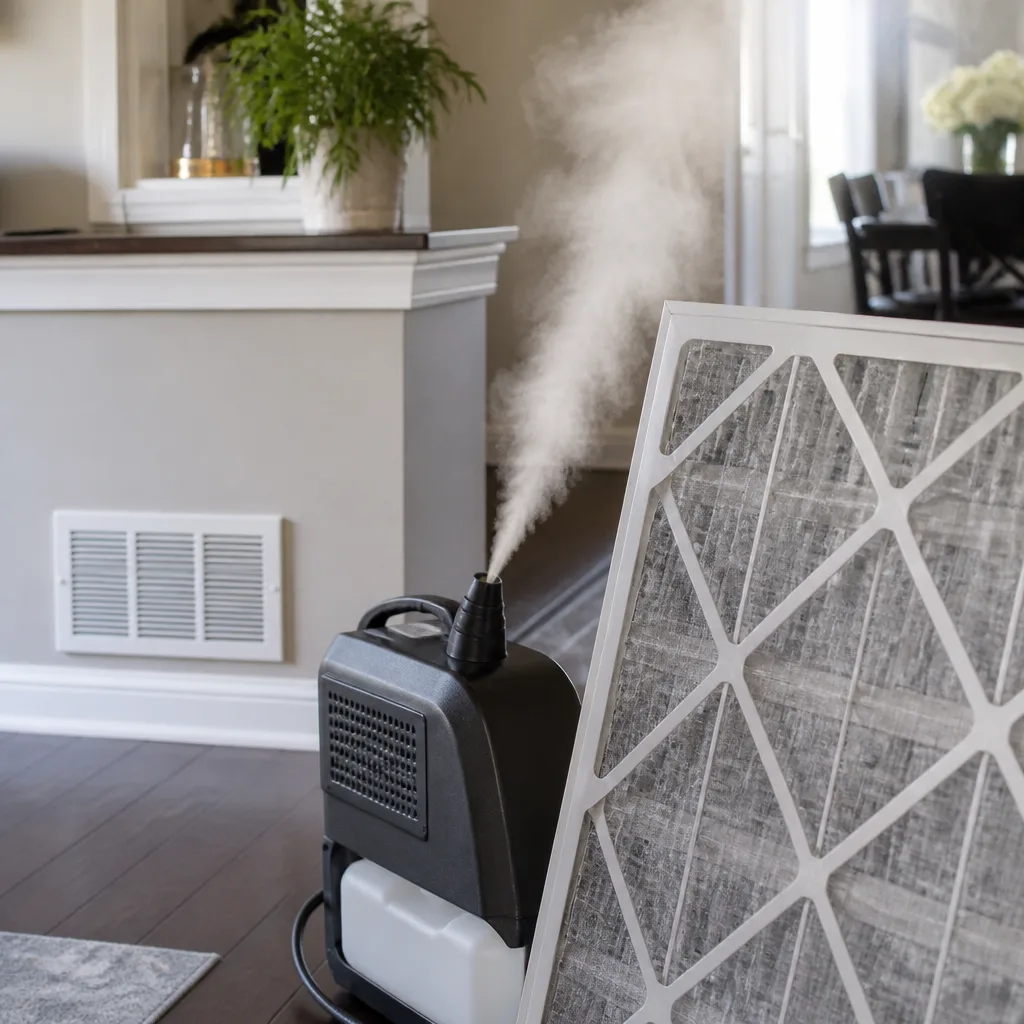 Sanitizing & deodorizing
Whole-system duct and dryer vent check with before-and-after photos - you see exactly what came out of your vents
That "$99 whole-house special" is a bait ad - the real number appears once they are in your hallway, or the "clean" is a shop-vac at the register. We photograph the inside of your ducts before and after instead.
Air Duct Cleaning Maintenance Checklist for Cape Coral Homeowners
Cape Coral homeowners run their HVAC systems an average of 10 to 11 months per year, and that changes everything about duct maintenance. The annual inspect-your-ducts advice you’ll read on most websites was written for houses that sit idle half the year. Here, your system accumulates in twelve months what a northern home collects across three. That means the useful maintenance calendar isn’t a yearly checklist at all. It’s a seasonal rhythm tied to our dry season, our wet season, our pollen load, and the construction dust rolling through growing neighborhoods. This guide gives you that calendar – what to check, when, and what a real red flag looks like before odors or symptoms show up.
Quick Answer
The short version: inspect your ductwork and grilles monthly, change filters on a Cape Coral-adjusted interval of roughly every 60 to 90 days (shorter during heavy pollen or nearby construction), and schedule professional deep cleaning every 3 to 5 years – sooner if you’ve had water intrusion or visible debris. Peak maintenance windows here are the shoulder months before wet season (roughly March through May) and after any flooding event. Everything else in this guide is detail on how to run that schedule well.
Styles & brands we work with
- Whole-home duct cleaning
- Dryer vent cleaning
- Camera inspection
- Sanitizing & deodorizing
Table of Contents
- The Cape Coral Seasonal Duct Maintenance Calendar
- What to Check on Flex Duct Connections in Cape Coral Homes
- Filter Change Timing for Cape Coral Pollen and Construction Dust
- How to Log System Performance as an Early Warning System
- Return-Air Grilles in Garage-Adjacent Utility Rooms
- What to Look for After Wet Season and Heavy Rain
- When a Checklist Isn’t Enough: Signs You Need Professional Service
- Repair vs. Clean: Choosing the Right Fix
The Cape Coral Seasonal Duct Maintenance Calendar
Cape Coral doesn’t have four seasons in the way duct maintenance guides assume. We have a dry season roughly November through April and a wet season roughly May through October. Your HVAC load shifts between them, and the shift is what should drive your inspection schedule. In the dry months your system runs on lower runtime, and that’s when pollen and fine dust settle into return plenums and low points. In the wet months runtime climbs back up while outdoor humidity rises, and any moisture getting into the system has a much longer window to sit and support growth.
Here’s a working month-by-month breakdown, organized by what the season produces rather than by the calendar for its own sake:
- November and December: First post-summer inspection. Look at every supply and return grille for dust lines and dark streaks. Check filter condition and log it.
- January and February: Dry-season pollen period. Shorten your filter interval. Feel airflow at each register while the system is running and note any that feel weaker than others.
- March through May: Pre-wet-season window. This is the best time of year to schedule professional air duct cleaning in Cape Coral, because you want any accumulated dust and organic debris out before humidity climbs.
- June through September: Peak runtime. Watch for musty smells at startup, especially at the first cool-down of the day. Recheck flex duct connections for movement or sagging.
- October: Post-season assessment. Note the cooling times you logged during summer and compare them to what you noted in spring.
That rhythm matters more than hard dates. If a heavy rain event or nearby construction affects your home, break the schedule and inspect sooner.
What to Check on Flex Duct Connections in Cape Coral Homes
Most tract homes in Cape Coral – and a huge share of the housing stock across the city, from newer builds in the northwest to older neighborhoods closer to the river – were built and retrofitted using flexible duct, not rigid metal duct. Flex duct is fast to install and works fine when the connections are tight. The problem is that flex duct connections fail quietly. A separation at a collar, a boot, or a takeoff won’t announce itself. It just leaks conditioned air into an attic, and in the process it creates a spot where dust, insulation fibers, and attic debris get pulled into the airstream.
You can do a visual inspection of accessible connections yourself, using a flashlight and a cautious approach in the attic. Look for these specific conditions:
- The inner liner pulled back from the metal collar, exposing the insulation blanket to airflow.
- Duct tape that has dried, curled, or lost adhesion – common in Southwest Florida attics that hit high temperatures.
- Duct runs that sag between supports, which can trap condensation and dust at the low point.
- Compressed or crushed runs where a duct was stepped on during past attic work.
- Discolored insulation around a connection, which suggests moisture or air movement where there shouldn’t be any.
If you see any of these, you don’t need a cleaning – you need duct cleaning Cape Coral customers call for repair-first service. Cleaning a separated duct is like vacuuming a room with the window open. We address the connection before we address the interior. That’s the core difference in how we work: repair the structural problem, then clean what’s left.
Filter Change Timing for Cape Coral Pollen and Construction Dust
The “every 90 days” rule is a starting point, not a rule of thumb that fits Cape Coral. Two factors here push the interval shorter: the pollen calendar and construction dust from active development. The city has seen steady new construction and lot clearing spread across many neighborhoods, and when there’s grading happening within a half-mile of your home, your filter is catching fine mineral dust that isn’t present in a settled area.
Use this schedule as your baseline and adjust from it:
- Standard interval: every 60 to 90 days for most Cape Coral homes. Check monthly; replace when the filter holds visible gray buildup rather than just light dust.
- Dry-season pollen window (roughly January through April): every 45 to 60 days, or monthly if you have allergies or pets.
- Near active construction: monthly during grading and site-work phases. Filter cost is trivial compared to the strain of a restricted return.
- After any flood or major roof leak: replace immediately, regardless of how new the filter is, and inspect the duct interior within the week.
Filter quality matters as much as interval. We work with Honeywell and Aprilaire filtration components because those are the systems built into many Cape Coral homes and the ones whose behavior we understand when we’re diagnosing airflow. A cheap fiberglass filter replaced monthly will outperform a high-MERV filter left in place long past its capacity, and in humid climates an over-restrictive filter can create its own problems by starving the system of return air.
How to Log System Performance as an Early Warning System
Most homeowners call a professional only after a smell or a symptom appears. By then the contamination has had a season to build. A simple performance log catches the same signal months earlier, and it costs you nothing but a few minutes a month. You’re not diagnosing anything complicated. You’re establishing a baseline and watching for drift.
What to record, monthly:
- Airflow feel: Hold your hand at a consistent point at the center of each supply register. Note whether airflow there feels unchanged, softer, or stronger. You don’t need a number; a simple rating works.
- Cooling time: How long does the house take to reach setpoint from a known starting condition, like the first cool-down of the day? Note the time.
- Energy bill by month: Not the dollar figure so much as the direction and rate of change compared to the same month last year. A duct leak or a dirty coil shows up as an unexplained upward bend.
- Startup smell: Rate it: none, slight, noticeable, strong. Musty or chemical smells at startup are a specific signal – not an emergency, but a reason to look.
- Filter date: Write the date on the filter edge when you install it. When you pull it, you know exactly how long it lasted and how it looked.
Read the log at the end of each season. If airflow is trending soft and cooling times are lengthening across two consecutive entries, that’s your cue to have the system looked at – well before you’d otherwise notice anything wrong with your air. The log converts vague feelings into evidence. When you call us, that evidence helps us scope the job accurately, and it means we’re not guessing about whether the ductwork is the actual cause.
Return-Air Grilles in Garage-Adjacent Utility Rooms
Cape Coral’s open-garage construction style creates a duct failure point that most generic maintenance checklists don’t mention. In many homes the air handler and ductwork sit in a utility closet adjacent to the garage, or return grilles land on walls shared with garage space. That adjacency is a contamination entry point for garage air: car exhaust particles, lawn chemical residue, stored product off-gassing, and general garage dust can be pulled into the return side of your system if the return path draws any air from the garage or from a closet that shares air with it.
What to check every few months on these return paths:
- Seal integrity at the grille frame: A loose grille or an unsealed penetration in the wall behind it allows air from the garage side to bypass the return and enter your living space.
- Door and wall penetrations: Utility closet doors with a gap at the top or bottom can pull air from the garage. Weatherstrip or seal them.
- Return grille condition: Look for dark streaks forming at the grille face. Streaking suggests unfiltered bypass air entering around the grille itself.
- Condensate drain line: If the air handler drains into a garage-adjacent closet, a slow drip can introduce moisture into the return plenum. Verify the drain line is clear and the pan is dry.
Sealing these points is a small job that pays off in air quality. On homes where we’ve corrected the connection between garage space and return air, most customers report the change in smells and dust at the return grille is what they notice first. If you’re unsure whether your return path is tight, we can assess it during a routine visit.
What to Look for After Wet Season and Heavy Rain
Water and ductwork don’t mix, and Cape Coral’s wet season puts that reality on a schedule. Between roughly May and October, heavy rain and the possibility of localized flooding are part of every homeowner’s seasonal checklist. Ducts that take on water – through a roof leak, a failed attic penetration, or flooding that reaches a low-mounted air handler – become a contamination problem the same day, not weeks later. Moisture inside a duct, plus the warm air temperature of an attic or utility closet, is about the best thing that can happen to the growth side of the equation.
After any significant rain event, particularly a roof leak or standing water in an attic or utility closet, do these checks:
- Inspect the attic floor and insulation around the air handler for staining or standing water.
- Smell at the registers. A musty or earthy smell at a return grille is a specific signal that moisture has reached the duct interior.
- Check flex duct insulation for visible watermarks. The foam or fiberglass blanket absorbs moisture and holds it long after the visible water is gone.
- Look at the return plenum and any low points for standing water or sludge.
Do not run the system with a wet duct interior. Water distributed through the airstream reaches every room, and it’s easier to catch a moisture event early than to clean it out afterward. Professional air duct cleaning after a wet-season moisture event uses negative-air filtration to keep contaminant from spreading during the work; that’s the reason professional equipment matters here, not just a shop vac and a willingness to crawl.
When a Checklist Isn’t Enough: Signs You Need Professional Service
Not everything on this list requires a call. Some body of the work you can do yourself: change the filter, inspect the grilles, log the metrics, check duct connections that are accessible. But there are specific signs that a visual inspection can’t resolve. That’s where a professional with proper equipment makes the difference between an answer and a guess.
Call a professional when you see:
- Visible debris or dust accumulation inside a duct interior, not just on the grille face.
- Musty or persistent odors that don’t clear after the first few minutes of operation.
- Weak or unbalanced airflow that your log shows worsening over two seasons.
- Any confirmed moisture event – flood, roof leak, or water line break near the air handler.
- Symptoms that track with your HVAC use: congestion, aggravated allergies, or irritation that improves when you’re away from home.
Professional duct cleaning uses rotary brush systems like Rotobrush and negative-pressure extraction like Nikro not because they sound impressive but because they physically agitate and remove debris that a vacuum alone leaves behind. The count of technicians isn’t what matters here; the equipment and containment standard is. We use Abatement Technologies air filtration devices during service to keep the work contained, and we reach for Guardsman protective products where surface protection during the job is needed. When we clean a system, we want before-and-after to be visible, not claimed.
Repair vs. Clean: Choosing the Right Fix
A meaningful share of the duct “cleaning” problems Cape Coral homeowners report are actually repair problems. The contamination is a symptom; the failure is structural. When a duct separates at a collar, is crushed in the attic, or runs loosely enough to gather dust at low points, cleaning it without repair means you’ll be back in the same state on the next season’s inspection.
Here’s the way we approach the decision, in the order we evaluate:
- Assess the connection and structural integrity first. Is the duct run tight, supported, and sealed? Is there visible separation or crush damage?
- Diagnose the airflow signature. Weak airflow at a register downstream of a specific run, combined with no reading change at the grille upstream, points to a structural issue rather than general contamination.
- Check for moisture and contamination. Wet or contaminated insulation is a cleaning problem only if it’s repaired first.
- Repair, then clean. Once the duct structure is sound, clean with rotary brush and negative-pressure extraction. Not the other way around.
That’s why we handle air duct repair alongside cleaning as a single flow, and why we don’t quote a cleaning and leave structural damage on the work order as a separate item you’ll get around to. If a duct is separated, we repair it and then clean the system so the result is actually clean, not clean-ish. And we schedule dryer vent cleaning separately from HVAC service because those are different systems with different failure modes and different tools. Our Cape Coral customers who book both save us a trip and themselves the trouble of two appointments, but we don’t bundle the service into one line item.
Common Mistakes to Avoid
-
Treating the annual rule as universal. A Cape Coral system that runs 10 or 11 months a year needs inspection and cleaning on a shorter cycle than a seasonal-use home. If you’ve moved here from a colder climate, your old schedule is no longer right.
-
Cleaning a separated or crushed duct without repairing it. The contamination comes right back, and you’ve paid for a cleaning that didn’t fix the underlying cause. Insist on assessing structure first.
-
Ignoring the garage-adjacent return. An unsealed utility closet or a loose grille lets garage air into your home’s air stream. It’s a small fix with an oversized impact on what you smell inside.
-
Skipping the post-rain check. Our wet season delivers moisture events that set up contamination in ducts fast. A visual inspection within the week after any roof or flood leak catches the issue before it becomes a remediation job.
-
Using too-restrictive filters in a humid climate. A high-MERV filter left in too long can starve the return and create its own airflow problems. Change interval matters as much as filter grade.
-
Not recording what you find. Without a log you can’t tell a soft-airflow trend from a fluke. Written evidence is what lets a professional scope the job accurately and what lets you know the work was worth it.
-
Assuming a dryer vent is a separate concern. In Florida open-garage layouts, dryer vents run long distances and collect lint at elbows. A dryer vent is a fire-safety issue, not an upsell afterthought.
See the difference
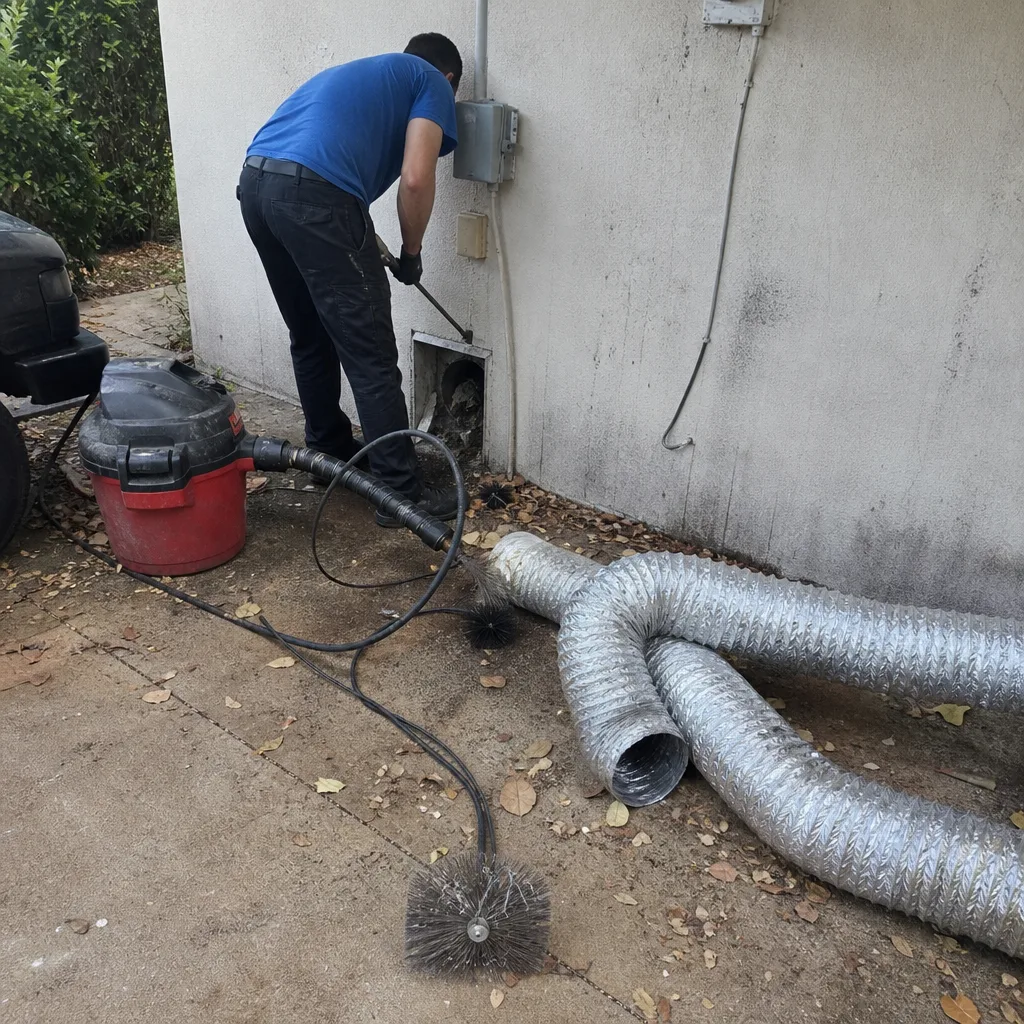 Before
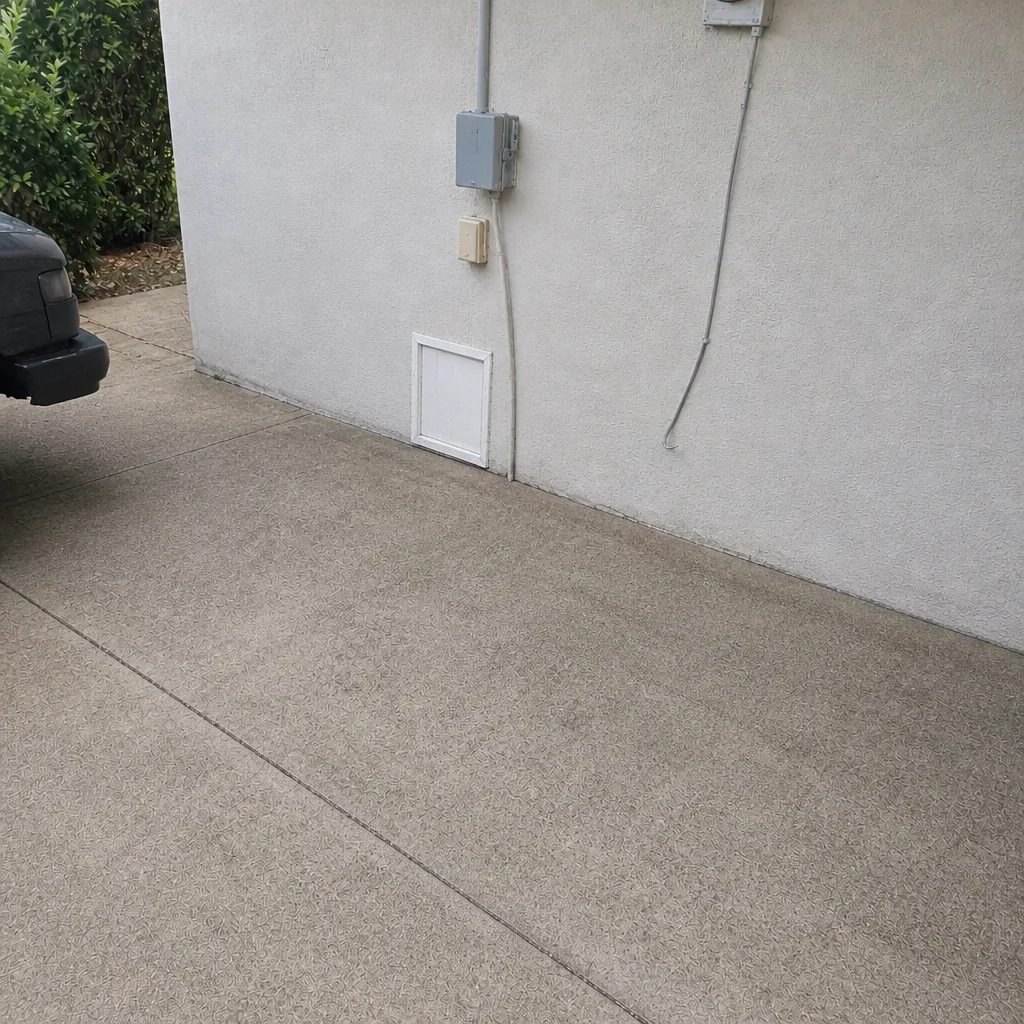 After
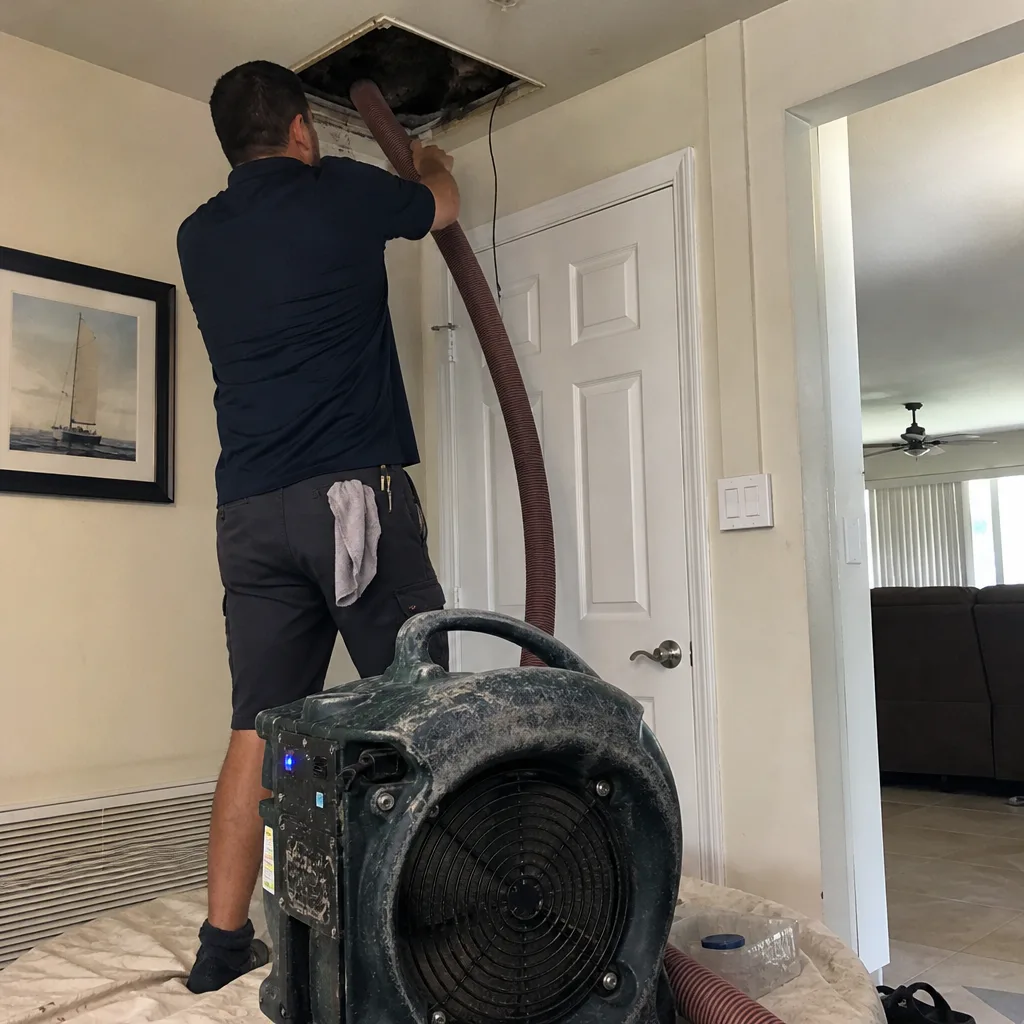 Before
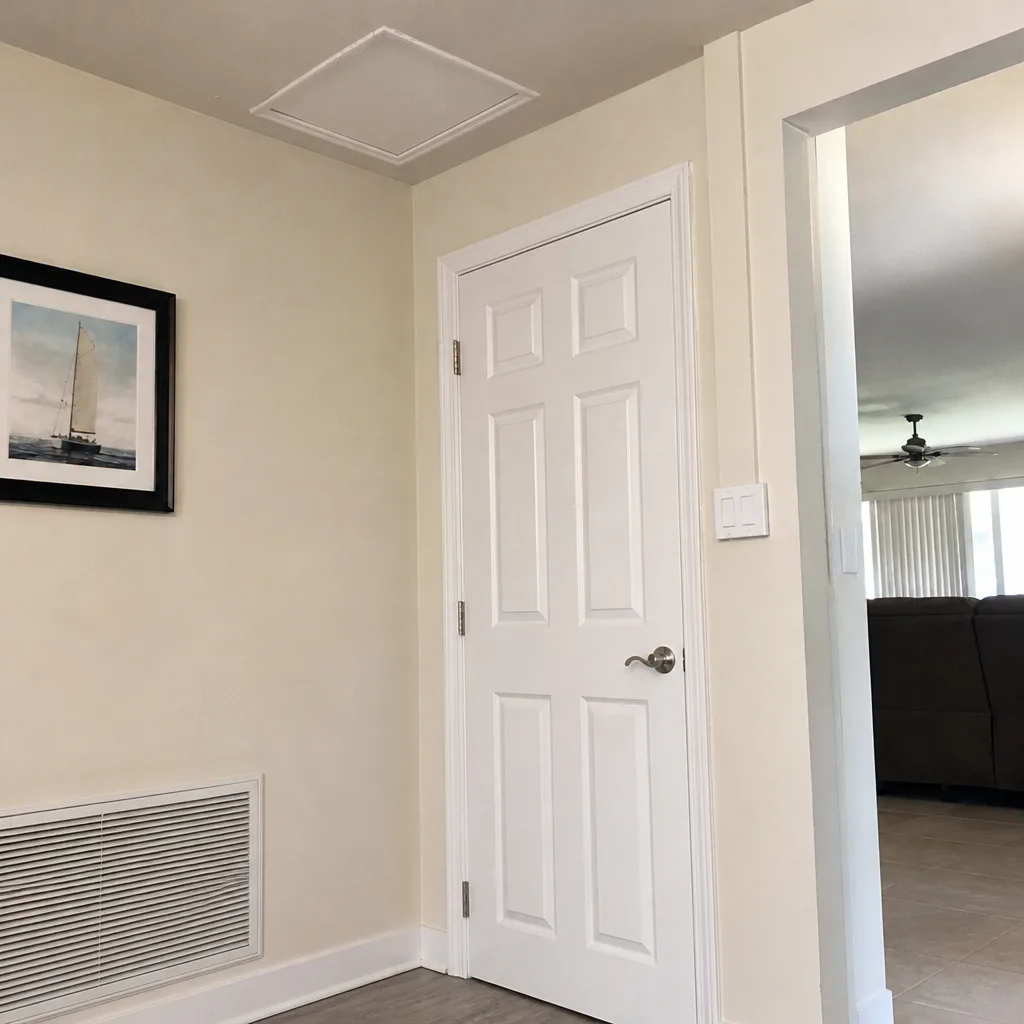 After
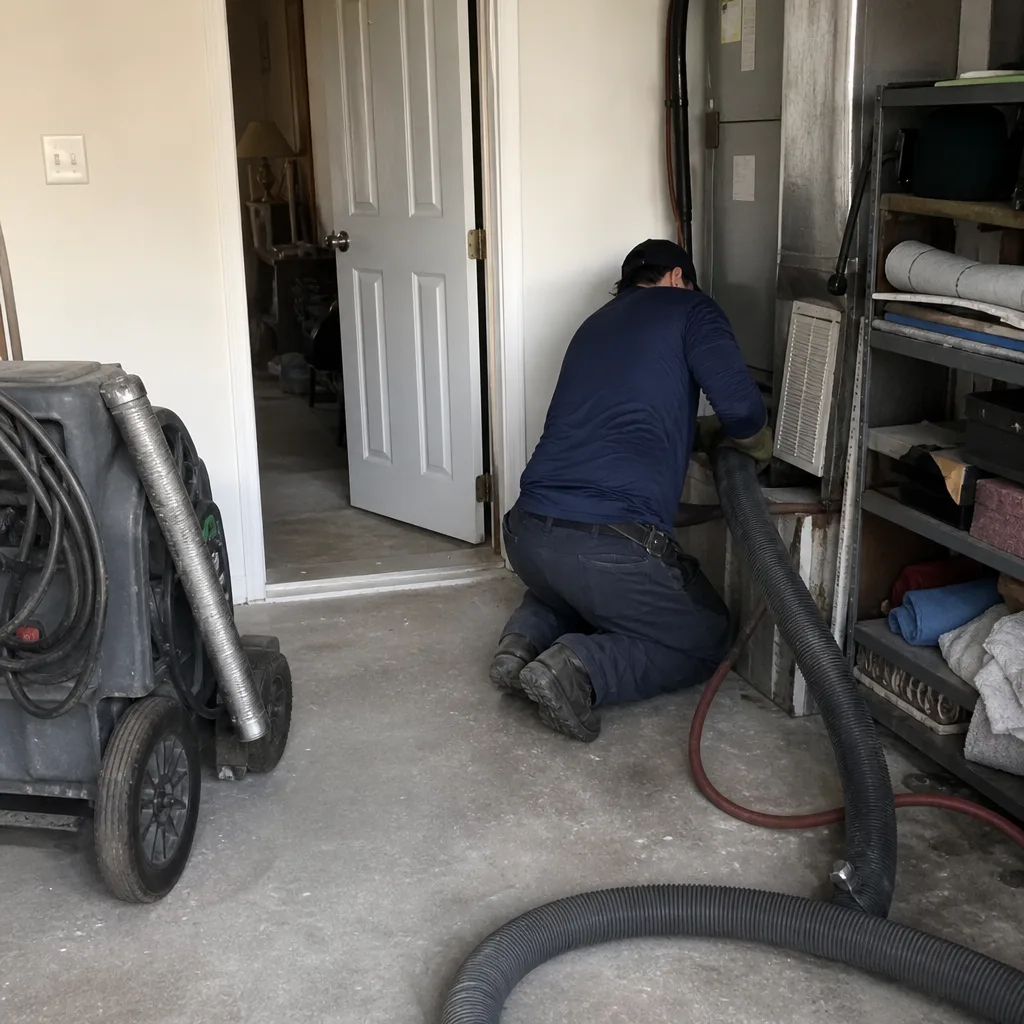 Before
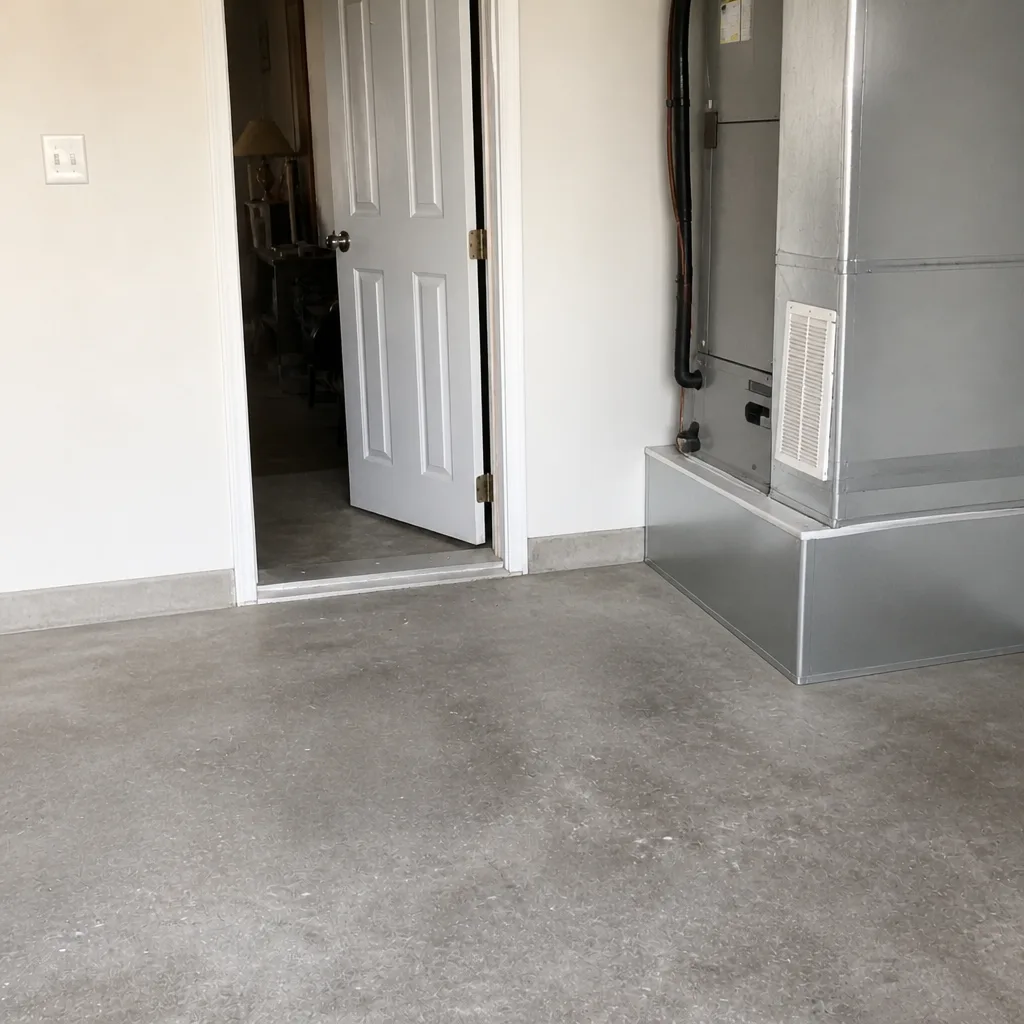 After
When to Call a Professional
Call a professional when the checklist shows something a visual inspection can’t answer – persistent musty odors, visibly accumulated debris inside the duct interior, a moisture event you’ve confirmed, or an airflow trend that two seasons of logging shows is getting worse. Also call when you see duct damage: separation at flex connections, crushed runs, or contamination reaching insulation. If you’ve moved into an older Cape Coral home and there’s no maintenance record, a one-time professional inspection is the fastest way to establish a baseline. We answer 24/7, and the estimate is free. Fast dispatch from 7am to 7pm, Sunday through Friday; we’re closed Saturday. Duct Cleaning Cape Coral offers free estimates in Cape Coral – call (877) 384-7616 for an honest whole-system quote and a walk-through of what needs cleaning versus what needs repair.
Frequently Asked Questions
Every 3 to 5 years for most Cape Coral homes, but the run time here makes a shorter cycle worth considering. Because the system runs 10 or 11 months a year, an inspection every 12 months and cleaning every 3 to 4 years is often the right call. If you’ve had a moisture event or live near active construction, clean sooner. Call (877) 384-7616 for an exact quote on your home.
Because the work is different. A low quote often means a shop-vac setup with no rotary agitation and no negative-pressure containment, which means loose debris gets stirred up and pulled into the airstream instead of removed. The price per job should be a whole-system estimate, not a per-vent price, and it should be written down before work starts. Ask what equipment will be used and whether the estimate is per system or per vent.
Not effectively and not safely on the duct interior. A shop vac can’t reach deep runs, can’t create negative pressure to keep dust contained, and doesn’t agitate the debris that clings to duct walls. The risk is that you’ll move contamination into the airstream without removing it. Stick to filter changes, grille cleaning, and the visual checks described above; leave the duct interior to professional equipment.
It can help when the ductwork is the source of the problem, which in our experience is often the case when airflow is soft, odors persist at registers, or a structural repair has been ignored. It won’t fix an allergy problem caused by something outside the system – pets, outdoor pollen, or a poorly functioning filter set. Start with the checklist, and if the signs point to the ducts, an inspection tells you for sure.
Cleaning removes debris from the duct interior; repair fixes the structural problems that cause contamination to build up in the first place. Separations, crushed runs, and loose connections are repair issues, and cleaning without repair leaves the root cause in place. We handle both as part of the same job so the system stays clean after we leave.
At least once a year, and more often if you notice drying times lengthening or the outside flap stops opening fully. Our humid climate and longer dryer vent runs in open-garage layouts make lint accumulation more likely at elbows and transitions. Since the same crew handles both dryer vent cleaning and HVAC work, it’s worth booking together – and if you’re wondering, call (877) 384-7616 for a single combined estimate.
The Bottom Line
Cape Coral duct maintenance isn’t a once-a-year task; it’s a seasonal rhythm driven by our dry-season pollen load, wet-season moisture risk, and the near-continuous run time of every home’s HVAC system. Build your log, set your filter interval based on pollen and nearby construction, and know your flex duct connections and garage-adjacent returns by sight. Keep a written record so a professional isn’t guessing when something changes. And when a sign crosses from “check it later” to “get it looked at now,” call a service that assesses structure before it cleans, uses containment equipment as standard, and gives you a whole-system estimate in writing before work starts. That’s the difference between maintenance and a maintenance bill.
Written by the team at Duct Cleaning Cape Coral.