
Last updated November 15, 2026
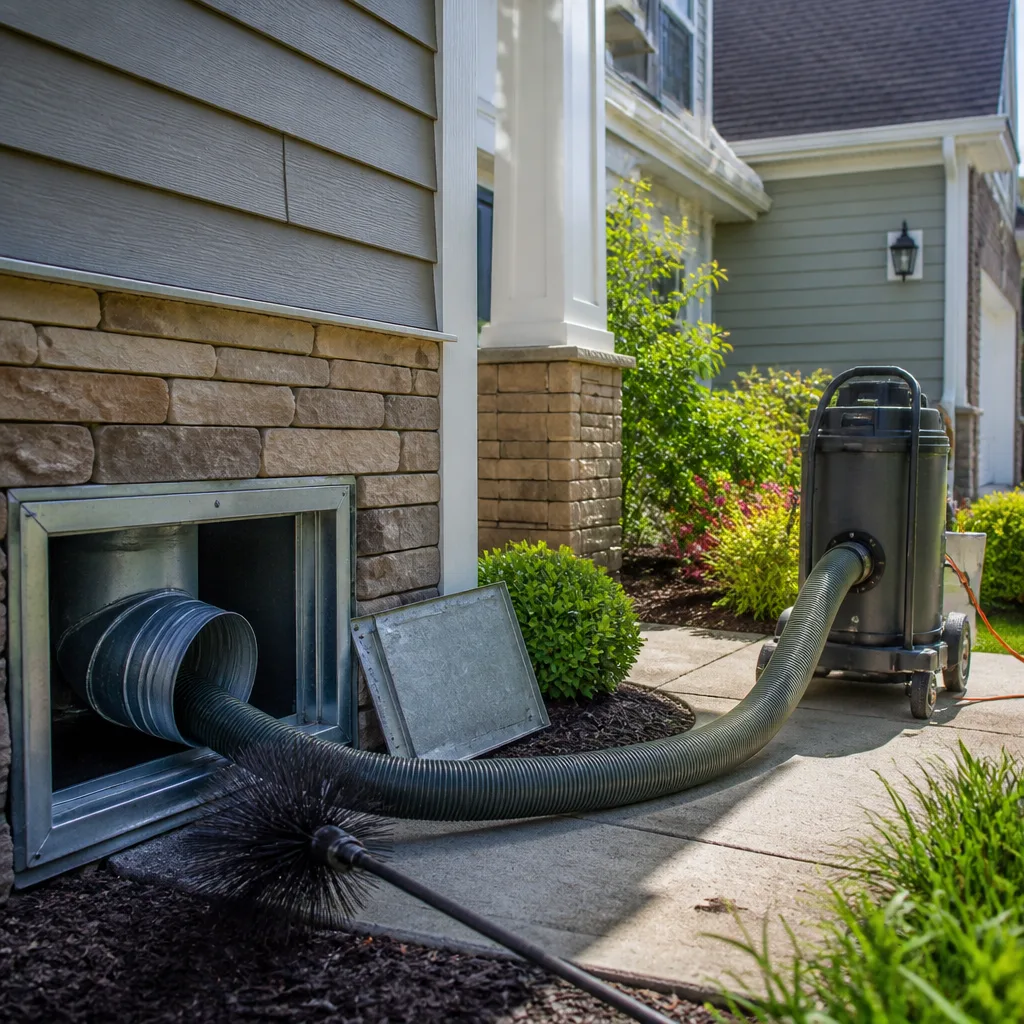 Whole-home duct cleaning
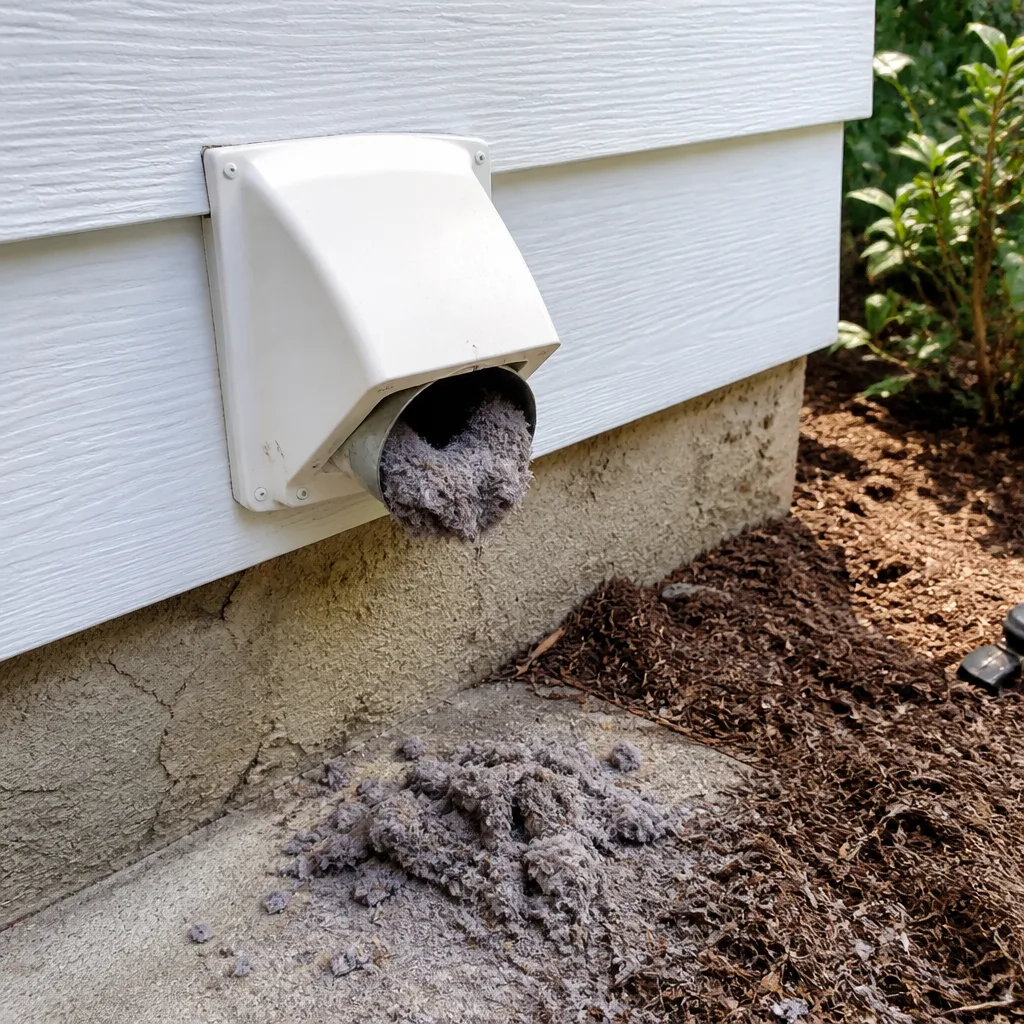 Dryer vent cleaning
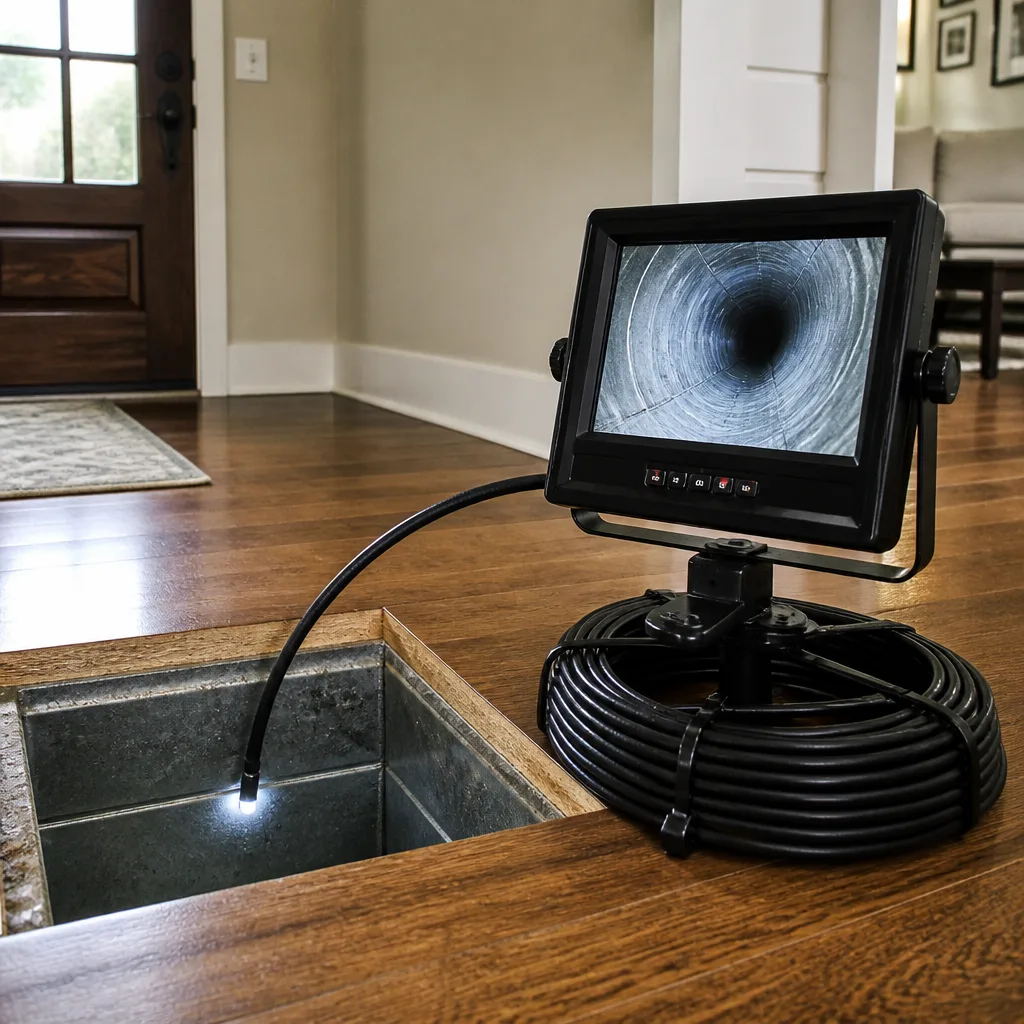 Camera inspection
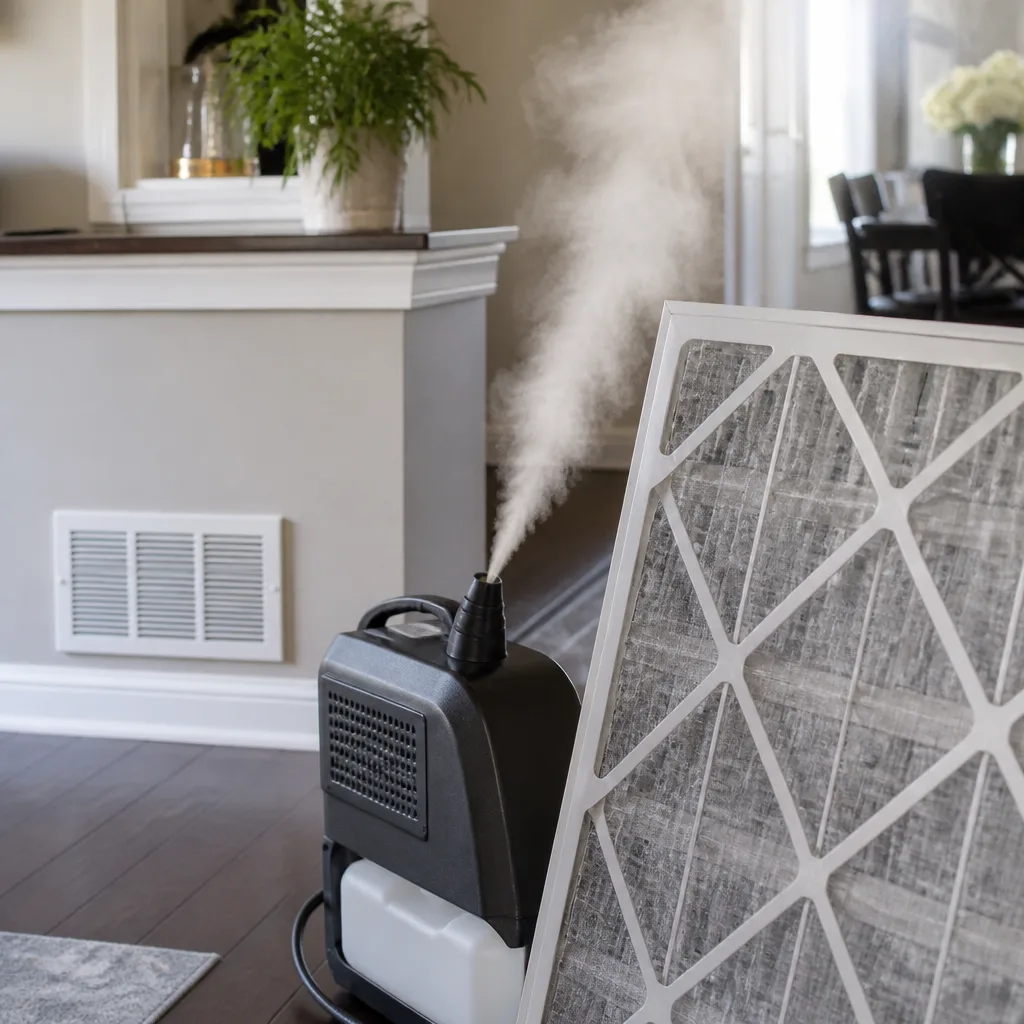 Sanitizing & deodorizing
Whole-system duct and dryer vent check with before-and-after photos - you see exactly what came out of your vents
That "$99 whole-house special" is a bait ad - the real number appears once they are in your hallway, or the "clean" is a shop-vac at the register. We photograph the inside of your ducts before and after instead.
Air Duct Cleaning Cost Breakdown: The Cape Coral Homeowner’s Reference for 2026
A $99 whole-house duct cleaning offer isn’t a bargain. It’s a business model, and the low number at the top of the ad is designed to get a technician inside your home where the real pricing conversation begins. Anyone who has watched the contractor-review threads on local neighborhood pages has seen how that script goes: the teaser price covers a “basic” pass, then the technician finds something urgent that doubles or triples the invoice before they pack up. What you’re reading here is the opposite. A realistic breakdown of what duct cleaning in Cape Coral actually costs in 2026, what legitimately drives the number up or down, and how to tell a technical quote from a marketing quote. By the end you’ll know what to ask before you book, and how to spot the difference between a legitimate cleanup and a thin vacuum job with a markup.
Quick Answer
Air duct cleaning in Cape Coral in 2026 typically runs $350 to $700 for a standard single-story home, with larger or more contaminated systems pushing $800 to $1,400. The price is driven by system size, duct material, access difficulty, and contamination level, not by the contractor’s marketing. Anyone quoting under $200 for a whole-house job is almost certainly leaving out the work that actually matters, or planning to sell it back to you once they’re on site.
Styles & brands we work with
- Whole-home duct cleaning
- Dryer vent cleaning
- Camera inspection
- Sanitizing & deodorizing
Table of Contents
- What Actually Drives Duct Cleaning Cost in Cape Coral
- 2026 Price Ranges by Job Size and Complexity
- Why Cape Coral Homes Built Before 1990 Cost More to Clean Correctly
- Legitimate Add-Ons vs. Upsell Pressure
- How to Compare Quotes: Cost-Per-Vent vs. Flat Rate
- The Real Cost of a Cheap Cleaning
- When the Ducts Need Repair, Not Just Cleaning
- What a Proper Cleaning Looks Like, Step by Step
What Actually Drives Duct Cleaning Cost in Cape Coral
Four variables move the price on a duct cleaning quote: system size, access complexity, contamination level, and equipment capability. Everything else is marketing. Understand how each works and you can read a quote in about thirty seconds.
System size. A home with eight vents and a single central air handler is a fundamentally different job than a two-story with twenty-two vents, a zoned system, and two return trunks. The number of vents matters less than the linear footage of ductwork, the number of return runs, and how many separate systems the home has. Linear footage is the metric a serious contractor will ask you about, or measure, before quoting.
Access complexity. Some homes have accessible flex duct in an open attic. Others have chases buried behind drywall, tight truss bays, or a return chase that requires opening a wall. Every access point that has to be cut and resealed adds labor. In Cape Coral, where attic spaces get genuinely brutal from May through September, tight-lot construction and low-pitch roofs often mean a technician is working in a crawl-height space with no shade. That’s time, and time is what the honest quote reflects.
Contamination level. A lightly dusted system takes a mechanical brush pass and a HEPA extraction. A system that has never been cleaned in fifteen years, has visible debris in the return plenum, or has had a pet household with dander loading the coil, needs more passes, more filtration time, and often a sanitizing step.
Equipment capability. This is where the $99 quote collapses. Truck-mounted or portable shop-vac rigs pull a fraction of the air volume and pressure that a rotary brush system with negative-pressure HEPA containment delivers. Professional outfits use equipment like the Rotobrush rotary brush line to actually agitate and lift debris off duct walls, paired with Nikro or Abatement Technologies negative-air units to hold the dust down and filter it. Cheap rigs vacuum the loose dust in the return and move on. The wall contamination stays put.
None of this is unique to Cape Coral. But the specific blend of home ages and construction types here shapes what a realistic quote looks like. More on that below.
2026 Price Ranges by Job Size and Complexity
These are typical estimated ranges for a whole-system cleaning, not per-vent pricing. The written estimate you receive after the technician inspects your setup is the number that governs. Use these to sanity-check any quote you’re given.
| Job Profile | Typical Configuration | Estimated 2026 Range |
|---|---|---|
| Standard single-story, lightly soiled | 9-14 vents, one system, accessible attic | $350 – $550 |
| Larger single-story or two-story, moderately soiled | 15-22 vents, one or two systems | $550 – $850 |
| Heavily contaminated, pet household, or long interval since last cleaning | Any size, visible debris, coil involvement | $750 – $1,100 |
| Complex access or multiple systems | Zoned systems, chases, tight access, plus repair | $900 – $1,400+ |
| Dryer vent cleaning, single run | Independent service, residential | $125 – $225 |
| Air duct repair, targeted | Isolated leaks, disconnected runs, crushed flex | $200 – $800 (varies widely) |
A few things to notice. First, the floor on a legitimate whole-house cleaning is around $350. Below that, the math on labor and filtration doesn’t work. Second, the ceiling is high because Cape Coral has a genuine mix of small 1970s ranch homes and newer larger builds, and a two-system house pays for two systems getting cleaned, not one.
Dryer vent cleaning is a separate service and priced independently. We treat it as a fire-safety job, not an add-on sold at the end of a duct cleaning. If a contractor throws it in “for free” with a duct cleaning quote, ask what equipment they’ll use on the vent itself.
Why “per vent” quotes mislead
A vendor quoting “$30 per vent” sounds transparent. It isn’t, because the number of vents has very little to do with how much work a system requires. A home with twelve vents on a single trunk with tight attic access is a bigger job than a home with eighteen vents on a wide-open truss system. Per-vent pricing averages out the easy jobs and the hard ones, then quietly charges the hard ones a premium on top anyway. Whole-system pricing is how a technically serious contractor quotes.
Why Cape Coral Homes Built Before 1990 Cost More to Clean Correctly
If your home was built before roughly 1990, expect your duct cleaning quote to run 15 to 30 percent higher than a newer build of the same square footage. That bump is legitimate. Here’s why.
Older Cape Coral housing stock tends to have rigid metal ductwork rather than the flexible insulated duct that became standard later. Rigid metal, done well, is arguably a better duct system. But it also means seams, joints, and transitions that collect debris in ways flex duct doesn’t, and it means more mechanical work to clean properly because the brush can’t just be pushed through a soft run. Each seam and elbow is a place where ten years of dust has quietly settled in a way that a shop vac won’t reach.
Older insulation materials also require careful handling. Some homes from this era have internal duct liner or insulation facing that has begun to break down. A rotary brush run at the wrong pressure can shred a deteriorating liner. That’s the kind of damage that turns a cleaning into a repair. A contractor using the right brush style and variable speed control knows to check liner condition first, then set the cleaning to match.
And then there’s the return plenum. In older Cape Coral homes, the return chase is often built into the wall structure rather than run through the attic. That means the “return” isn’t really a duct at all; it’s a cavity between studs. Getting it clean and resealing it properly takes a different approach than a flexible return run in a modern build.
Every one of these factors is why a quote on an older Cape Coral home should be visibly higher than a quote on a 2015 build next door. If your contractor is charging the same rate for both, one of two things is happening: they aren’t planning to do the appropriate work on the older home, or they aren’t planning to do the appropriate work on the newer one either.
Legitimate Add-Ons vs. Upsell Pressure
The single most common place a duct cleaning invoice inflates is the add-on menu presented on site. Some items are legitimately needed. Others are almost never necessary. Knowing the difference is the difference between a $500 invoice and a $1,200 one.
Legitimate add-ons:
- Coil cleaning. Often genuinely needed. The evaporator coil sits wet for months in Cape Coral’s humid summers, and pet dander plus dust form a biological mat that reduces heat transfer efficiency. Cleaning it alongside the ducts makes sense in a way that cleaning it alone doesn’t. If the coil is visibly fouled, add this.
- Blower wheel cleaning. Same logic. A caked blower wheel moves less air and pulls more amps. Legitimate when inspection shows caking.
- Targeted duct repair. If the technician finds a disconnected run, a crushed section of flex, or a leaking plenum, repairing it belongs in the job. Cleaning a leaky system and leaving it leaky is expensive theater.
- Return plenum sealing. Especially in older Cape Coral homes. A leaking return pulls attic air straight into the living space. Sealing it is real work with a real outcome.
Frequently unnecessary:
- Antimicrobial fogging. This is the classic upsell. Fogging treats surface microbes but doesn’t remove the debris they’re feeding on. If the source removal is done properly, the antimicrobial spray is usually redundant. If the source removal is not done, the antimicrobial spray is a bandage. Ask what specific problem the fogging solves. If the answer is vague, decline it.
- “Sanitizing” without cleaning. Same category. A sanitizer applied to dirty duct surfaces is wasted product.
- UV lights sold on the spot. Legitimate in some installations, but that’s a design decision to make after the cleaning, not a decision to make in your driveway from a technician with a box in hand. Ask for a written recommendation to consider.
- Duct encapsulation or coating. Rarely needed in a residential system that isn’t already failing.
The rule of thumb: any add-on that comes with a photo of your actual duct interior, an explanation of what problem it solves, and a written price is probably legitimate. Any add-on that comes with pressure, urgency, or “today only” framing is not.
How to Compare Quotes: Cost-Per-Vent vs. Flat Rate
Two pricing models dominate the market, and the model a contractor uses tells you a lot about the process behind the number.
Cost-per-vent pricing is easy to advertise and easy to compare on a spreadsheet. The problem is that per-vent quotes vary enormously in what’s actually included. One contractor’s $30 per vent includes negative-pressure containment, mechanical brushing, and HEPA extraction. Another’s $30 per vent is a shop vac pulled across each register for ten minutes. Same headline number, incompatible work. If you’re comparing per-vent quotes, the only fair comparison is what equipment shows up.
Flat-rate whole-system pricing is what serious contractors tend to use because it lets them quote the work the system actually requires. The downside for the homeowner is that flat-rate quotes aren’t as easy to line up side by side, which means you have to read what’s included.
Here’s the checklist to use when comparing two quotes:
- Ask what equipment they’ll bring. Specifically. Rotary brush? Negative-air HEPA unit? What brand? A quote that can’t answer this is a quote with no plan behind it.
- Ask how they’ll protect your home during the job. Containment is the single biggest differentiator between a $99 job and a $600 job. Professional outfits use air filtration devices to hold dust down.
- Ask if they photograph before and after. If they do, ask to see examples. Photos of the actual duct interior are the only verifiable proof the work happened.
- Ask whether repair is included or identified. A contractor who doesn’t inspect for leaks and disconnections isn’t doing a full job.
- Ask what happens if they find contamination they didn’t quote for. The answer should be a conversation, not a surprise invoice. One flat price per system, agreed before work starts, is the model that removes the pressure.
If two quotes differ by more than 50 percent on the same home, one of them is not doing the same work. Your job in comparing them is to figure out which one, and the answer is almost always in the equipment and the containment.
The Real Cost of a Cheap Cleaning
A $99 or $149 whole-house duct cleaning is not a low-cost version of the real thing. It’s a different product entirely, and the true cost shows up over the following months.
Re-contamination. Source removal means getting the debris out of the system, not just knocking some of it loose. A cheap vacuum pass pulls surface dust from the accessible trunk and return but leaves the adhered layer on the duct walls, the contamination in the joints, and whatever’s settled in the branch runs untouched. That layer starts trapping new dust immediately. In Cape Coral, where the AC runs almost continuously for eight months of the year, that re-accumulation is visible to anyone who pulls a register within a few weeks. The system looks dirty again because it never really got clean.
HVAC efficiency losses. A dirty system is a higher-static-pressure system. The blower works harder to move the same air, the coil runs with less contact time, and the whole system runs longer cycles to hold setpoint. Homeowners chasing rising electric bills often start with thermostat upgrades and insulation when the actual restriction is inside the ductwork. If your system is fifteen years since a proper cleaning and you’re seeing higher summer bills, that’s a data point worth checking before you spend money on anything else.
Collateral damage. Cheap vacuum rigs, run at the wrong pressure through aging metal duct or deteriorating liner, can dislodge or tear material. When that happens, the “cleaning” becomes a repair bill plus the cost of the cleaning you still have to pay for. A contractor using the right equipment with appropriate containment avoids this; a bargain rig stumbles into it.
None of this means you need the most expensive quote on your shortlist. It means the price is a lower bound problem. A legitimate whole-house cleaning on a Cape Coral home has real labor and real equipment behind it. There’s no honest way to deliver that for the price of dinner out.
When the Ducts Need Repair, Not Just Cleaning
Sometimes the right quote for your system isn’t cleaning at all. It’s a repair. Wiring a cleaning invoice to a system that has a disconnected duct, a crushed flex run, or a leaking plenum is a way of hiding the problem, not solving it. The contamination in a leaking system comes from the leak.
Common duct problems we look for during a Cape Coral inspection:
- Disconnected runs. Particularly in homes where flex duct has been pulled or pinched during attic work. A disconnected run is blowing conditioned air into the attic and pulling attic air into a bedroom.
- Crushed or kinked flex duct. Sharp bends restrict flow and accumulate debris at the kink point.
- Leaking plenum or chase connections. Common in older Cape Coral homes where the return chase sits inside the wall cavity. Leakage here pulls attic or wall-cavity air into the living space.
- Deteriorating internal liner. Fibrous liner breakdown releases particles into the airstream. This has to be addressed before cleaning, not during.
- Missing or damaged register boots. The metal boot that connects duct to floor or ceiling register is often the weakest point in a system.
Air duct repair as a service line exists precisely because a serious duct contractor gets called out on cleaning jobs and finds these problems. If the contractor doesn’t offer repair, they either miss the problems or tell you about them and hand you off. Both cost you time. We repair the ducts, we don’t just clean them, and the same team handles both, which is the only way the cleaning and repair actually coordinate.
If you’re unsure whether your system needs cleaning or repair, that’s what an on-site assessment is for, and it’s free. You can reach us for a scheduled assessment of your air duct cleaning needs and we’ll tell you honestly which one you’re looking at.
What a Proper Cleaning Looks Like, Step by Step
This is how a legitimate whole-house cleaning on a Cape Coral home runs, start to finish. If a contractor’s process diverges significantly from this, the invoice will too.
- Assessment. Registers and returns are opened and inspected. Duct material, liner condition, and access points are documented. Any obvious leaks or disconnections are photographed. The written estimate follows.
- Containment setup. Negative-air equipment is connected at the trunk to hold the entire system under negative pressure during cleaning. This is what keeps the dust inside the system and out of your living space. Professional outfits use air filtration devices designed for contaminant and remediation work, not open-air vacuums.
- Mechanical agitation. Rotary brush equipment runs each branch run and the main trunk, breaking adhered debris off the duct walls. The specific brush style and speed are chosen based on material: rigid metal takes a different approach than flex, and liner condition dictates what’s safe to run.
- HEPA extraction. Contaminated air is pulled through HEPA filtration under continued negative pressure. Anything loosened during agitation is captured in the filtration, not pushed into the return plenum or the living space.
- Coil and blower inspection. With the system open, the evaporator coil and blower wheel are inspected. A caked coil or blower is the difference between a cleaning that works and a cleaning that looks like it worked.
- Repair of identified issues. Any disconnections, leaks, or crush damage found during the job are fixed. The estimate you were given is what the final invoice matches.
- Before-and-after documentation. Duct interiors are photographed before and after cleaning. You should see the photos. They’re the only verifiable proof the work happened.
- Reassembly and verification. Registers are reinstalled, the system is restored to operation, and airflow at the registers is verified so you know the system returned to normal before the truck pulls away.
The equipment matters at every step. We run Rotobrush rotary brush systems for agitation, Nikro negative-pressure equipment for HEPA extraction, and Abatement Technologies filtration for containment. Same tools used in professional restoration and mold-abatement work, because the principle is identical: hold the contamination, capture it, remove it.
If you’re also thinking about your dryer vent, that’s a separate job and worth getting on the same day. The scope differs, but the urgency is real: a clogged dryer vent is a fire waiting to be lit. For a scheduled visit that covers the dryer vent cleaning alongside the ducts, call the number below.
Common Mistakes to Avoid
- Picking the lowest quote. The cheapest quote is almost always a quote for a different, smaller job than the one you need. Add up what the contractor is actually planning to do before you compare the number.
- Not asking what equipment will be used. A truck-mounted vacuum and a rotary brush with negative-pressure HEPA containment are two different products with two different prices. If you don’t know which one is coming, you don’t know what you’re buying.
- Accepting antimicrobial fogging without a specific reason. Fogging without source removal is decoration. Ask what problem it solves and decline if the answer is vague.
- Believing the “we’re in your neighborhood today” pitch. Legitimate duct cleaning businesses schedule work. Unannounced door-knock offers in Cape Coral are a red flag, not a bargain.
- Skipping the before-and-after photos. Photography of your actual duct interior is the only proof the cleaning happened. Any contractor who doesn’t offer this is asking you to trust the invoice.
- Treating dryer vent cleaning as an add-on. It’s a separate service with its own equipment and safety stakes. Baking it into a duct cleaning quote “for free” usually means it isn’t done.
- Ignoring a soot or musty smell after cleaning. If your system smells worse after cleaning, the source removal wasn’t complete, or a leak was missed. Call the contractor back. That’s what a proper close-out inspection prevents.
- Cleaning a system with an unaddressed leak. Ten minutes of cleaning, followed by days of leaking conditioned air into the attic, is an expensive way to not solve the problem. Repair first, or repair during.
See the difference
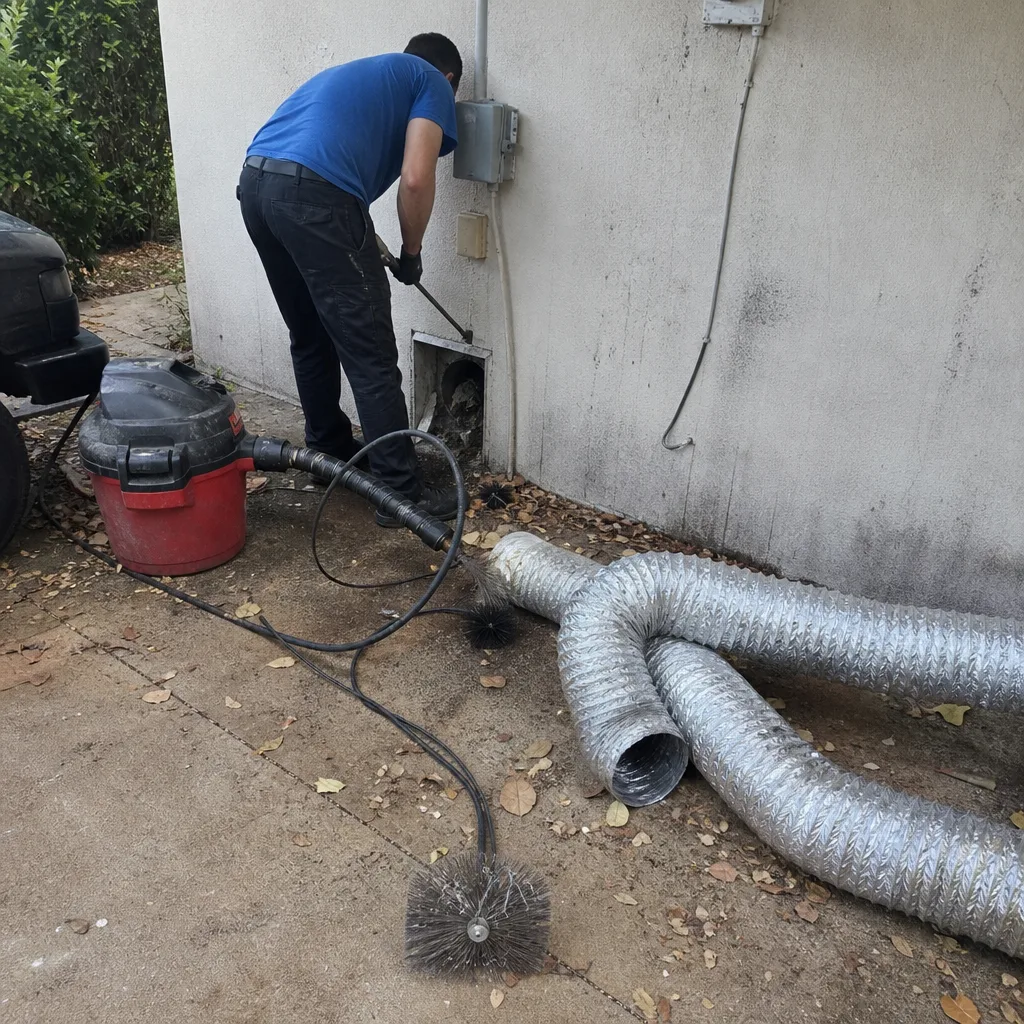 Before
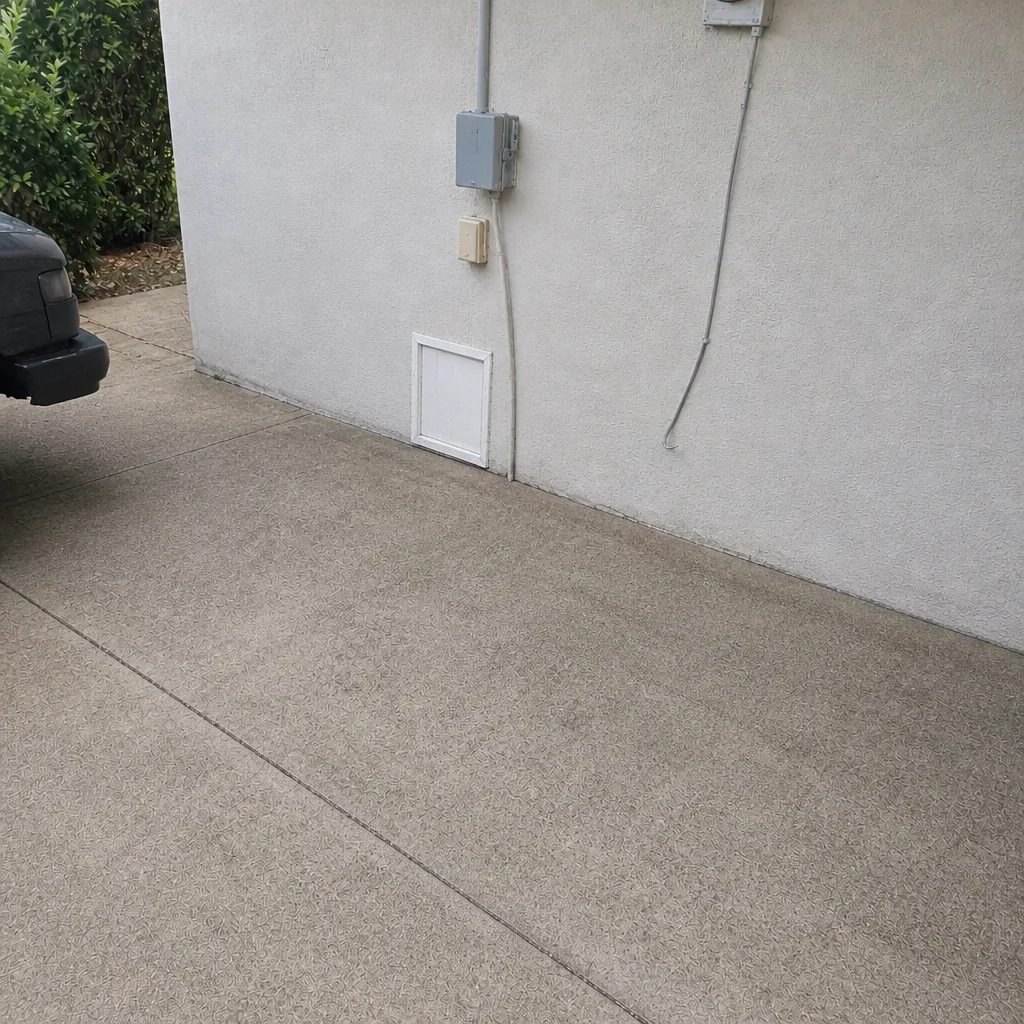 After
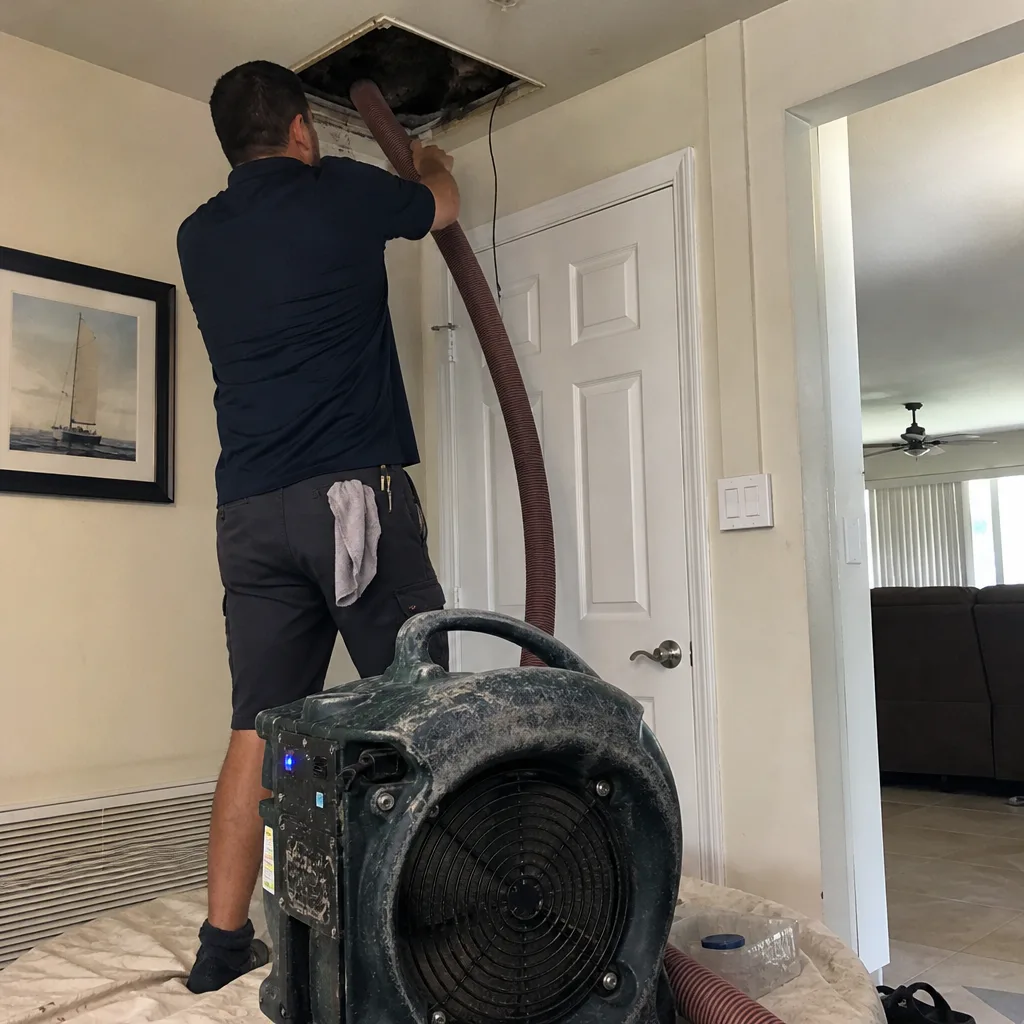 Before
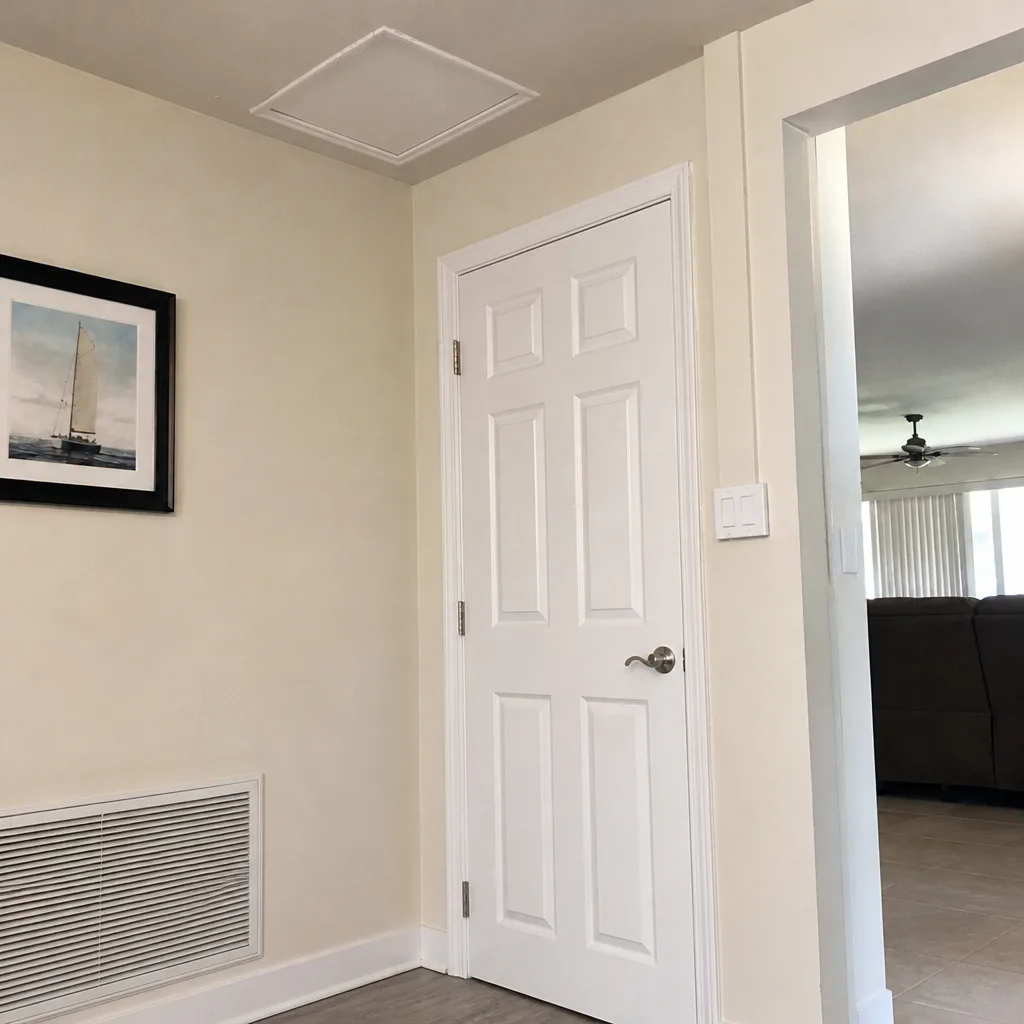 After
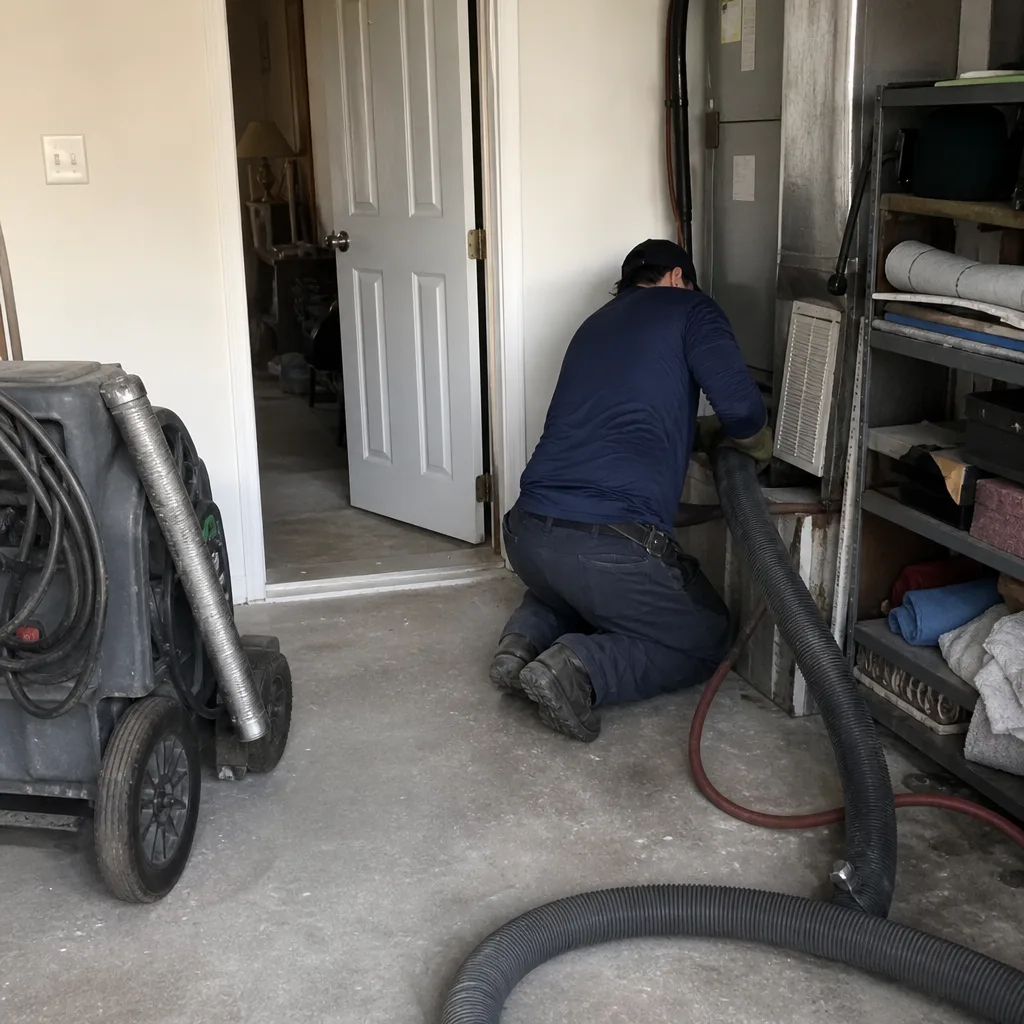 Before
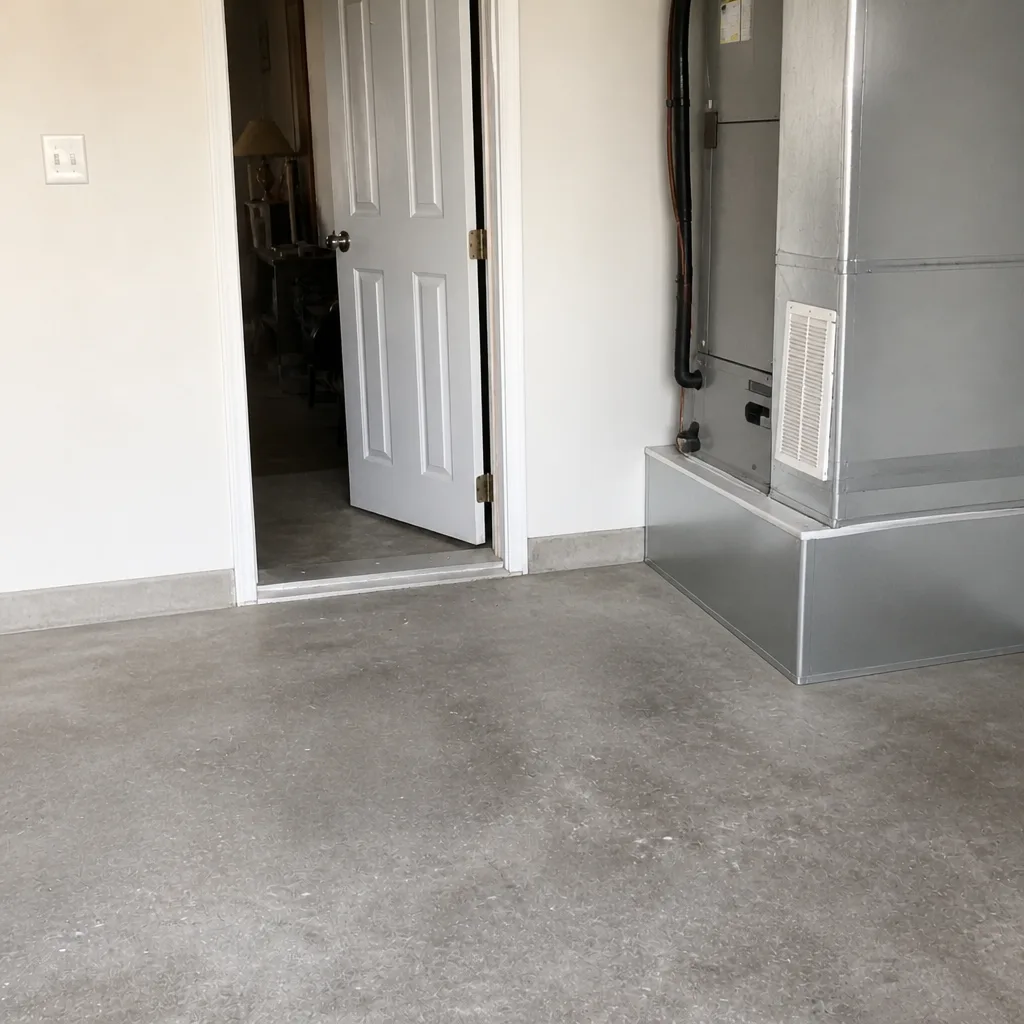 After
When to Call a Professional
Duct cleaning is not one of those things you schedule on a calendar just because a year has passed. The right trigger is a specific signal, and there are several worth knowing.
Call a professional when you notice visible dust puffing out of registers when the system starts, when a musty or stale smell emerges every time the AC kicks on, when recent attic work has disturbed the duct runs, when a household member’s allergies or asthma have gotten noticeably worse with the house closed up, or when your summer electric bill has drifted up without an obvious cause. Call when you’ve moved into a Cape Coral home and haven’t seen documentation of a prior duct cleaning. Call when a dryer is taking two cycles to dry what used to take one.
The other trigger is inspection. If a recent HVAC service call mentioned “visible debris in the return” on the work order, that’s a signal worth acting on.
Duct Cleaning Cape Coral offers free estimates in Cape Coral. Call (877) 384-7616 to schedule. We answer 24/7. Fast dispatch from 7am to 7pm, Sunday through Friday.
Frequently Asked Questions
A whole-house cleaning in Cape Coral in 2026 typically runs $350 to $700 for a standard single-story home, and $800 to $1,400 for larger, more complex, or heavily contaminated systems. Anything under $200 for a whole-house job is a teaser price, and the real number will appear after the technician arrives. Call (877) 384-7616 for an exact quote. The estimate is free, and the written price governs the work.
Because they’re often quotes for less work. The equipment gap alone explains most of the difference: a shop-vac rig costs a fraction of what a rotary brush system paired with negative-air HEPA containment costs to run. Contractors offering a cheap price also tend to count on add-on sales to make the job profitable, so the low entry number is not the final invoice. When comparing quotes, ask what specific machines will show up and whether before-and-after photos are provided. Call (877) 384-7616 to see our written quote and compare line by line.
Ask for before-and-after photos of your own duct interiors. Any legitimate contractor photographs the system before cleaning, after cleaning, and documents any repair made along the way. A contractor who isn’t taking photos either isn’t proud of the result or doesn’t want to show it. Photos of your ducts are your evidence; take them seriously as part of what you’re paying for. Call (877) 384-7616 to schedule a cleaning with documented results.
Most homes don’t need cleaning on a fixed schedule. A typical Cape Coral home with no pets, no recent renovation, and no allergy concerns can go several years between cleanings if the system isn’t contaminated. The triggers are practical: visible debris in the return, musty smell on startup, recent attic or renovation work, pet dander buildup, or a home that changed hands without documentation. A free estimate will tell you honestly whether the system needs cleaning now or can wait. Call (877) 384-7616 for a scheduled assessment.
Usually not. Antimicrobial fogging treats surface microbes without removing the debris they’re feeding on. Once the source removal is done properly, the fogging is redundant. When a technician upsells fogging without explaining a specific problem it solves, decline. The money is better directed at actually cleaning the ducts correctly the first time. Call (877) 384-7616 to discuss what your specific system actually needs.
Because older Cape Coral homes typically have rigid metal ductwork with more joints and seams for debris to settle into, and sometimes have internal duct liner that requires careful handling. The return chase is often built into wall structure rather than run through the attic, which takes a different cleaning and sealing approach. All of that adds labor and requires more expertise, and a quote that ignores it isn’t doing the work the older home needs. Call (877) 384-7616 to walk through your home’s specifics before booking.
Yes. Dryer vent cleaning is one of our three core services, and we treat it as a fire-safety job, not a duct cleaning add-on. A clogged dryer vent is a leading cause of residential fires, and the fix is a dedicated visit with the right equipment, not a quick vacuum pulled through the flex. Call (877) 384-7616 to schedule the dryer vent cleaning Cape Coral alongside or independently of your duct work.
Air duct repair is a core service at Duct Cleaning Cape Coral alongside cleaning, because cleaning a leaky system and leaving it leaky is expensive theater. Disconnected runs, crushed flex, and leaking plenums are common in older Cape Coral homes and need to be fixed as part of, or before, the cleaning. We repair the ducts, we don’t just clean them. Call (877) 384-7616 for an assessment that covers both.
The Bottom Line
The number on a duct cleaning quote is a signal, not a promise. Legitimate whole-house cleaning in Cape Coral runs roughly $350 to $700 for a standard home and up to $1,400 or more for complex systems. Anything meaningfully below that floor is either a smaller job than you think you’re buying, or a setup for on-site upsells. Homes built before 1990 cost more because they need more careful work. Add-ons like coil cleaning and blower cleaning are frequently legitimate; antimicrobial fogging usually isn’t. And a cheap job doesn’t just fail to solve the problem; it silently lets re-contamination start the moment the technician leaves. If you want the work done once and done properly, the quote you compare against should be built on equipment, process, and documentation, not on a teaser number. That’s the whole test.
When you’re ready to see where your own home falls on the range, contact Duct Cleaning Cape Coral for a free written estimate. Call (877) 384-7616 and we’ll schedule a visit to assess the system, walk you through what it needs, and quote the price in writing before any work begins. One flat price per system, agreed before work starts, with before-and-after photos of your own ducts. If you’re looking for a broader view of what we do, you can see the full scope of our duct cleaning in Cape Coral services, and how we approach specific neighborhoods in and around Cape Coral FL. We answer 24/7. Fast dispatch from 7am to 7pm, Sunday through Friday.
Written by the team at Duct Cleaning Cape Coral.