
Last updated November 15, 2026
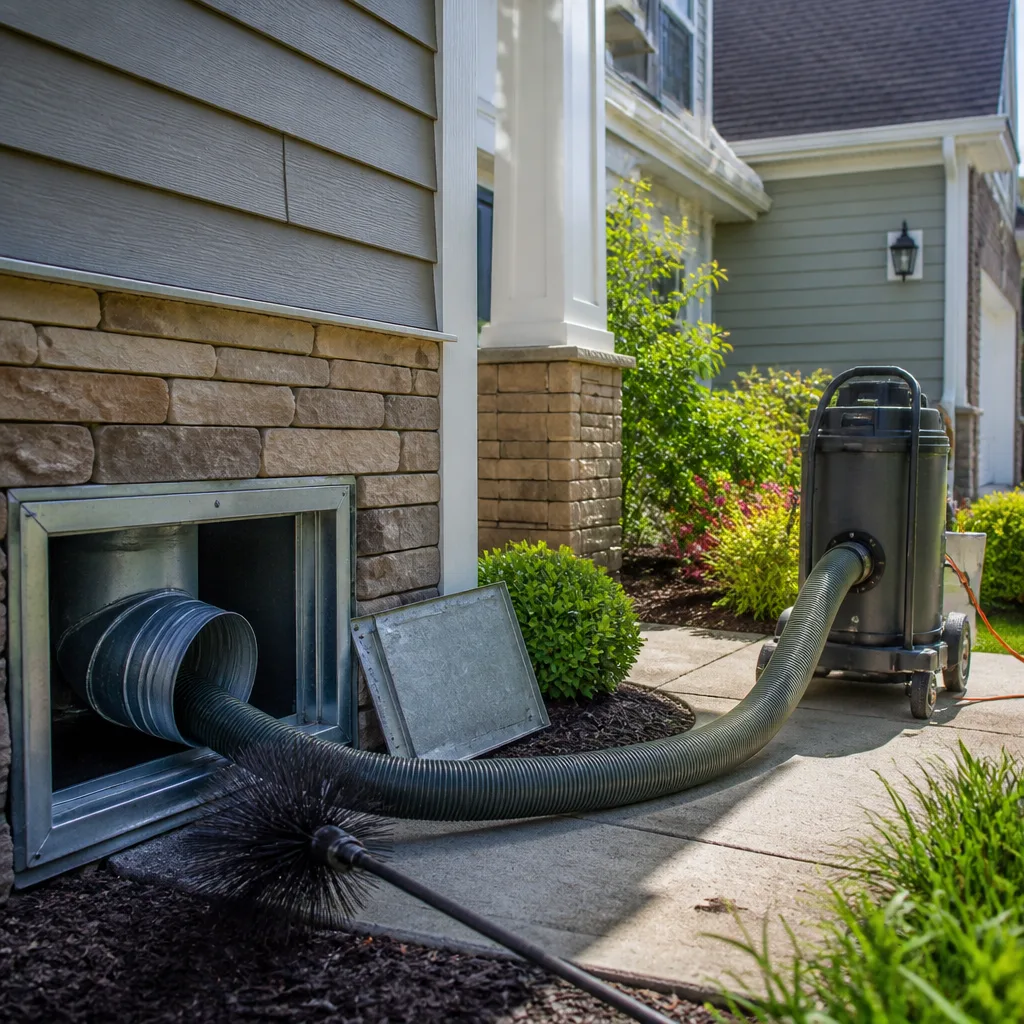 Whole-home duct cleaning
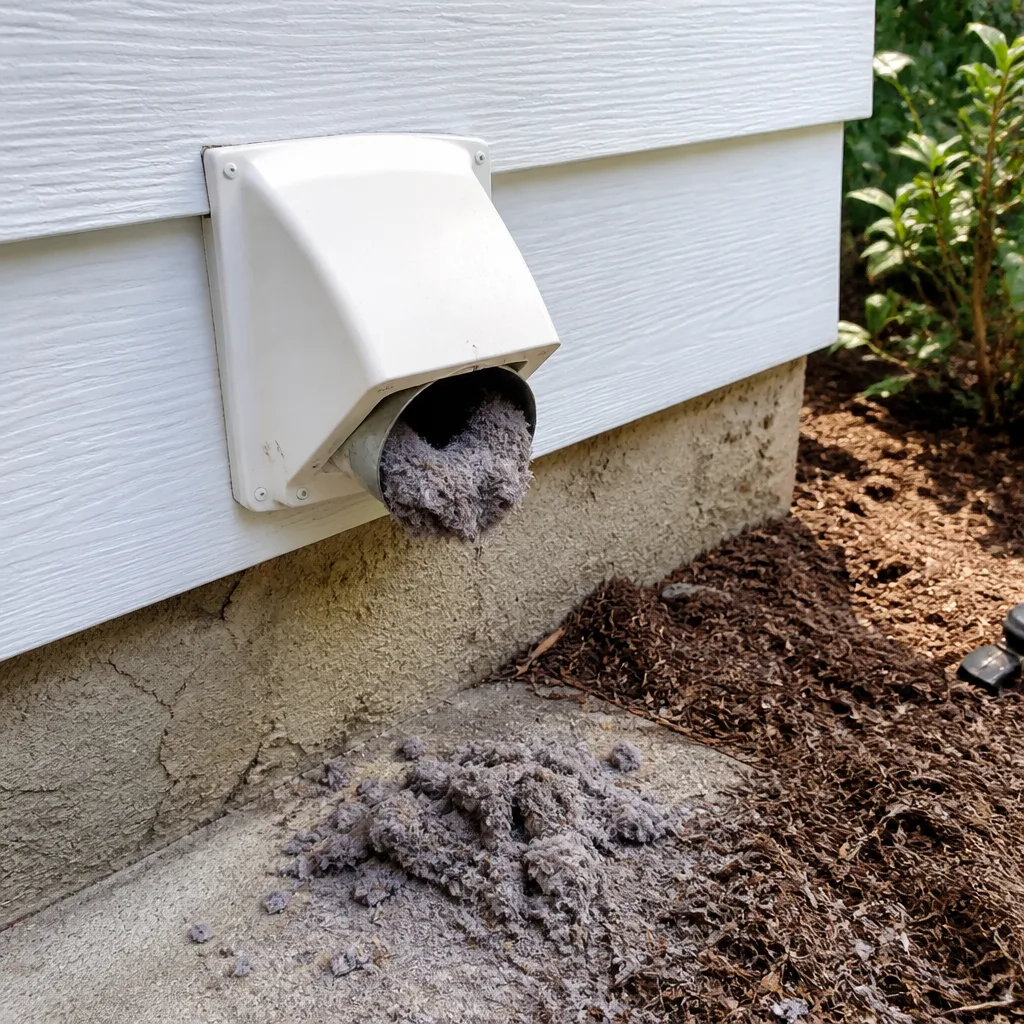 Dryer vent cleaning
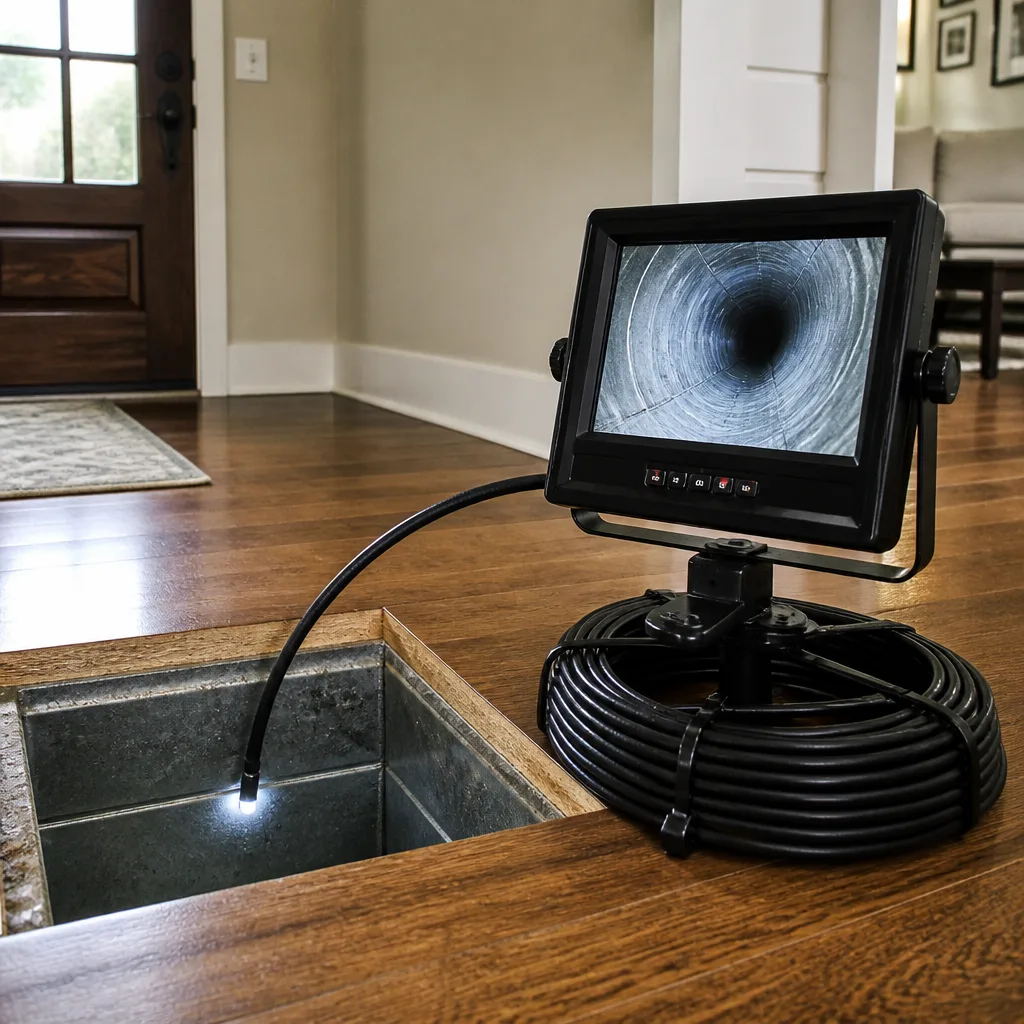 Camera inspection
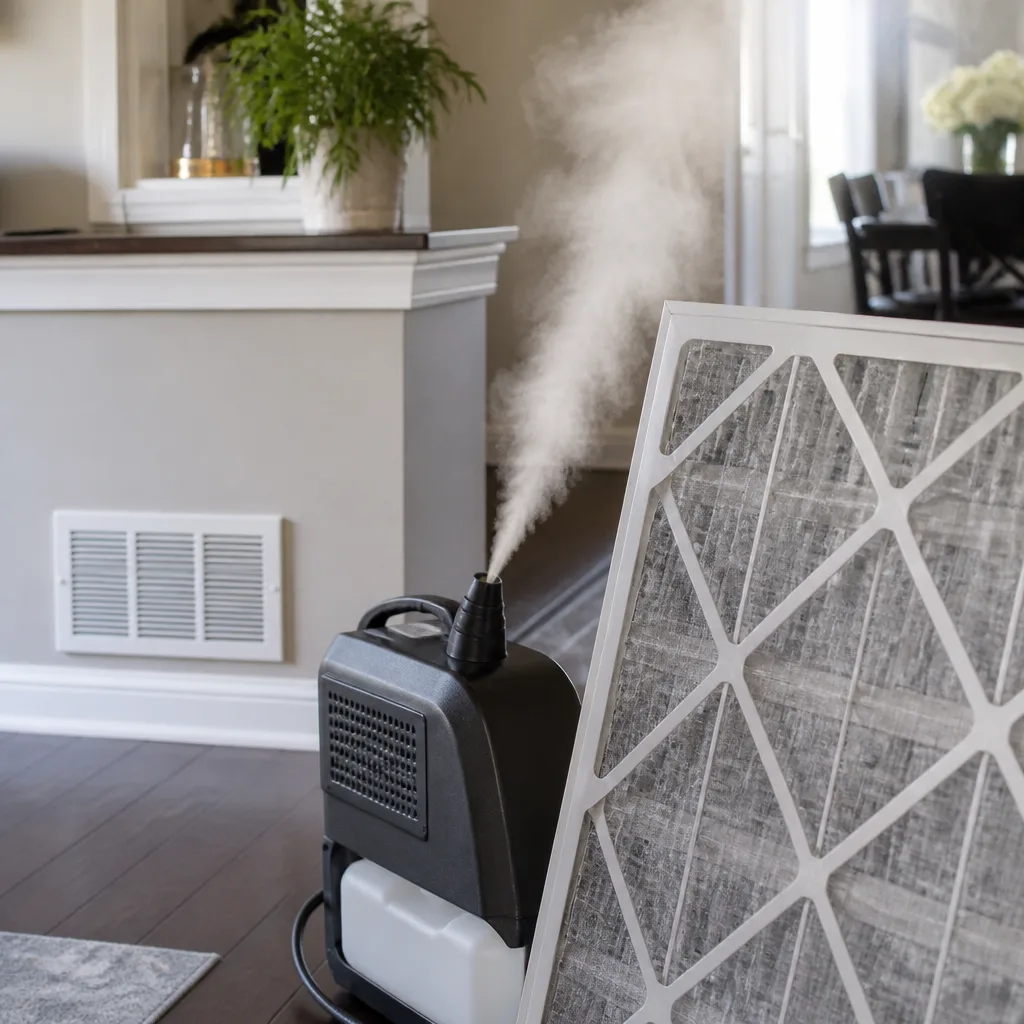 Sanitizing & deodorizing
Whole-system duct and dryer vent check with before-and-after photos - you see exactly what came out of your vents
That "$99 whole-house special" is a bait ad - the real number appears once they are in your hallway, or the "clean" is a shop-vac at the register. We photograph the inside of your ducts before and after instead.
Air Duct Cleaning Emergency Preparedness Guide for Cape Coral Homes
Most homeowners think about windows and roofs when a storm is forecast. The ductwork inside the attic rarely crosses anyone’s mind, and that’s the problem. After Hurricane Ian, Cape Coral homes that took on water often saw their duct systems become a distribution network for mold the moment the air conditioner was switched back on. The contamination was already inside the walls, sometimes before a single spot of mold showed on drywall. What follows is the protocol we walk homeowners through: how to protect duct integrity before a storm, what to inspect before restarting the system, how to document damage for an insurance claim, and how to tell a legitimate operator from a storm-chaser. This guide covers the whole cycle for Cape Coral.
Quick Answer
In Cape Coral, air duct cleaning after a hurricane matters because floodwater and wind-driven rain that reach a home’s ductwork leave behind moisture, silt and airborne mold spores that a running HVAC system then spreads through every room. The correct order is inspect first, document second, then decide between professional cleaning and full duct replacement based on whether the insulation liner is saturated. Cleaning is enough when contamination is dry surface soil or settled debris. Replacement is the right call when liner material has soaked up water or when the contamination type is microbial and the liner can’t be dried.
Styles & brands we work with
- Whole-home duct cleaning
- Dryer vent cleaning
- Camera inspection
- Sanitizing & deodorizing
Table of Contents
- Pre-Storm Preparation: Protecting Duct Integrity Before Landfall
- The Post-Storm Inspection Sequence
- Documenting Duct Condition for Insurance Claims
- Cleaning vs. Replacement: The Remediation Threshold
- Vetting Contractors During the Post-Storm Surge
- Restarting the HVAC System Safely
- Ongoing Duct Health in a Storm-Prone Climate
Pre-Storm Preparation: Protecting Duct Integrity Before Landfall
A hurricane gives you days of warning. That window is when you can keep contamination out of the duct system in the first place, and the effort is far smaller than cleanup afterward. The core idea is simple: if outside air can’t get into the ducts, wind-driven rain and airborne debris can’t either. Most of the work is done before the first feeder band arrives.
Shut down the HVAC system before the storm’s arrival, not during it. A running system pulls air through return grilles, and if a window or roof breach opens the envelope, the blower keeps pulling that moisture-laden air into the ducts and pressurizing the system. Power off the air handler and, if your unit has an outdoor disconnect, use it. This is a common step that Cape Coral homeowners skip because they’re focused on shutters.
Next, seal exterior penetrations. That means checking where the refrigerant lines, condensate drain and any fresh-air intake pass through the exterior wall. Existing sealant cracks over time. A bead of exterior-grade sealant applied before the storm keeps wind-driven rain from finding a path into the attic where ducts often run.
Protect the return side. Tape heavy plastic over return grilles on the interior if a roof breach is possible. Cover attic hatch openings from below. If your ducts run through an unconditioned attic, that space becomes a pressure zone during a storm, and openings there are how moisture finds its way in.
Take a quick photo record of the duct system before the storm, including any visible insulation around the air handler and connections at the plenum. It takes five minutes, and it establishes the “before” condition that matters later for insurance. We cover the claim documentation process in more detail further down.
The Post-Storm Inspection Sequence
Do not restart the HVAC system after a wind or flood event until you have inspected the duct system. The order matters because restarting a contaminated system spreads what’s inside. Here is the sequence we recommend, step by step:
- Photograph everything before you touch it. Exterior and interior of the air handler, all visible duct runs in the attic, return grilles, and supply registers. This is your baseline record.
- Check for water intrusion inside the air handler cabinet. Open the access panel only if it can be done safely with power off. Standing water, water staining, or rust on the blower wheel are indicators that the system took on moisture.
- Inspect the attic duct runs. Look for sagging flexible duct, disconnected sections, or liner material that looks wet or discolored. Feel along the bottom of the duct where water pools. If it’s damp, drying alone won’t fix it.
- Smell the system before you run it. A musty, earthy odor near the return grille is a sign of microbial growth. If you smell it, don’t run the system. Call for professional evaluation.
- Check insulation around the ducts. Wet insulation that stays wet holds moisture against the duct surface. If it’s soaked, the surrounding material needs to come out before the ducts can dry.
- Look for visible mold on registers and grilles. Small surface spots on a register cover are easy to clean. Growth that extends into the duct liner is a different question and needs professional evaluation.
- Confirm electrical integrity before restart. If water reached the air handler or any electrical component, have a qualified technician check it before power is restored to the system.
If any step reveals water in the duct system, microbial growth inside the liner, or a disconnected run, stop there. The decision about cleaning versus replacement belongs to a professional evaluation, not a homeowner with a flashlight. We use Nikro negative-pressure equipment and HEPA filtration from Abatement Technologies to contain the work when a system does need remediation, so the operation doesn’t release contaminants into the living space.
Documenting Duct Condition for Insurance Claims
Insurance adjusters process thousands of claims after a major storm, and the homeowner who brings organized documentation gets a faster, cleaner result. Ductwork is often the most under-documented damage on a claim because it’s hidden. You can change that.
Start with still photos in a consistent order. We recommend a set that walks through the system the same way every time:
- Exterior of the air handler and outdoor condenser unit
- Air handler internals with the access panel removed
- Attic hatch and the path to the duct runs
- Each visible section of duct, photographed with an object for scale (a ruler, a shoe, anything consistent) so a line of water staining is measurable
- Every return grille and supply register in the living space
- Any wet insulation or building material adjacent to ductwork
Video is the better capture method when you can. A slow walk-through of the attic with narration about what you’re seeing and where you are creates a record that’s hard to dispute. Date and time stamps on the video matter. If a storm surge or roof breach happened on a specific date, document that the condition existed when you returned.
Standard Florida homeowners policies typically cover sudden and accidental water damage from a storm event, but the definition of what constitutes “damage” varies. Ductwork that was saturated and requires replacement is a different claim conversation than ductwork that needs cleaning. Keep receipts for any emergency measures you take, including temporary drying or dehumidification, and maintain a written log that says what you did and when. Talk to your adjuster about what documentation format they prefer. We don’t work for insurers or adjust claims, but we can provide written documentation of duct condition when a homeowner requests it as part of their claim file.
Cleaning vs. Replacement: The Remediation Threshold
This is the decision that separates a proper remediation from a wasted invoice, and it’s where a lot of storm damage work goes wrong. Cleaning a duct system that should be replaced is a mistake, and replacing one that could have been cleaned is an unnecessary expense. The determining factors are liner saturation and contamination type.
Cleaning is sufficient when:
- Contamination is settled dust, silt or debris that entered through a breach but did not saturate the duct liner
- The duct material is sheet metal (which doesn’t absorb water) and can be mechanically cleaned and dried
- Any microbial growth is limited to the surface of the liner and can be removed with mechanical agitation and treated with an antimicrobial product
- Insulation surrounding the duct is dry or can be replaced while keeping the duct
Replacement is the correct call when:
- The duct liner material has absorbed water and stayed wet long enough that it can’t be dried thoroughly
- The duct is flexible insulated duct with a fiberglass liner that wetted and now holds moisture against the air stream
- Contamination type is confirmed microbial and the liner cannot be effectively cleaned or dried
- Sections of duct have collapsed, disconnected, or been physically damaged by debris
Flexible duct, common in Cape Coral attics, is the material most likely to hit the replacement threshold after a flood event. A saturated fiberglass liner holds moisture in a hot attic and becomes a growth medium. Mechanical cleaning can’t fully dry a saturated liner, which is why professional evaluation has to precede the decision. If the ducts are salvageable, thorough cleaning with a Rotobrush rotary brush system removes surface contamination and allows the system to dry. If they aren’t, honest replacement is the safe answer and we say so.
Vetting Contractors During the Post-Storm Surge
After every major storm, out-of-state operators move into a damaged market and offer duct cleaning, mold remediation, roofing and general restoration. Some are legitimate. Many are not. A dishonest operator takes a deposit and doesn’t return, does work that doesn’t actually remove contamination, or pressures you into a larger job than the system needs. Cape Coral has seen this cycle, and knowing what to ask is how you avoid being on the wrong side of it.
Here is what to ask before you hire anyone:
- What equipment will be used, specifically? A legitimate operator can name the machines. Rotary brush systems, negative-pressure HEPA extraction, and containment equipment are the standard for post-storm work. If the answer is “a big vacuum,” that’s not the right standard for contamination work.
- Will you provide a written estimate before starting? Get the scope in writing, including what will be cleaned, what will be replaced, and the price for each. Never pay a deposit before a written scope exists.
- How will you contain the work area? Negative pressure and HEPA filtration keep contamination from spreading into the living space during the job. Ask how the containment will be set up.
- What documentation will I get at the end? Before-and-after photos of your own system are the proof that the work was done. Ask for them before you hire.
- Are you licensed and insured? Ask for the proof. A storm-chaser will dodge the question or show paperwork that doesn’t match the company name on the estimate.
- Are you a local operator with a phone number that’s still answered after the storm surge passes? A company that vanishes after the surge can’t stand behind the work.
One practical detail: a company that knocks on your door the day after the storm without being called is the one to be cautious about. Legitimate work in Cape Coral is booked by appointment, with a written estimate. Pressure to sign on the spot is a warning sign, not a convenience.
Restarting the HVAC System Safely
Restarting the system is the point where a hidden problem becomes an expensive one. If contamination is in the ducts and the blower runs, it distributes through every room. If the electrical components were water-damaged, running the system can cause damage. The restart should happen only after inspection and, when needed, professional service.
Here is the sequence:
- Clear the inspection. No visible water in the air handler, no musty odor, no visible microbial growth in the liner, all duct runs connected, all electrical components dry.
- Have a technician reset the system’s electrical components if water reached the air handler or the electrical panel that feeds it. This is not a do-it-yourself step.
- Replace filters before the first run. If the filter material was exposed to moisture or airborne debris, it needs replacing. Honeywell and Aprilaire filtration components are common in Cape Coral homes, and using the correct replacement spec matters for system airflow.
- Run the system and listen. Unusual noises or vibration can indicate a blower issue that a visual inspection wouldn’t catch.
- Watch for musty odor in the first hours. If the smell returns after the system runs, stop using it and call for evaluation. That’s a sign of contamination the initial inspection missed or a duct system that didn’t dry properly.
The reasoning is straightforward. Air from the ducts enters the living space through every register, and if contamination is present, the air handler becomes the delivery mechanism. In Cape Coral homes, that matters more than it might in a mild climate because the HVAC system runs year-round. There’s no seasonal pause that would give the ducts a chance to dry.
Ongoing Duct Health in a Storm-Prone Climate
Cape Coral sits in a hurricane corridor, which means the post-storm protocol is not a one-time event. Homes here can go through multiple storm events in a decade. Building a habit of duct upkeep makes each recovery shorter and cheaper.
A workable schedule for most Cape Coral homes looks like this:
- Before storm season: Inspect accessible duct runs, confirm the HVAC shutoff procedure, and photograph the system’s condition.
- After any wind or flood event: Run the inspection sequence in this guide before restarting the system.
- Annually: Check the filter condition and replace as needed. If you have a Honeywell or Aprilaire filtration component, confirm it’s in working condition.
- When you notice a persistent musty smell, visible dust at registers, or increased allergy symptoms indoors: Get the system evaluated. These are signs of an issue that will get worse with time.
- Dryer vent: This is a separate system but shares the same fire-safety mindset. A blocked dryer vent is a fire hazard that doesn’t wait for storm season. If you haven’t had it looked at, make it part of your next service call.
One more habit that pays off: keep a folder (physical or digital) of duct system photos and service records. When a storm does come and you need to file a claim, you’ll have a documented baseline and a clear before-and-after. It takes almost no effort to maintain and it changes the claim experience.
Common Mistakes to Avoid
- Restarting the HVAC system before inspection. Turning the system on after a storm without checking the ducts first is the single most common error. It distributes contamination through every room in the home.
- Skipping the “before” photos. Homeowners who don’t document the system before the storm have a much harder time supporting a claim afterward. Take the photos, even if you’re confident nothing will happen.
- Treating duct cleaning as a quick visual job. Cleaning that doesn’t remove the contamination from the liner and dry the system isn’t cleaning. If an operator spends twenty minutes with a shop vacuum, the job hasn’t been done.
- Hiring the first truck that shows up after the storm. The post-storm surge brings unqualified operators into Cape Coral. Vetting the equipment, the estimate, and the insurance before you hire is not optional.
- Ignoring the musty smell after restart. A smell that returns after the system runs is a sign the ducts aren’t dry or weren’t cleaned. Don’t run the system and hope it clears.
- Skipping the dryer vent because storm clean-up feels more urgent. A blocked dryer vent is a fire risk that doesn’t stop mattering during storm season. It’s a fifteen-minute conversation with a technician and worth scheduling.
- Assuming all ductwork is replacement-grade damage. Insurance adjusters and contractors can disagree on whether ducts need replacing. Get a clear, written explanation of why replacement is recommended before you accept it, and the same goes for a recommendation to clean.
See the difference
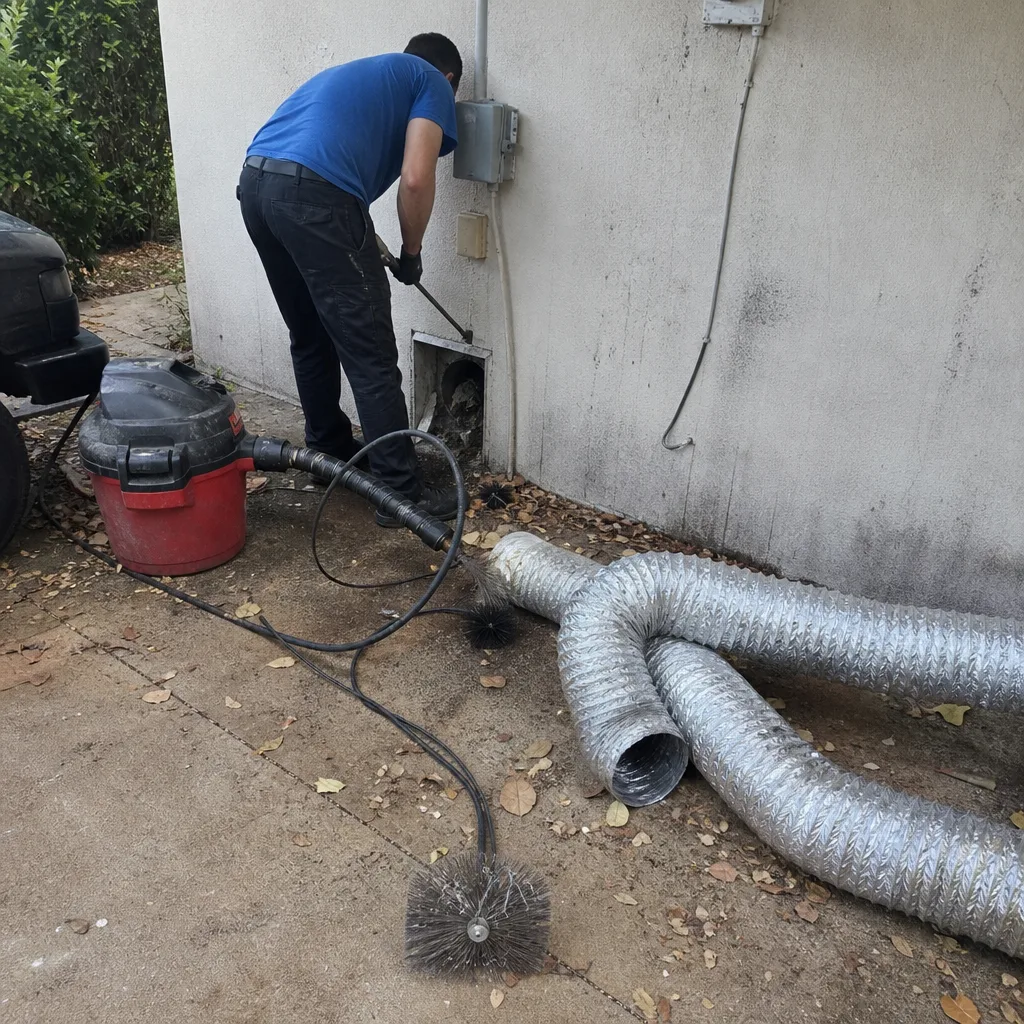 Before
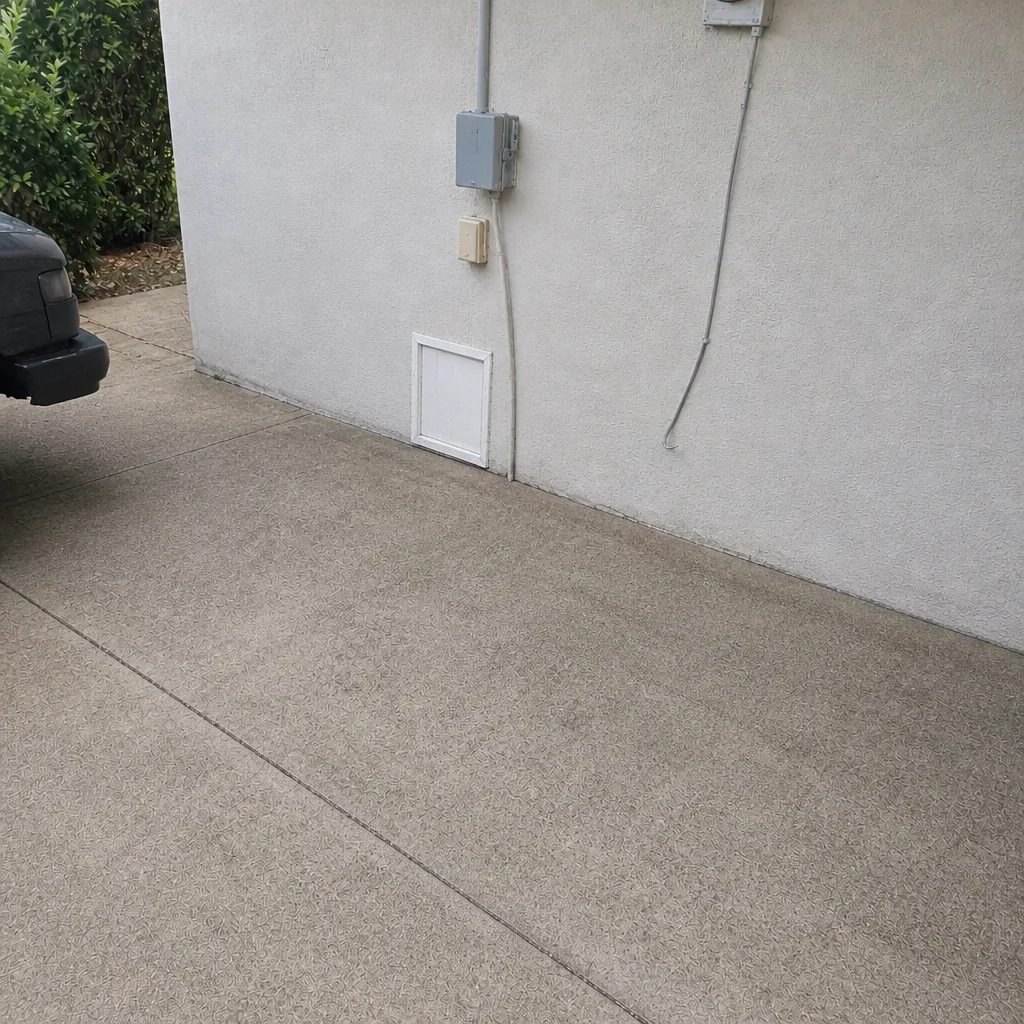 After
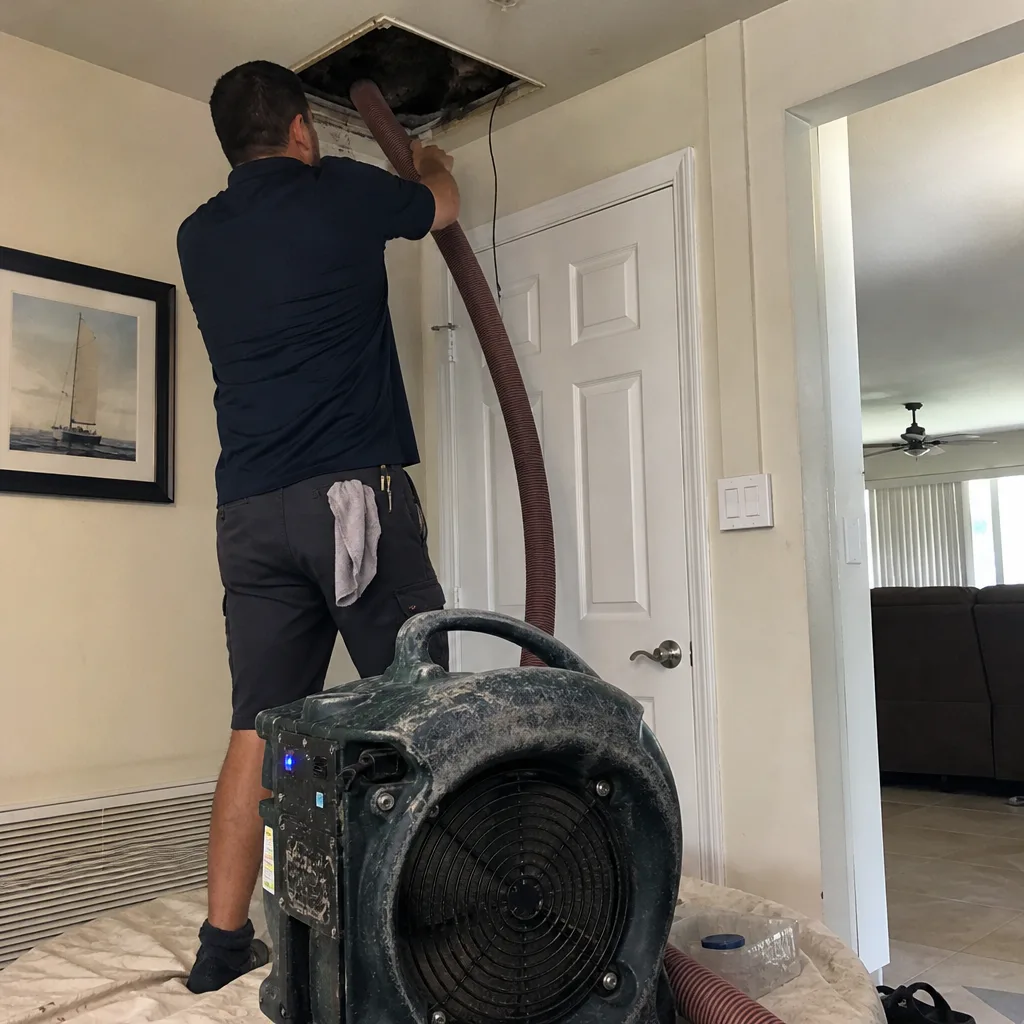 Before
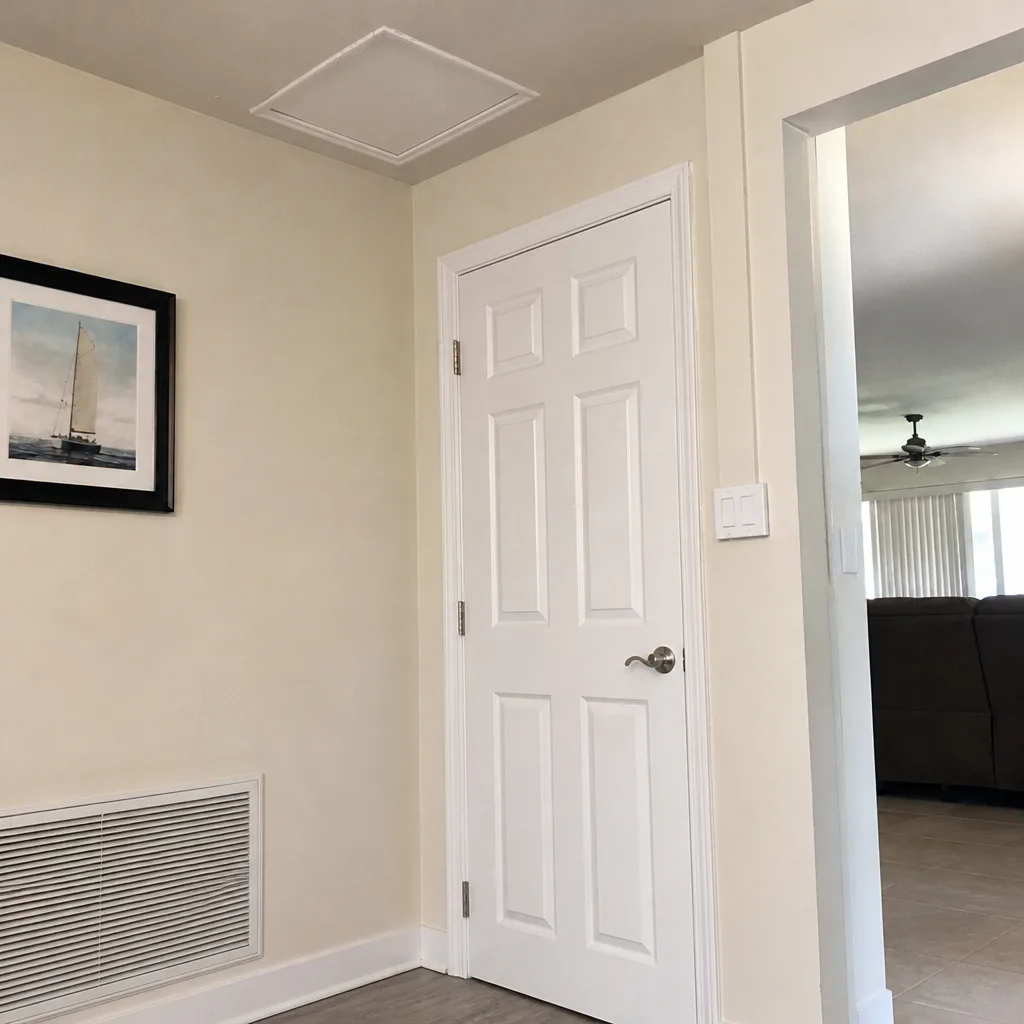 After
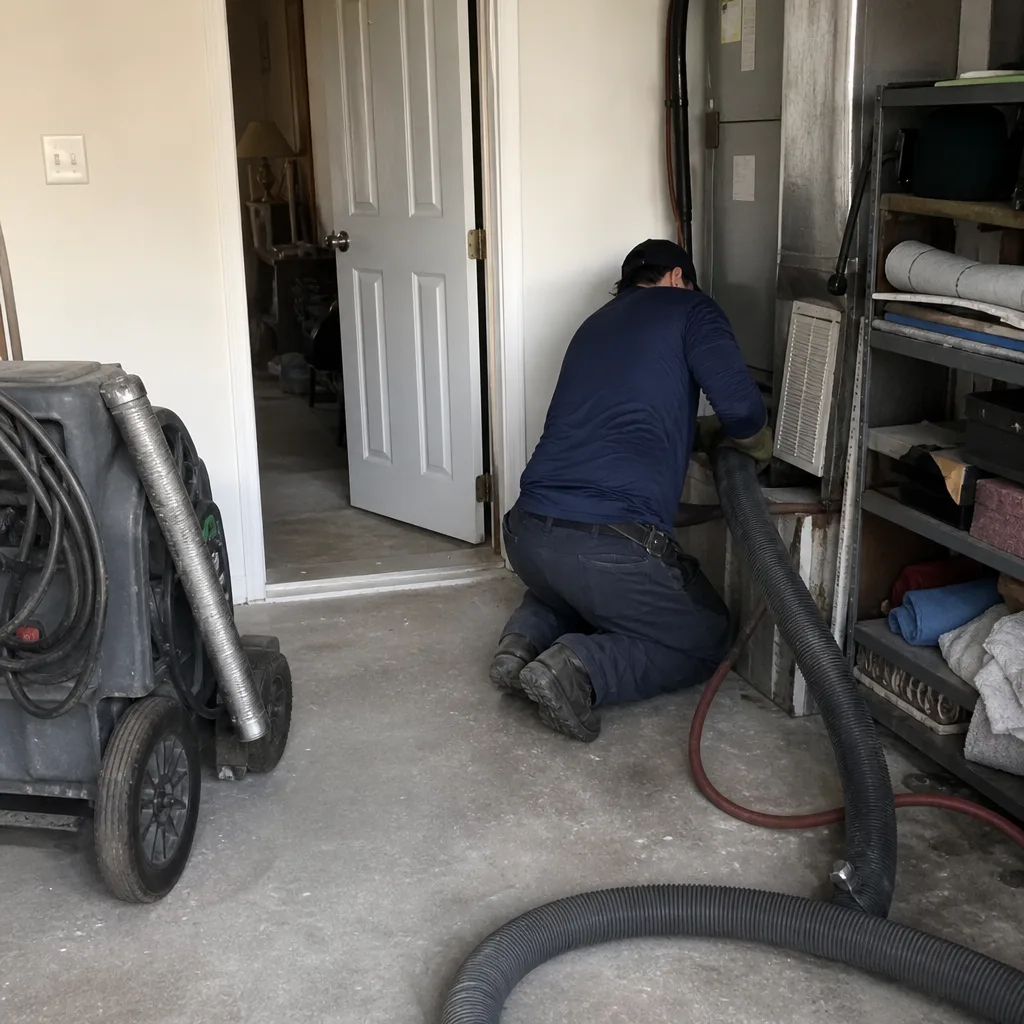 Before
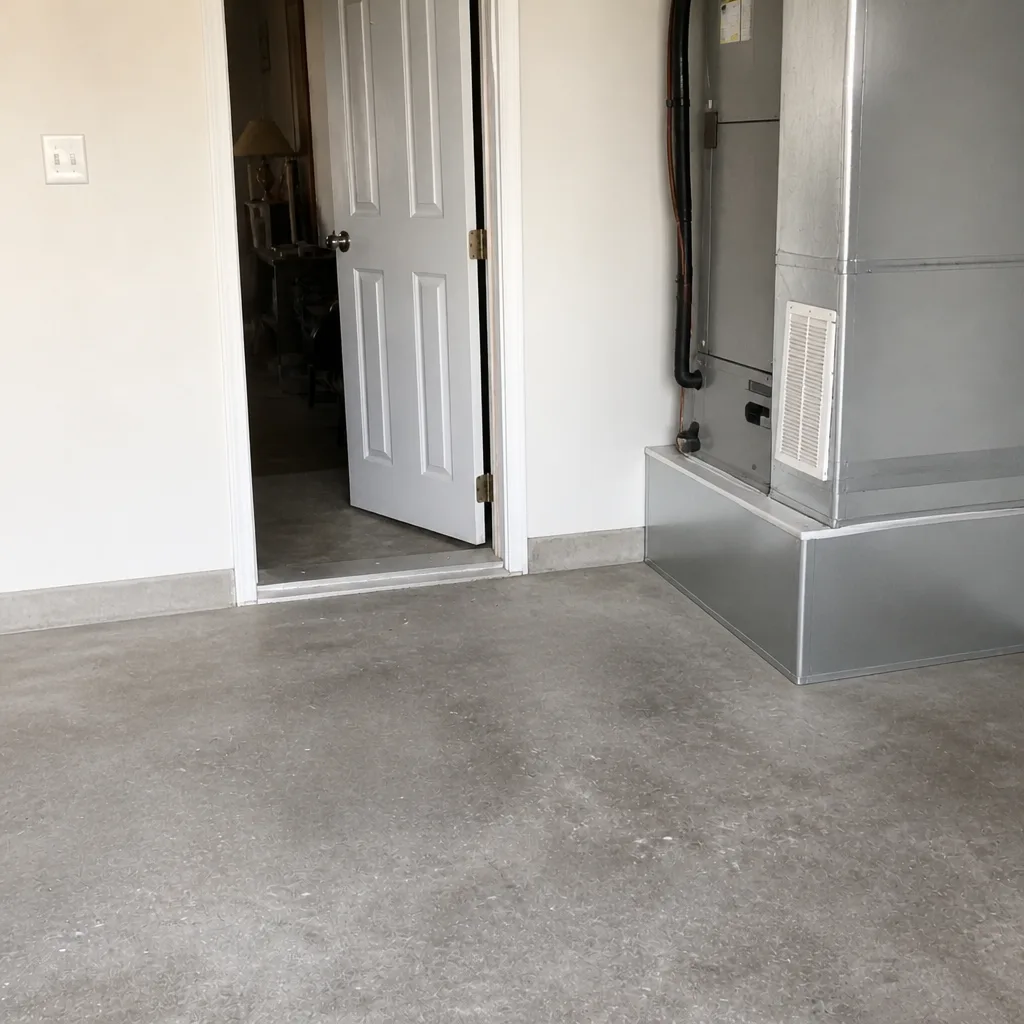 After
When to Call a Professional
Some post-storm duct work is beyond what a homeowner should handle. Call for professional evaluation when you find water inside the air handler, when duct insulation is damp or saturated, when you see visible microbial growth inside the duct liner, when a duct run has disconnected or collapsed, or when a musty odor returns after the system runs. Those are the signs that separate “needs cleaning” from “needs a proper remediation plan.” In Cape Coral, we’ve seen systems where a homeowner spent money on cleaning that didn’t address a saturated liner, and the problem came back. Duct Cleaning Cape Coral offers air duct cleaning and duct cleaning with professional equipment, plus dryer vent cleaning as a dedicated service. We also offer air duct repair when the root cause is a structural problem, not just contamination. Call (877) 384-7616 for a free estimate. We answer 24/7. Fast dispatch from 7am to 7pm, Sunday through Friday. Our technicians have up to 8 years of experience, and we use the same equipment standard found in commercial remediation work.
Frequently Asked Questions
No. Cleaning is necessary when the storm event pushed water, sediment or debris into the duct system. If your home had no roof breach, no water intrusion into the attic, and no musty smell after the storm, a full cleaning may not be needed. The right first step is an inspection. If the inspection is clear, run the system and monitor for odor. If it isn’t, call (877) 384-7616 for an evaluation and free estimate.
The determining factor is whether the duct liner is saturated. If the contamination is dry surface soil or settled debris and the duct material can be cleaned and dried, cleaning is the correct choice. If the liner has absorbed water and can’t be dried, or if the contamination type is microbial and the liner can’t be cleaned, replacement is the technically correct call. The inspection should be done by a professional before you decide. Call (877) 384-7616 to schedule a free estimate.
Coverage depends on your policy terms and the nature of the damage, so we can’t tell you what your insurer will approve. What we can say is that documentation drives the outcome. Photograph the system before and after the storm, keep a written log of what you did and when, and get written documentation of the duct condition when a professional evaluates it. Call your adjuster early and ask what documentation format they need. For a duct condition write-up, call (877) 384-7616.
Before-and-after photos of your own duct system are the proof. A professional operator photographs the system during the work and provides those images to you at the end. Ask before you hire: “Will I get photos of my ducts before and after?” If the answer is vague, keep looking. We use rotary brush and negative-pressure HEPA equipment, and the work is documented. Call (877) 384-7616 for a free estimate.
Cheap quotes usually reflect either a smaller scope of work or inferior equipment. A quote that assumes a quick vacuum pass won’t remove contamination from the duct liner or dry the system, and the problem comes back. A proper post-storm duct job involves mechanical cleaning, negative-pressure containment, HEPA filtration and a moisture assessment. If the price seems too low for the scope, ask what equipment will be used and whether the estimate includes drying. Call (877) 384-7616 for a written estimate based on your actual system.
Shut off the HVAC system before the storm reaches you, seal exterior penetrations around refrigerant lines and drains, and protect return grilles with plastic if a roof breach is possible. Take photos of the system’s current condition. These steps take an afternoon and make the post-storm evaluation and insurance process much easier. If you’re uncertain how your system is configured, call (877) 384-7616 and we’ll walk you through the shutoff procedure.
The Bottom Line
Hurricane preparation for a Cape Coral home should include the duct system, not just the shingles and shutters. The three habits that matter most: shut down the HVAC before landfall, inspect before you restart it, and document everything in between. When the decision between cleaning and replacement comes up after a storm, the determining factor is liner saturation, and that’s a professional call. Vet the contractor as carefully as you vet the estimate. We work in Cape Coral because this market needs operators who use real equipment and tell homeowners the truth about what’s salvageable. If your system needs an evaluation, we’re one call away.
Call Duct Cleaning Cape Coral at (877) 384-7616 for a free estimate. We answer 24/7. Fast dispatch from 7am to 7pm, Sunday through Friday.
Written by the team at Duct Cleaning Cape Coral.