
Last updated November 15, 2026
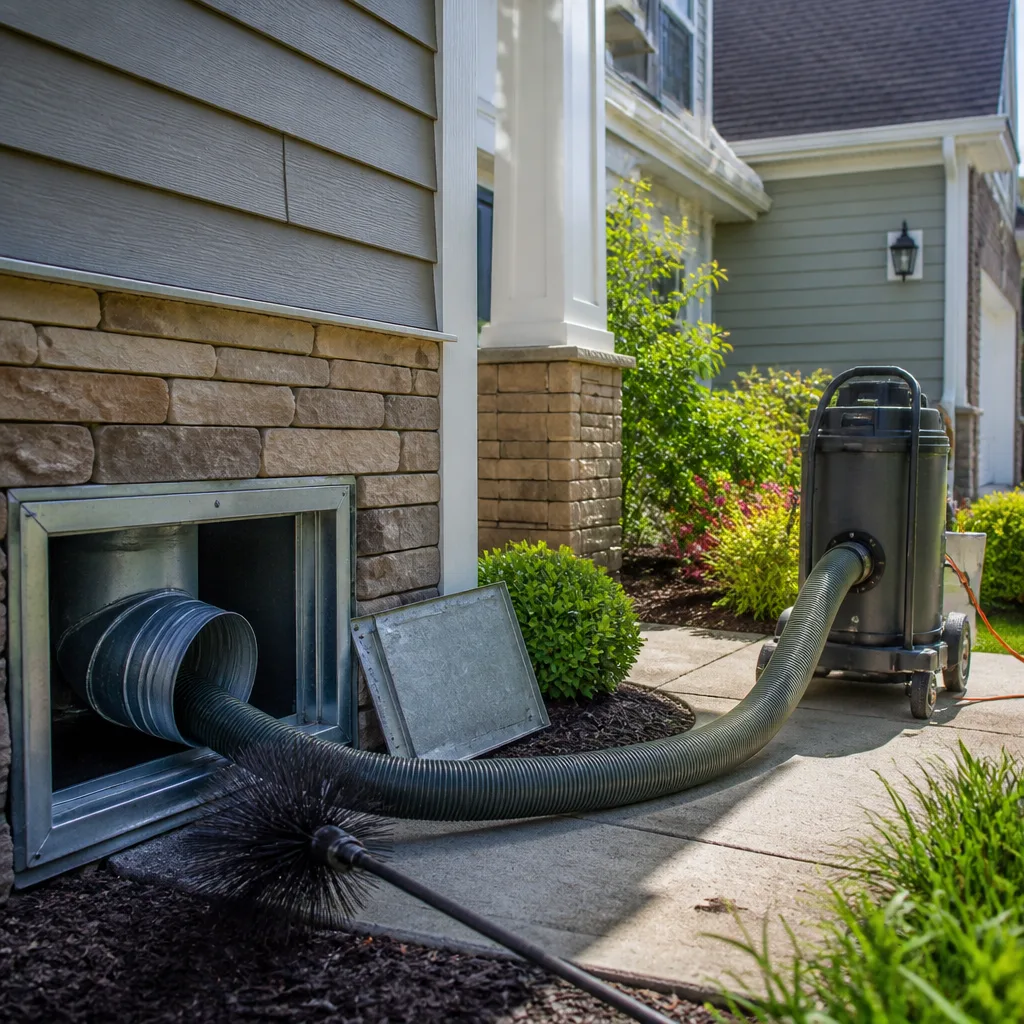 Whole-home duct cleaning
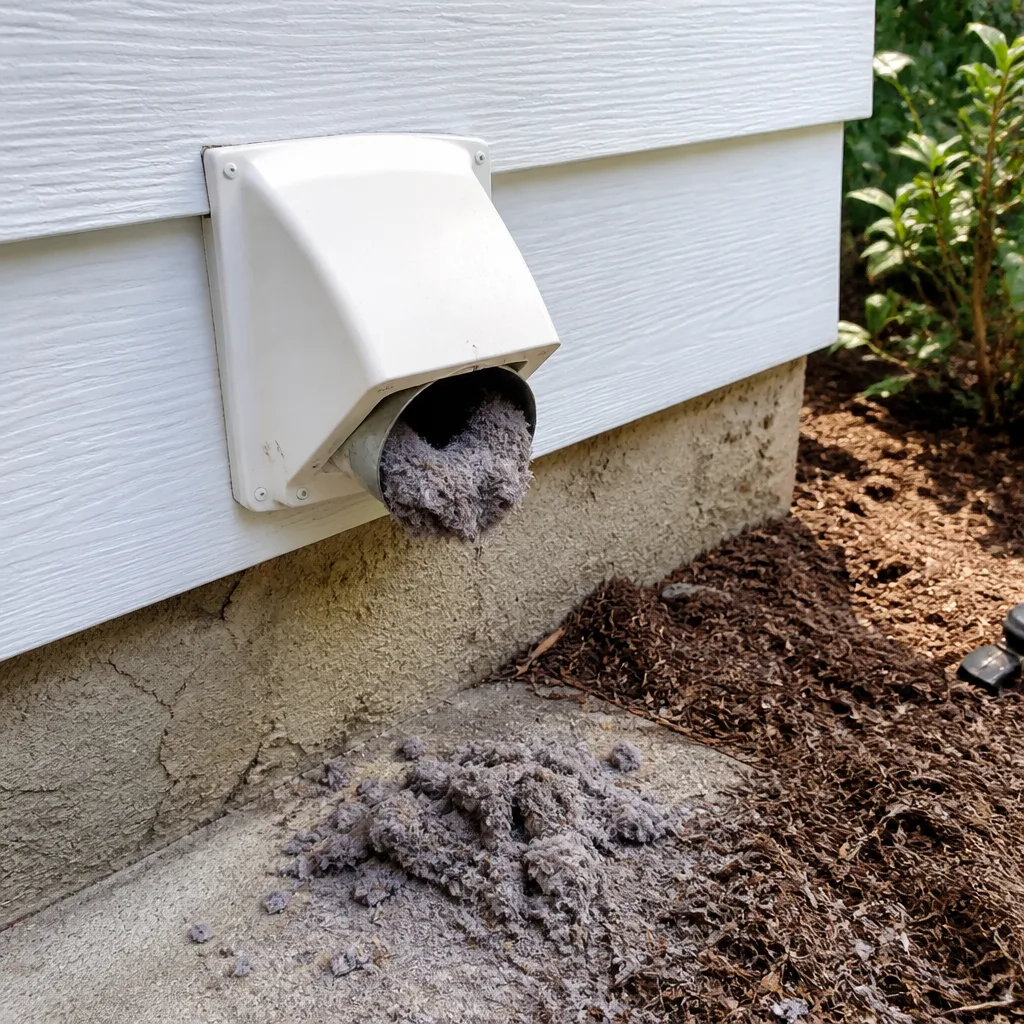 Dryer vent cleaning
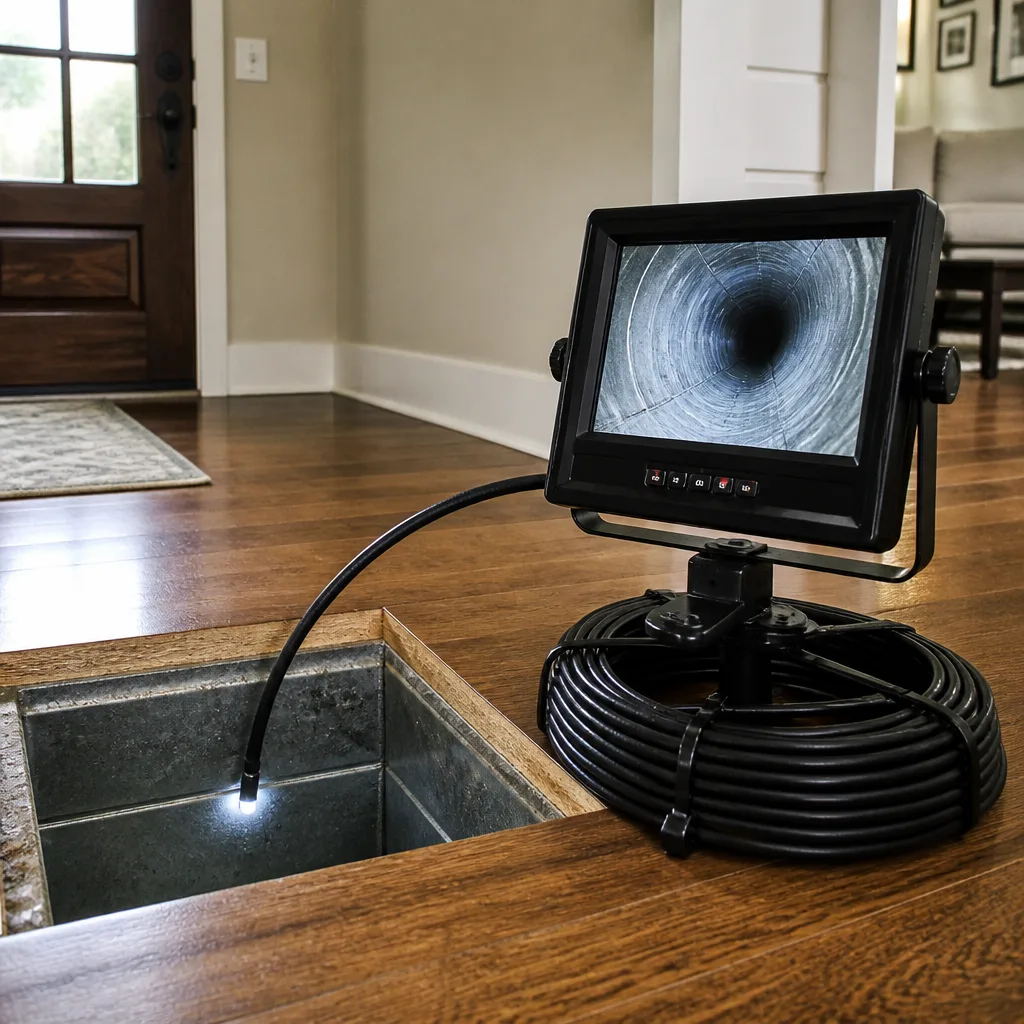 Camera inspection
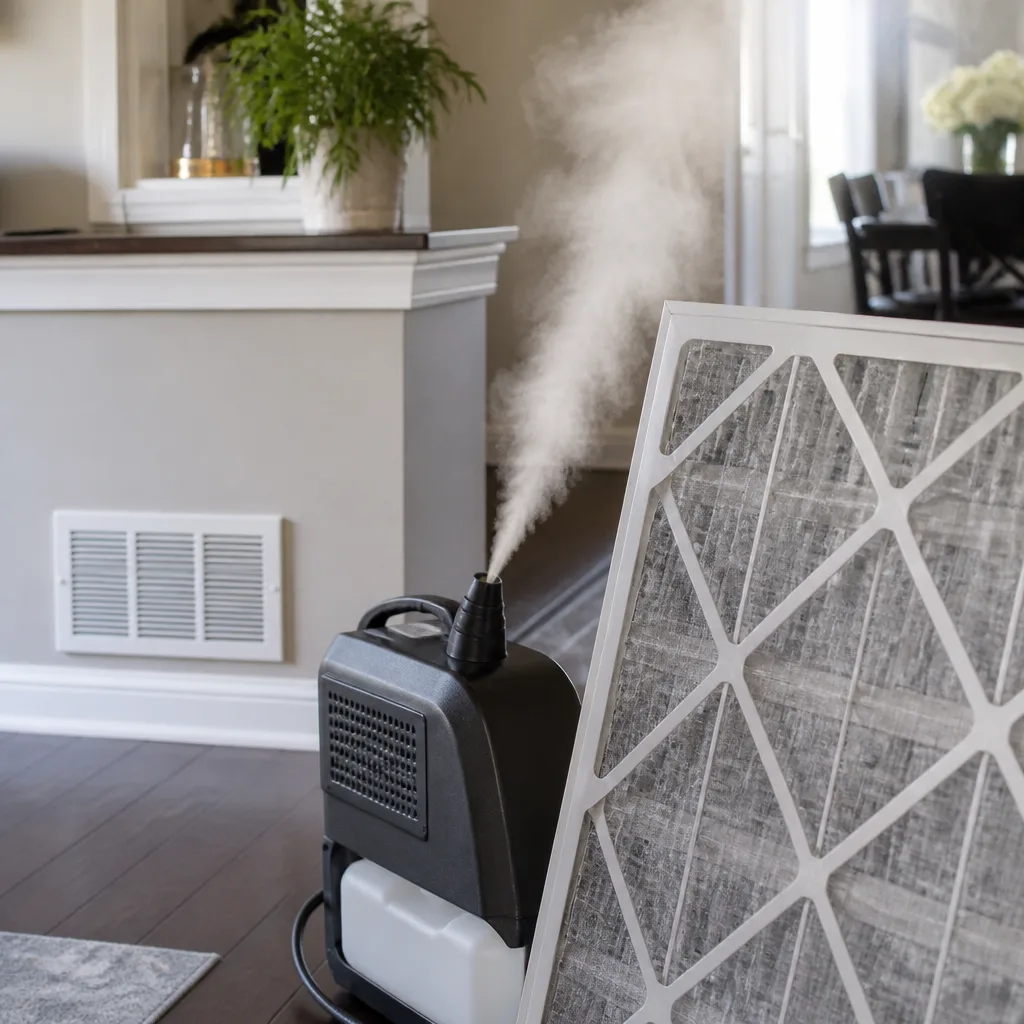 Sanitizing & deodorizing
Whole-system duct and dryer vent check with before-and-after photos - you see exactly what came out of your vents
That "$99 whole-house special" is a bait ad - the real number appears once they are in your hallway, or the "clean" is a shop-vac at the register. We photograph the inside of your ducts before and after instead.
Seasonal Air Duct Cleaning Care for Cape Coral: Year-Round Homeowner’s Guide
Most homeowners treat duct cleaning as an annual checkbox, timed to whatever month the coupon shows up. That’s the wrong instinct. In Cape Coral, the highest-risk month for duct contamination is October, and it has nothing to do with cold weather. The wet season ends, HVAC systems shift from dehumidification overdrive back into ordinary cooling mode, and anything that settled or grew inside the ductwork over a humid summer gets picked up and distributed through newly active airflow. This guide walks you through a Cape Coral seasonal calendar: what to inspect in April, how to think about peak humidity in July through September, what to do after a storm, and why “dry season fresh air” is more complicated than it sounds. You’ll learn the actual inspection points, the liner and coil issues that matter here, and when to call in professional equipment.
Styles & brands we work with
- Whole-home duct cleaning
- Dryer vent cleaning
- Camera inspection
- Sanitizing & deodorizing
Quick Answer
In Cape Coral, air duct cleaning works best on a seasonal rhythm tied to the wet and dry seasons, not to winter. The practical schedule is an inspection and filter change in April before the wet season, a coil and drain pan check in July when humidity peaks, a duct and seal review after any hurricane-season impact, and a full cleaning at dry-season startup in November. Seasonal duct care here is about humidity, biological growth, and storm particulate – not about heating.
Table of Contents
- Why seasonal duct care in Cape Coral works differently
- The Cape Coral duct care calendar, month by month
- April: the pre-wet-season inspection
- July through September: peak humidity and what it does inside your ducts
- Post-storm protocol after hurricane season impact
- November through March: the dry-season fresh air fallacy
- Assessing duct liner and flex duct after a long summer
- Why coil and drain pan condition decides whether cleaning lasts
- Common mistakes to avoid
- When to call a professional
- Frequently asked questions
- The bottom line
Why seasonal duct care in Cape Coral works differently
In a four-season climate, duct cleaning advice usually centers on the furnace. The heat exchanger, the first cold snap, the dust that bakes onto duct walls over a dry winter. Cape Coral doesn’t have that problem. What it has is a wet season that runs roughly May through October, when the air conditioning does more than cool – it dehumidifies, running for hours at a stretch, keeping the indoor air drier than the outdoor air by design. That’s the opposite of what many people assume. The AC isn’t making things wetter. It’s pulling moisture out. The trouble is that when the system cycles off, or when the thermostat is set high for a stretch, the interiors of the ducts and the air handler cabinet can drift back toward the ambient humidity. That cycle of drying and re-dampening is what feeds biological growth.
Layered on top of that is hurricane season, which brings its own kind of strain: pressure changes, wind-driven particulate, and – after any real storm impact – a surge of dust and debris that finds its way into return grilles and the gaps around them. And then there’s the dry season, when the humidity drops, the system runs less, and the house feels fresher. That fresh feeling is real. It’s just not the whole story, because dry season in Cape Coral also brings construction dust from remodeling and new building, and pollen loads from the landscaping that comes back to life in the milder months.
So the seasonal calendar here isn’t about keeping warm. It’s about managing three things across the year: moisture cycling, storm particulate, and dry-season airborne loads. Once you understand that, the timing of your duct care stops being arbitrary. Our technicians have up to 8 years of experience with these conditions, and the pattern is consistent – the homeowners who stay ahead of it spend less and breathe easier than the ones who wait for a visible problem.
The Cape Coral duct care calendar, month by month
Here’s the rhythm we recommend for Cape Coral homes. It’s simple, and it’s built around when the actual risk peaks, not when a marketing calendar says it should.
- April – pre-wet-season inspection. Before the humidity climbs, check filters, look for gaps at return and supply grilles, and get a baseline read on duct condition. This is the month to fix small seal problems before the wet season stresses them.
- May through June – watch the drain pan and coil. As runtimes climb, the evaporator coil and its drain pan do the heaviest dehumidification work of the year. A clean coil upstream is what keeps a clean duct system clean.
- July through September – peak humidity monitoring. Filter changes come more often. This is when musty odors show up if there’s biological growth somewhere in the system.
- June through November – post-storm response. Any storm impact on the home is a reason to check ducts, not just the roof.
- October – the transition month. The wet season ends. This is the single highest-risk window for previously settled contamination to get distributed through newly active airflow.
- November – dry-season startup. A full cleaning at the start of the dry season sets the system up for the months when the AC runs less and the windows open more.
- December through March – dry-season diligence. Filters, construction dust, pollen. Keep the basics in check while the system is in its lighter cycle.
This calendar isn’t rigid. A home with pets, a recent remodel, or a stretch of rental turnover may need more frequent cleaning than a home that’s closed up and lightly occupied. But the shape of it – inspect before the wet season, monitor through it, clean at the transition, maintain through the dry season – is right for most of Cape Coral.
April: the pre-wet-season inspection
April is the month with the most leverage. The wet season hasn’t started in earnest, the system is still in its lighter shoulder-season cycle, and you have a clear window to correct anything that would otherwise get amplified over the summer. Think of it as tuning the system before the long run.
What an April inspection should cover:
- Filters. Check the current filter’s condition and its type. A filter that’s matted or loaded in April is only going to get worse. Note the filter’s rating and whether it matches the system’s design.
- Grille and register gaps. Loose return grilles and gaps around register frames are the most common entry point for unfiltered air and dust. Small gaps matter because the system is a pressure machine – it pulls air from the easiest path, and a gap is easier than a filter.
- Visible dust at supply vents. A light dust film right at the vent is normal wear. Streaking that runs up the wall or ceiling from a supply is a sign of a duct leak or an air balance problem.
- Access panel condition. If the air handler cabinet has an access panel with a failing gasket, that panel is a leak. Check it before the wet season.
- Any past storm concerns. If the previous hurricane season touched the home, note whether any of it is still unresolved – a dented outdoor unit, a suspect return duct in the attic.
The reason April matters so much in Cape Coral is that the system is about to become the primary moisture manager for the house. Once the runtimes climb, every inefficiency – a leaky duct, a bad filter, a coil that’s started to foul – gets more expensive. Small corrections in April prevent problems that would otherwise need a full cleaning and repair later. For a deeper look at what a professional inspection actually involves, our air duct cleaning page walks through the process from start to finish.
July through September: peak humidity and what it does inside your ducts
July through September is when the system earns its keep. In Cape Coral, this is the stretch when the air conditioning is running almost continuously during the hottest parts of the day, pulling pints of moisture out of the air every hour. And that’s exactly the point where the ducts – not the coil, but the ducts themselves – start to see stress.
Here’s what’s actually happening. When the system runs, the duct interiors are cooled and dehumidified. When it cycles off, the ducts warm back toward the surrounding attic or wall cavity temperature, and the relative humidity inside them rises. That cycle repeats many times a day. The metal and flex duct materials themselves generally handle this well. But the seams, the joints, the tape, and the interior liner of flex duct all see that cycling, and any weak point – a seam that wasn’t sealed well, a section of insulated flex that’s compressed or kinked – becomes a condensation point. Condensation on the inside of a duct is where biological growth starts.
What to watch for during peak humidity:
- Musty smells when the system first starts. That initial burst of odor when the blower kicks on is the most common early sign.
- Increased allergy-like symptoms indoors. Pay attention to whether symptoms are worse inside the house than outside and better after the system has run for a while – that’s a pattern worth investigating.
- Visible moisture or staining near a supply or return. Not the normal condensation on the outside of a metal duct, but staining around the grille or a damp spot on the ceiling or wall.
- Filter loading faster than usual. If filters are matting over in a month or two, the system is pulling more particulate than it should, which usually points upstream.
The instinct in this stretch is to reach for a quick air freshener or a spray. Don’t. Odor is a symptom. What matters is finding where the moisture and growth are actually happening. A professional inspection with proper equipment can pin that down; a can of spray can’t. If the system has been running hard through a wet summer, this is also a good window to line up dryer vent cleaning, which has nothing to do with the ducts but is often overlooked during the months when the house is running overtime.
Post-storm protocol after hurricane season impact
Any hurricane-season impact on a Cape Coral home is a reason to check the duct system, not just the roof and the windows. It’s a common oversight. The visible damage gets the attention, and the ducts – which are inside the walls and above the ceiling – don’t. But a real storm event does two things to a duct system. It drives wind-borne particulate and water intrusion into places the system doesn’t normally see, and it stresses the duct seals through rapid pressure changes.
The pressure piece is worth explaining, because it’s the one most homeowners don’t consider. A duct system is designed to operate at a specific pressure differential. When a storm drives a rapid pressure change around the envelope of the house, the duct pressure follows. Seams that were marginal before the storm can open up. Tape that was starting to fail can let go. It doesn’t take a direct hit for that to happen – a nearby impact and the resulting pressure event can do it.
A post-storm duct check should cover, in order:
- Visual inspection of every visible duct run – attic, garage, and any accessible chase. Look for disconnected sections, sagging flex duct, and tape that’s come loose. This is the highest-priority item because a disconnected supply line can dump conditioned air into an attic or garage instead of the living space, and it will drive up both your energy use and the dust load inside.
- Water intrusion. Any sign of moisture at a return or supply, or in the air handler cabinet, needs to be addressed before anything else. Wet ductwork doesn’t respond to cleaning – it needs to be dried and, in some cases, replaced.
- Grille and register integrity. Check that every supply and return is fully seated and undamaged. A storm can rattle a grille loose without anyone noticing.
- Full professional cleaning after major impact. Even if nothing looks obviously wrong, a cleaning after any significant storm event is worthwhile because the particulate load the system took on isn’t visible from the outside.
When cleaning after a storm, containment matters. Negative-air equipment and HEPA filtration are standard in professional remediation work for a reason – they keep the particulate you’re removing from escaping into the home. Our Abatement Technologies filtration setup is the same category of equipment used in that work, and it’s what we rely on when a duct system has taken on storm particulate.
November through March: the dry-season fresh air fallacy
November arrives, the humidity breaks, the windows open, and Cape Coral feels like a different place. The instinct is to assume the ducts are fine now. The air smells clean, the AC is running less, and the house feels fresher than it did in August. But “fresh” is a seasonal illusion that hides two real loads.
The first is construction dust. Dry season is when a lot of exterior work happens – painting, roofs, driveways, additions, landscaping. It’s also when new construction picks up. All of that work generates airborne particulate that finds its way into return grilles and, if the system is running, into the ducts. A home next door to a lot being cleared or a roof being replaced is pulling that dust in every time the AC cycles on.
The second is pollen. Cape Coral’s dry season overlaps with a stretch of active landscaping, and pollen loads come back to life in the milder months. Pollen particles are small enough to pass through lower-rated filters and settle in the duct system, where they can be reintroduced into the living space with every cycle.
So the dry-season routine is about maintenance, not neglect:
- Change the filter at the start of the dry season, then on the recommended interval. The interval matters more than the exact cadence – pick one and stick to it.
- Watch for visible dust after nearby construction. If a neighbor’s roof or driveway work has kicked up dust, check the return side first.
- Get a full cleaning at dry-season startup if the system hasn’t been cleaned since before the wet season. The transition month – October into November – is the natural time.
- Leave the outdoor unit’s airflow clear. Dry season is when landscaping grows, and plant growth around the condenser coil is a common and easily overlooked air quality problem.
If the ducts haven’t been cleaned since before the last wet season, the dry season is when a full professional cleaning pays off – it sets the system up clean before the next humidity cycle begins. And if you’re near the boundary of the city and want to know whether you’re covered, our Cape Coral service area page has the details.
Assessing duct liner and flex duct after a long summer
After a summer of near-continuous operation, the interior of your duct system has seen more thermal cycling than a system in a cooler climate sees in a year. That matters most for flex duct, which is the most common duct material in Cape Coral homes for good reasons – it’s fast to install, it’s flexible, and it’s insulated. But flex duct’s interior liner is the part that shows its age under that cycling.
The liner sits inside the insulated jacket and is bonded to a wire helix. What happens over time is mechanical: the liner’s adhesive weakens under repeated heat cycling, and the liner can begin to separate from the helix or peel. Cape Coral’s wet season accelerates this because the return to ambient temperature after each cycle is more pronounced – the duct interior dries and re-dampens many times a week. Manufacturers’ ratings for flex duct generally assume a more moderate cycling pattern than a Cape Coral wet season delivers.
What to look for when assessing liner condition:
- Visible separation at the liner’s edge where the duct meets a takeoff or a boot. This is the most common failure point.
- Liner peeling away from the helix inside the duct run, visible if you can see into a section.
- Sagging sections in attic runs. A sagging flex run catches dust at the low point and slightly reduces airflow.
- Kinked or compressed runs that restrict airflow and create condensation points.
- Tears or punctures in the outer jacket, which compromise the insulation and let attic air in.
Liner condition is one of the reasons we treat duct cleaning Cape Coral as more than a vacuuming job. If the liner is failing, cleaning around it doesn’t solve the underlying problem – the duct needs repair or replacement, and the assessment has to happen before the cleaning, not after. That’s the difference between responding to a symptom and addressing the cause.
Why coil and drain pan condition decides whether cleaning lasts
Here’s a piece of advice that saves a lot of wasted money: if the evaporator coil and drain pan upstream of the duct system are fouled, a duct cleaning won’t hold. Within weeks, the coil’s job – condensing moisture out of the air – will start moving that dirty air, and the particulate will be back in the ducts. The order of operations matters.
What to understand about the coil and drain pan in Cape Coral:
- The coil is the wet part. The evaporator coil is where air is cooled and moisture is condensed. Over a wet season, that coil becomes the natural collection point for anything the filter doesn’t catch.
- The drain pan collects the condensate. A pan that holds standing water, or a drain line that’s partially blocked, becomes a biological growth site. That growth gets entrained into the airstream and carried into the ducts.
- Coil cleaning and duct cleaning belong together. A cleaning that skips the coil is a partial job. A cleaning that follows a proper coil and drain pan check will hold much longer.
This is where familiarity with air handling systems matters, not just ductwork in isolation. We work with Honeywell and Aprilaire filtration and air quality components because we need to understand how the whole system works, not just the duct runs. The filtration piece, the coil, the drain pan, and the ducts are one system – if you clean the ducts and ignore the rest, you’re treating a part of the problem. For a fuller look at how a professional cleaning handles the air handling side, our air duct cleaning process walks through it, though we’re not able to link that same page twice – the point is simply that coil and drain pan assessment is built into the service.
Common mistakes to avoid
- Cleaning the ducts once and never again. Duct cleaning isn’t a one-time event in Cape Coral – the wet season and the dry season both bring loads that rebuild. A cleaning at dry-season startup, plus ongoing filter changes, is a rhythm, not a one-off.
- Ignoring the coil and drain pan. A dirty coil upstream negates a clean duct system within weeks. If a cleaner won’t look at the air handler side, the job is incomplete.
- Air fresheners over investigation. A musty smell in July is a symptom of a moisture problem, not a smell problem. Masking it with a spray makes the source harder to find later.
- Treating post-storm cleaning as optional. Even when nothing looks wrong after a storm, the particulate and pressure loads on the duct system aren’t visible from the outside. A check after any significant impact is cheap insurance.
- Assuming dry season equals clean air. Construction dust and pollen loads are real in the November to March stretch. Filters and ducts still need attention.
- Using a shop-vac for duct cleaning. A shop-vac doesn’t develop the negative pressure needed to pull particulate out of a duct run, and it doesn’t filter the exhaust. It can redistribute dust back into the air you’re trying to clean. Professional equipment is a different category entirely.
- Choosing on price alone. A low bid that doesn’t include coil assessment, containment equipment, or a repair capability is a partial service. Ask what equipment will be used before you book.
When to call a professional
Some duct care is a homeowner job: changing filters, checking grilles, noticing moisture, keeping the outdoor unit clear. But certain situations need professional equipment and assessment. Call a professional if you notice a persistent musty odor when the system starts, visible moisture or staining around a supply or return, a filter that loads in a month or two, or a return grille pulling noticeably weaker than the others. Call after any significant storm impact – even without visible signs – because the pressure and particulate loads on the duct system aren’t visible from the outside. Call if it’s been a full wet season or more since the last cleaning, if the coil or drain pan has never been checked, or if the ducts are old enough that liner condition is in question. And call if any contractor proposes skipping coil assessment or using shop-vac equipment for the cleaning itself.
Duct Cleaning Cape Coral offers free estimates in Cape Coral. Our technicians have up to 8 years of experience, and we use Rotobrush rotary brush equipment, Nikro negative-pressure extraction, and Abatement Technologies filtration in the work. Call (877) 384-7616 to set up an estimate. We answer 24/7. Fast dispatch from 7am to 7pm, Sunday through Friday.
Frequently asked questions
Air duct cleaning in Cape Coral typically costs $250 to $600 for a whole-home system, depending on the number of vents, the condition of the ductwork, and whether coil and drain pan cleaning is included. Pricing is per job, not per vent, and the written estimate sets the final price. Call (877) 384-7616 for an exact quote – estimates are free.
November is the best month for a full cleaning in Cape Coral, right at dry-season startup. It catches whatever the wet season left behind and sets the system up clean before the next humidity cycle. A pre-wet-season inspection in April is the most useful companion to it.
Low quotes usually skip the containment and filtration equipment, the coil and drain pan check, and the duct repair capability that a real cleaning depends on. A shop-vac-based cleaning can redistribute dust rather than remove it, and without negative-pressure containment, the particulate leaves the ducts and goes into the room. Look at what equipment is used and whether coil assessment is included, not just the number.
Ask for photos of the inside of the ducts before and after the cleaning, and ask for the equipment list. Professional equipment doesn’t hide behind a checkbox – if the company is using a rotary brush system and negative-pressure extraction, they can tell you exactly which machines are on site. Our process includes before-and-after photos of your own ducts for that reason.
For most homes in Cape Coral, a full professional cleaning once a year, timed to the Novembers dry-season startup, is a reasonable baseline. Homes with pets, remodels, rentals, or a recent hurricane impact may need it more often. Filters need changing on their own schedule regardless – that’s the piece most homeowners under-do.
Not automatically, but any significant storm impact on a Cape Coral home is a reason for a professional check. Storm pressure events can open marginal duct seams, and wind-driven particulate gets into the system even without visible damage. The inspection is the thing to do; the cleaning follows if the inspection calls for it.
The bottom line
Cape Coral’s seasonal duct risk is about moisture, storm particulate, and dry-season loads, not about heating. The practical calendar is an April inspection before the wet season, humidity monitoring through the summer, a check after any storm impact, a full cleaning at November’s dry-season startup, and filter diligence through the dry season. Flex duct liner and coil condition matter as much as the ducts themselves – cleaning that ignores them doesn’t hold. And the underlying point: a clean air system is one connected system, not a set of parts. If you’d like an assessment of your own system ahead of the next season, our team at Duct Cleaning Cape Coral uses Rotobrush, Nikro, and Abatement Technologies equipment and can walk you through what your ducts need. Call (877) 384-7616 for a free estimate.
Written by the team at Duct Cleaning Cape Coral.
See the difference
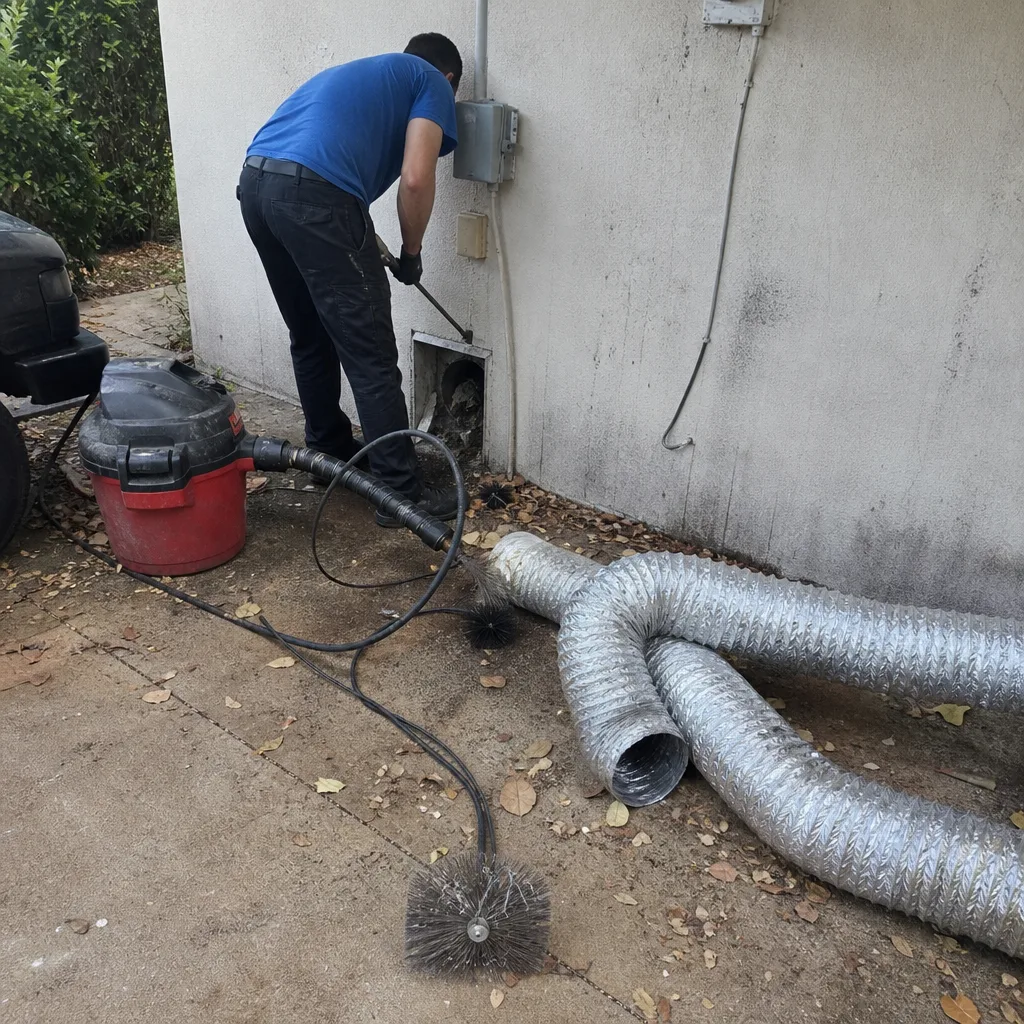 Before
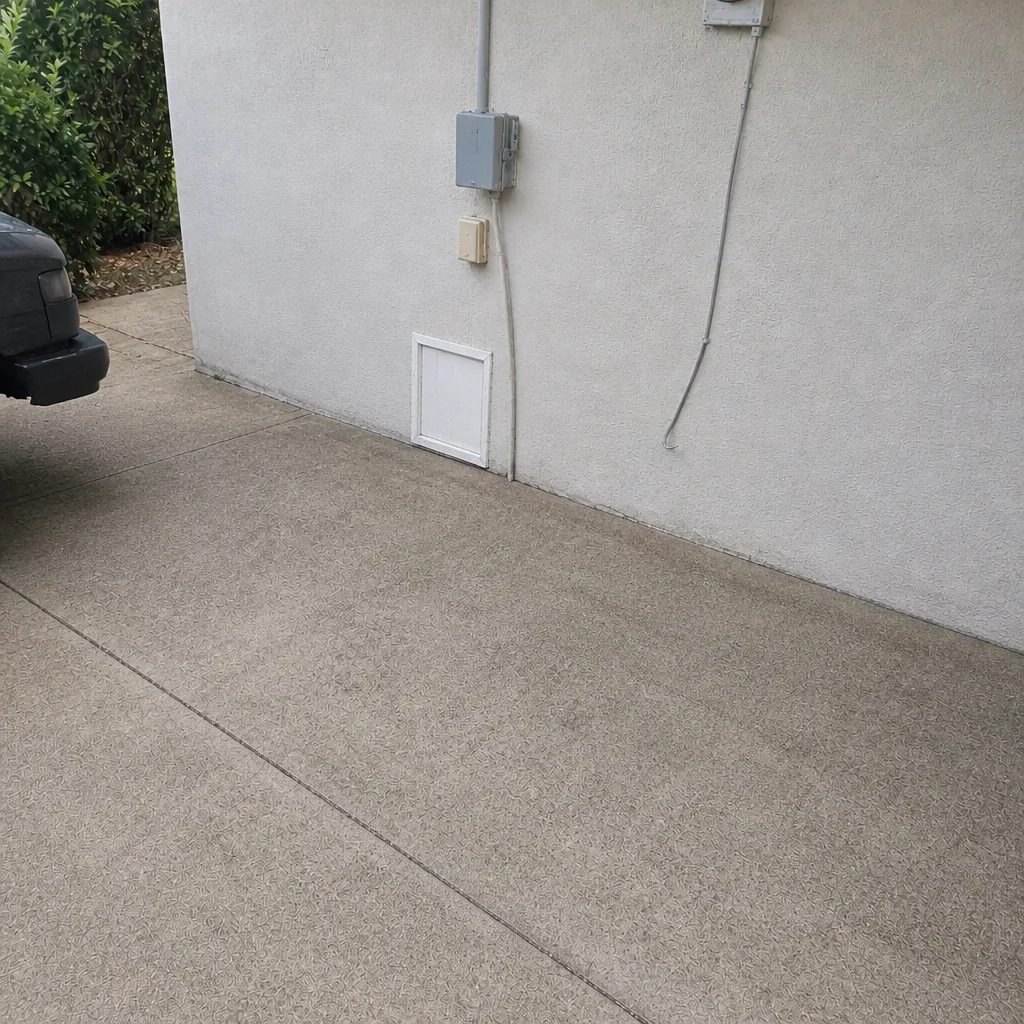 After
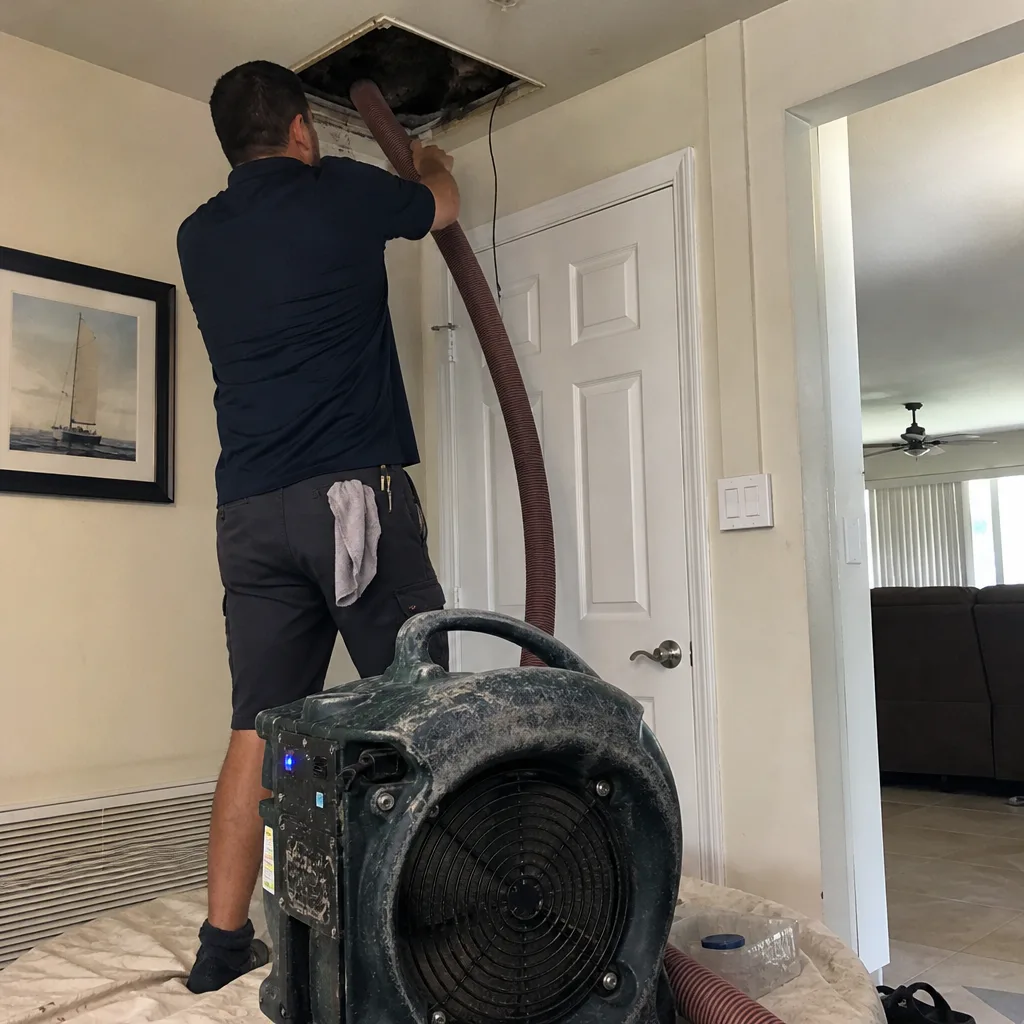 Before
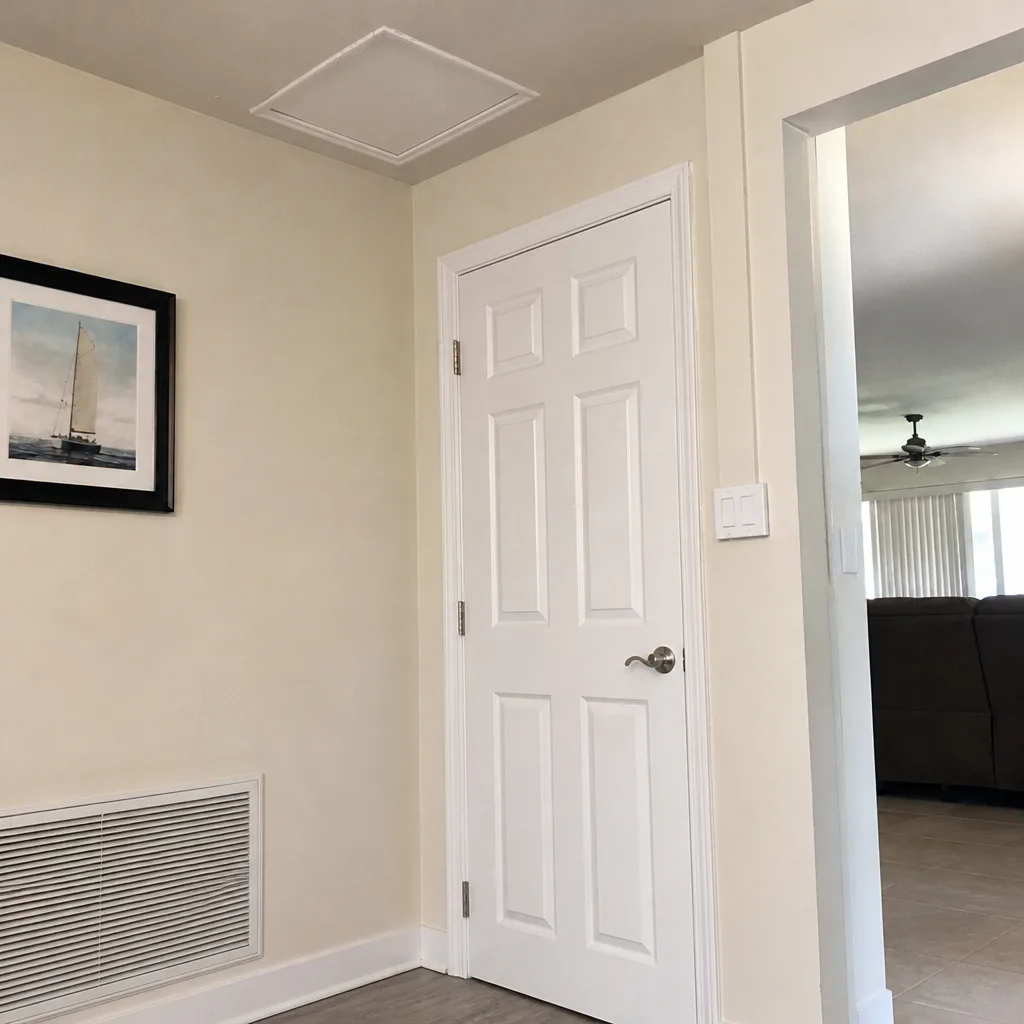 After
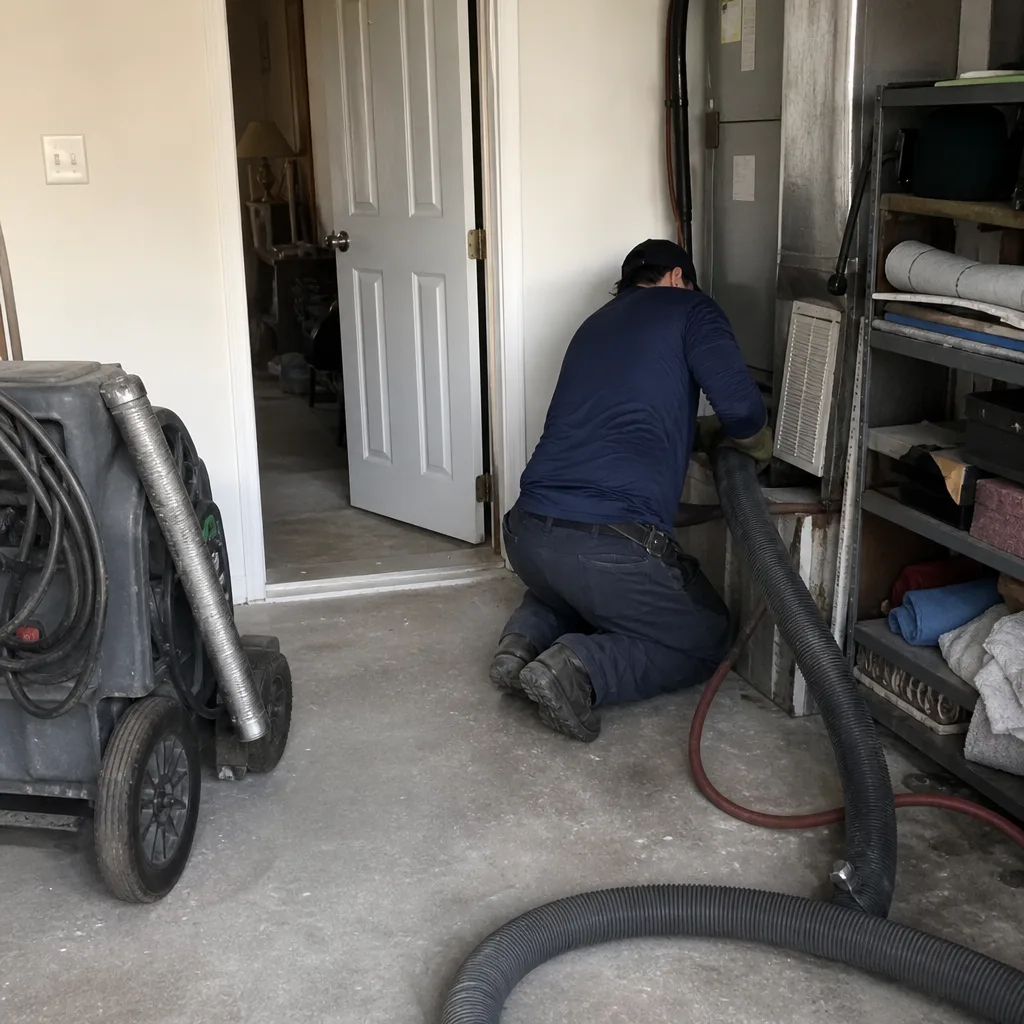 Before
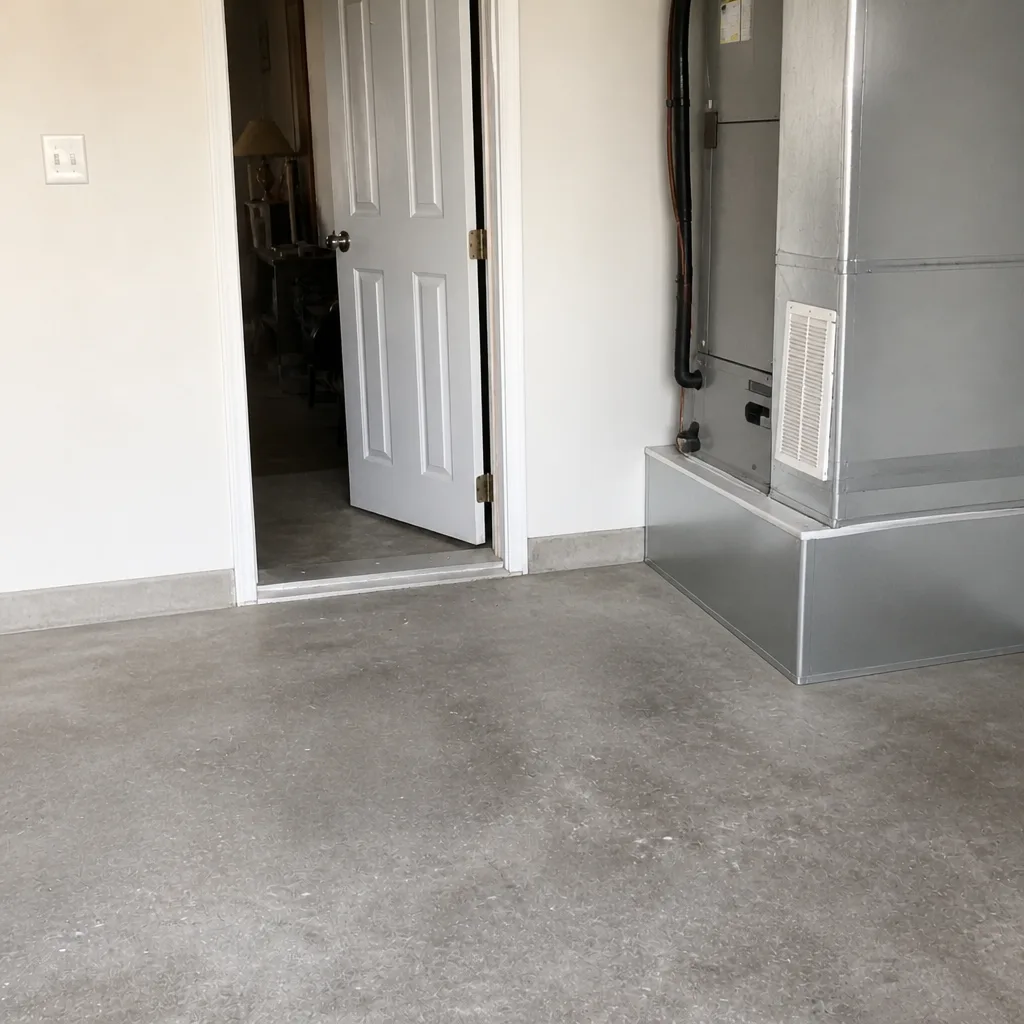 After