
Last updated November 15, 2026
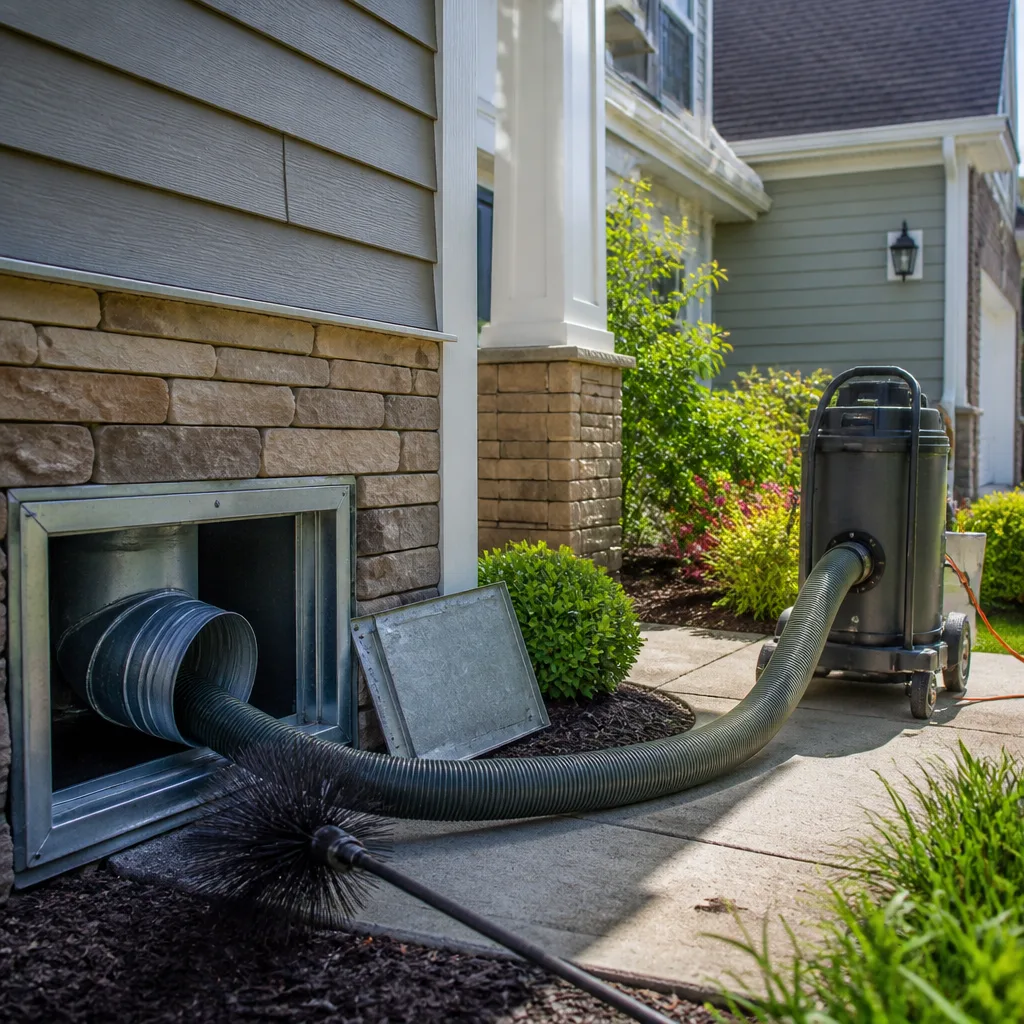 Whole-home duct cleaning
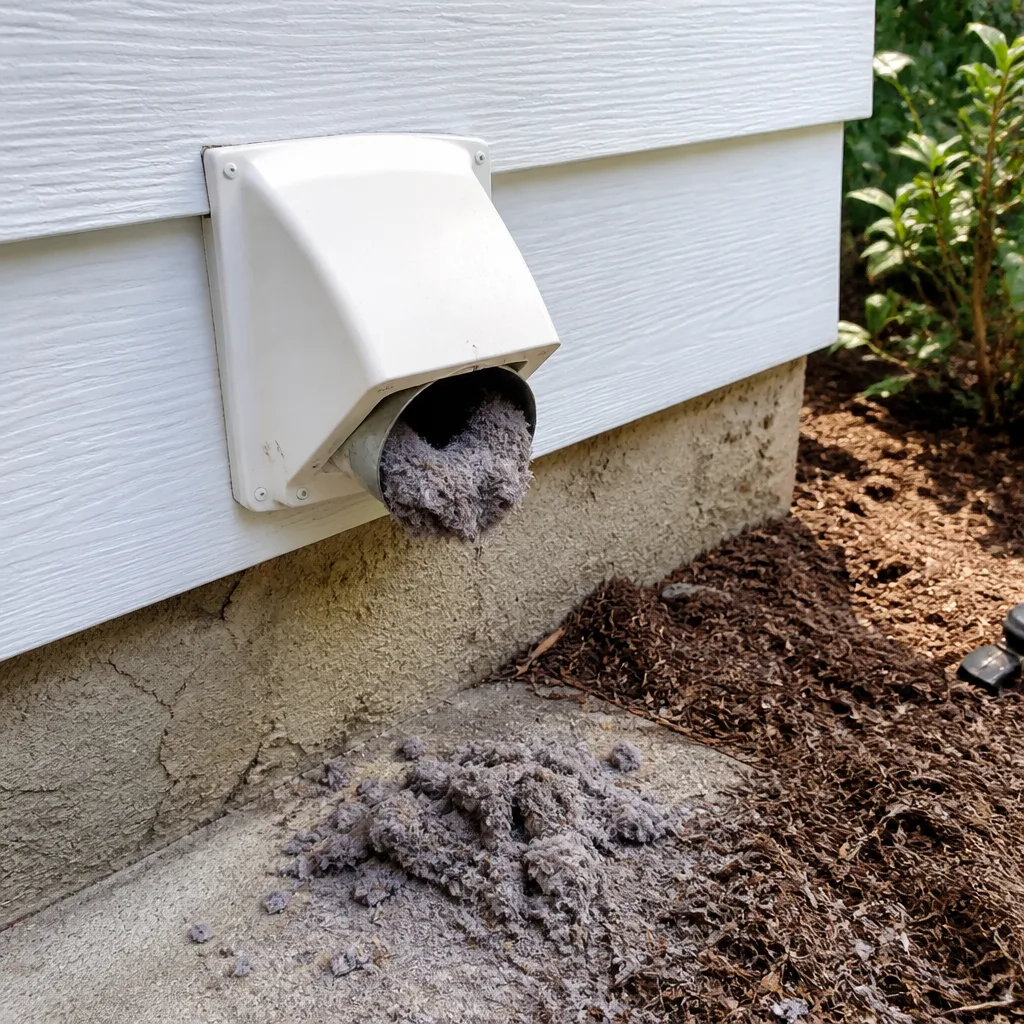 Dryer vent cleaning
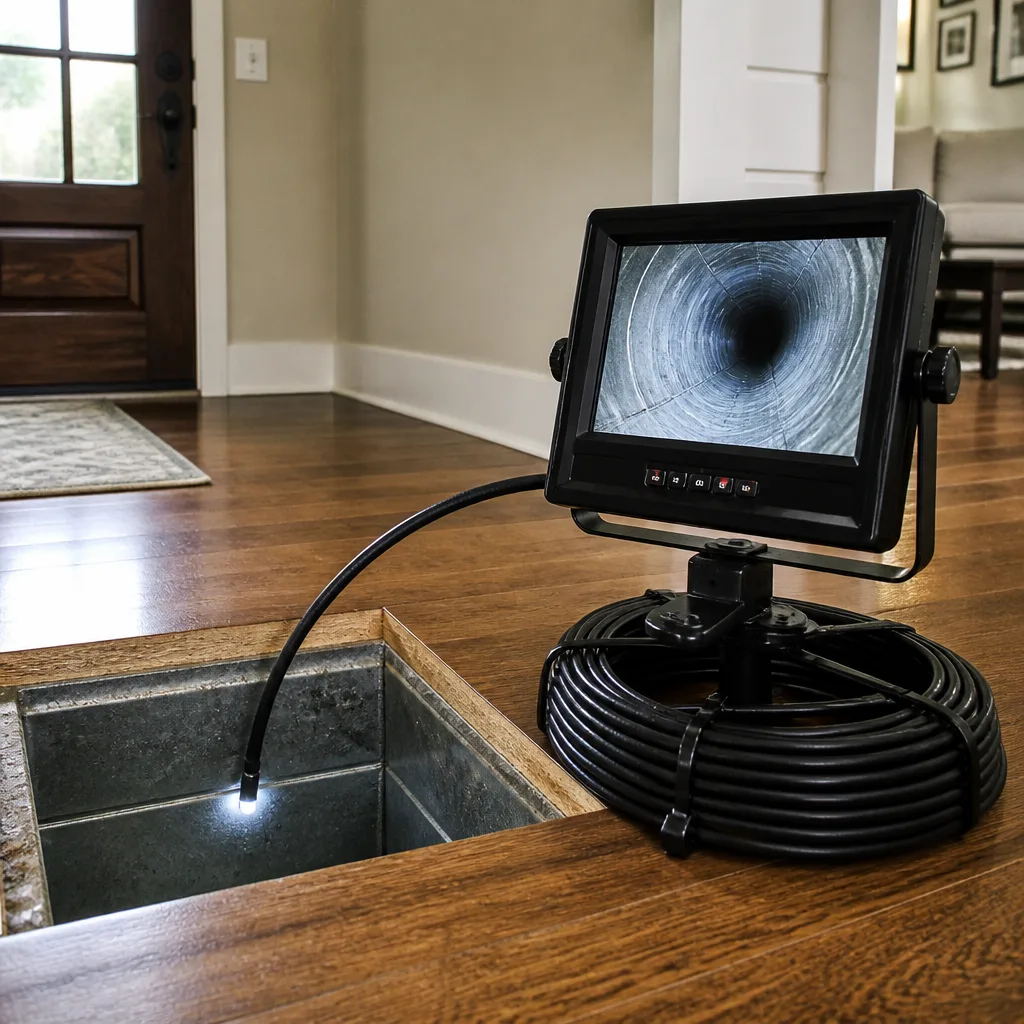 Camera inspection
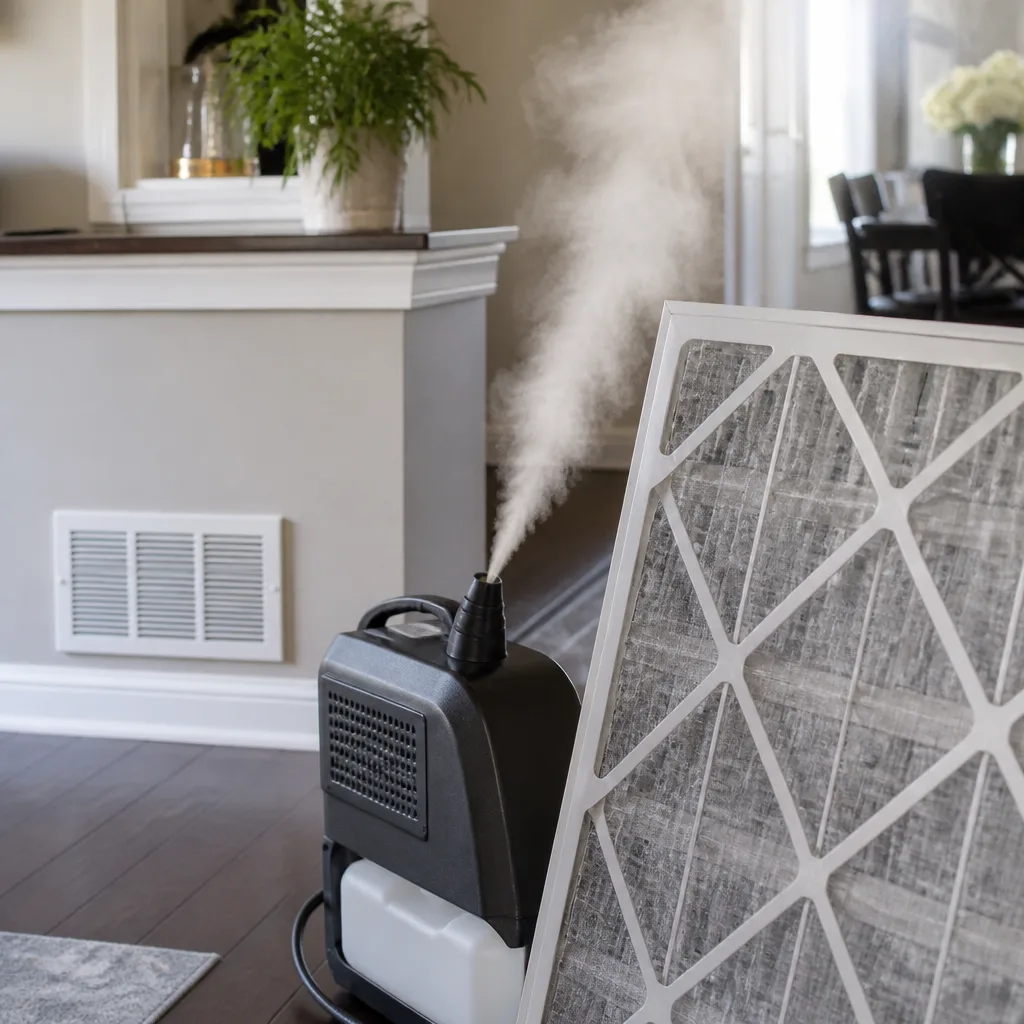 Sanitizing & deodorizing
Whole-system duct and dryer vent check with before-and-after photos - you see exactly what came out of your vents
That "$99 whole-house special" is a bait ad - the real number appears once they are in your hallway, or the "clean" is a shop-vac at the register. We photograph the inside of your ducts before and after instead.
Air Duct Cleaning Permits, Codes & Inspections in Cape Coral, FL: What You Need to Know
Here’s the part most homeowners get wrong: the cleaning itself isn’t the regulated activity. The moment a technician reaches into your ductwork and changes something, Florida law treats it differently. Cleaning a duct is one thing. Reconnecting, sealing, resizing or replacing a duct is licensed mechanical work. That line matters in Cape Coral, where a lot of duct cleaning happens in older homes with flex runs that have already been patched once or twice. This guide walks through what Florida law actually says, how to check a contractor’s license, what happens when a cleaning uncovers a code problem, and how a real estate inspection can surface unpermitted duct work years after it was done.
Quick Answer
Routine air duct cleaning in Cape Coral does not require a permit, because it doesn’t alter the mechanical system. Any repair or modification to the ductwork itself – sealing a disconnected run, replacing flex duct, changing a trunk line, adding or removing a return – is mechanical contracting work under Florida law and must be done by a licensed mechanical contractor, sometimes with a permit. Always verify licensing through the Florida DBPR before anyone touches your ducts.
Styles & brands we work with
- Whole-home duct cleaning
- Dryer vent cleaning
- Camera inspection
- Sanitizing & deodorizing
Table of Contents
- Where Florida law draws the line between cleaning and duct work
- What Cape Coral requires for HVAC-adjacent work
- How to verify a contractor’s license in Florida
- What to do when cleaning reveals a code violation
- How unpermitted duct work complicates a Cape Coral home sale
- Insurance and mold remediation: where duct cleaning fits
- What a duct inspection actually covers
- Common mistakes to avoid
Where Florida Law Draws the Line Between Cleaning and Duct Work
Florida Statute 489 is the chapter that governs contractors, and it’s specific about what counts as contracting. Cleaning the interior surfaces of a duct system is maintenance. Modifying, repairing or installing any part of that duct system is contracting, and in most cases it requires a licensed mechanical contractor. That’s the whole distinction, and it’s the one homeowners rarely hear before a truck pulls into the driveway.
What counts as “cleaning” is narrower than people assume. In our experience, a legitimate cleaning job means:
- Mechanical agitation of duct surfaces with a rotary brush or whip
- Negative pressure containment so dislodged debris leaves the system
- HEPA filtration of the exhaust air
- Cleaning of registers, grilles and accessible plenum surfaces
- Photographic documentation before and after
What counts as “duct work” – and pulls the job into licensed territory – includes:
- Reconnecting a duct run that has come loose from a boot or trunk
- Replacing a section of flex duct
- Sealing joints with mastic or approved tape as a permanent repair
- Adding, removing or relocating a supply or return
- Resizing a trunk line to correct static pressure problems
- Any work that changes the system’s air balance or capacity
That’s why the equipment matters. A technician running an air duct cleaning with a Rotobrush rotary brush and Nikro negative-pressure HEPA unit is doing maintenance. The same technician who finds a disconnected flex run and reconnects it on the spot without a mechanical license is doing unlicensed contracting – even if the homeowner asked them to “just fix it while you’re here.” That’s a real liability shift, and it’s why we separate cleaning from duct cleaning Cape Coral repair work in our own service lines.
What Cape Coral Requires for HVAC-Adjacent Work
Cape Coral issues permits through its Building Division, and the rule of thumb is that anything that alters a permitted system needs a permit. Duct cleaning doesn’t alter a system. Duct repair, replacement of a section of ductwork, or changes to the air distribution layout generally do, especially when the work touches the mechanical permit that was originally pulled for the HVAC installation.
What that means practically for a Cape Coral homeowner:
- Cleaning only – no permit. A standard Duct Cleaning Cape Coral job on an intact system needs no city approval.
- Duct repair – verify license first. Any reconnection, sealing, or flex replacement is mechanical work. Ask for the license number and check it before work starts.
- Duct modification – ask about permits. Adding a return, changing a trunk, or rerouting a run usually requires a permit pulled by the licensed contractor, not the homeowner.
- Post-storm repairs – check the permit trail. Cape Coral’s summer storm season can loosen duct connections and shift flex runs. If a repair happened without a permit, that can surface later during a sale.
Cape Coral’s housing stock makes this more pressing than it sounds. A large share of homes here were built during the 2000s boom and are now old enough that original flex duct is brittle at the connections. That brittleness is exactly where a cleaning can expose a pre-existing problem. When we run into that, we tell the homeowner what we see, document it with photos, and hand off the repair to licensed mechanical work rather than quietly “fixing” it ourselves.
If the work is HVAC-adjacent and not strictly duct work – say a plenum modification or a filter housing change – ask the city’s building department directly. We aren’t the permit authority and this guide isn’t legal advice. What we can tell you is what we see day to day.
How to Verify a Contractor’s License in Florida
The Florida Department of Business and Professional Regulation (DBPR) runs a free public license lookup, and it takes about two minutes. Every contractor doing mechanical work in Cape Coral should appear there with an active status and the correct license class. If they don’t, stop the job.
Here’s the verification process we recommend:
- Ask for the contractor’s license number in writing – by text, email, or on the estimate.
- Go to the DBPR license lookup portal and search by license number or by business name.
- Confirm the license type matches the work. Mechanical contractor for duct modification and repair. Air conditioning contractor for related work.
- Check the status – active, delinquent, suspended or null are all different, and only active is fine.
- Confirm insurance coverage on file. General liability is the minimum for any work inside a home.
- Ask whether the specific scope you’re being quoted requires a permit, and who pulls it.
For a cleaning-only job, the license requirement is different because it’s not contracting work. But that doesn’t mean you should hire whoever has the cheapest coupon. Cleaning requires professional-grade equipment to be done right. A shop-vac rig can’t generate the negative pressure needed to pull debris out of a 30-foot trunk run – it just stirs it up. Rotobrush, Nikro and Abatement Technologies equipment are the tools we use because they’re what professional remediation contractors use, and they hold up under real workloads in Cape Coral homes with years of accumulated dust.
Ask any contractor what machine they’re bringing and whether they’ll show you before-and-after photos of your own ducts, not stock photos off a website. The answer tells you more than any license check alone.
What to Do When Cleaning Reveals a Code Violation
Cleaning frequently surfaces problems that were there before we arrived: improperly sealed returns, disconnected trunk lines, crushed flex duct in tight runs, ductwork run through unconditioned attic space without insulation, flex duct resting directly on ceiling joists without support. These are code issues, not cleaning issues, and the fix belongs to a licensed mechanical contractor.
Here’s the sequence to follow when a cleaning uncovers one:
- Stop the cleaning if safe. If the system has an active leak or a disconnected return pulling attic air into the living space, cleaning won’t fix that. Note it and move on.
- Get it documented. Photos and a written description of the issue. This matters if the problem existed before the cleaning.
- Ask whether it’s a life-safety issue. Disconnected returns in a home with a gas furnace are a combustion-safety concern, not a comfort concern. That moves to the front of the queue.
- Get it fixed by a licensed mechanical contractor. Not the cleaning crew, not a handyman. The work is mechanical contracting under Florida law.
- If it needs a permit, pull it. Cape Coral’s Building Division can tell you what requires one and what doesn’t.
- Re-clean after the repair. A repaired duct system distributes new dust from sealants and materials. Clean after the fix, not before.
The temptation is to let the cleaner “just seal it” to save a second visit. That’s exactly where a homeowner can end up with unpermitted, unlicensed work on paper that will follow the house when it sells. We won’t do it, and we’d tell you to be wary of anyone who offers.
One more note for older Cape Coral homes: a disconnected return pulling hot attic air into the system is common in homes with attic-mounted air handlers. That’s a real efficiency problem and a code problem, and it’s why Cape Coral HVAC and duct contractors deal with so many of them.
How Unpermitted Duct Work Complicates a Cape Coral Home Sale
Home inspections in Florida almost always flag unpermitted improvements, and duct work is no exception. A buyer’s inspector who finds a trunk line reconnected with duct tape, a modified return, or flex duct routed in a way that doesn’t match the original mechanical permit will note it on the report. That note can become a repair request, a credit, or in a slow market, a reason for the buyer to walk.
The bigger problem is the paper trail. Unpermitted work is often invisible from a home inspection’s visual walk-through. It becomes visible when the buyer’s agent asks for permit history from the city. Cape Coral’s Building Division keeps those records, and they are public. If a duct modification was done without a permit, it will show up as missing.
Here’s how it usually plays out in a sale:
- The inspector notes evidence of duct modification – new flex, non-standard connections, or sealed joints that don’t match the surrounding original work.
- The buyer’s agent pulls the permit history and finds no mechanical permit for the work.
- The buyer requests a retroactive permit or a credit to cover the cost of making it compliant.
- If the work can’t be retroactively permitted because it wasn’t to code, the credit grows, and the deal gets renegotiated or dies.
That’s not a rare scenario in Cape Coral. Homes here change hands regularly, and a large share of them have had HVAC work at some point. If you’re planning to sell within a few years, getting duct work properly permitted now saves the negotiation later. If you’re buying, ask for permit history before you sign, not after.
We’ve seen this come up often enough that we now recommend a duct inspection before listing for any Cape Coral home with mechanical work in its recent history. A professional duct cleaning plus a documented inspection gives you a clean paper trail that stands up to a buyer’s questions.
Insurance and Mold Remediation: Where Duct Cleaning Fits
When duct cleaning and mold are in the same conversation, the protocols change. Standard duct cleaning removes dust and debris. It is not mold remediation, and it doesn’t count as a mold remediation protocol in the way insurers and indoor air quality standards expect.
Florida’s mold assessment and remediation industry is regulated by the Department of Business and Professional Regulation under Chapter 468, Part XVI. Mold remediation contractors are licensed under a separate license class from mechanical contractors. That’s the statutory picture, and it’s the reason we’re careful about which jobs we take.
What that means in practice:
- Dust and debris accumulation – duct cleaning. No mold, no moisture problem, no remediation license needed.
- Visible mold growth inside ducts – remediation, not cleaning. This involves containment, negative air pressure, HEPA filtration, and usually a licensed mold assessor’s report. Abatement Technologies air filtration devices are the standard equipment because the containment is the point.
- Suspected mold – don’t clean first. Cleaning a mold-contaminated duct system without proper containment can spread spores through the living space. Stop, get an assessment, and proceed from there.
- Insurance – check coverage before work starts. Some homeowners’ policies cover the source of a mold problem (a water leak, for example) but not remediation itself. Others cover the remediation but not the source. Ask your insurer before authorizing work.
The cleanest workflow when mold is suspected: a licensed mold assessor writes a protocol, a licensed mold remediation contractor executes it, and duct cleaning happens after remediation is complete and cleared. We can coordinate with remediation contractors when a Cape Coral home needs that sequencing, and we use the same Abatement Technologies equipment those contractors use on remediation jobs.
If you’re not sure which category you’re in, call your insurer before you authorize anything. That’s the safest answer.
What a Duct Inspection Actually Covers
A duct inspection walks through the visible and accessible portions of the system and documents their condition. It doesn’t guarantee what’s happening behind drywall, and it doesn’t certify code compliance – that’s a permitting and inspection function. But it does tell you what you’re working with.
A typical inspection includes:
- Visual inspection of accessible duct runs, plenums, boots, and connections
- Photographs of system condition before and after cleaning
- Notes on disconnected runs, crushed or kinked flex, or improperly sealed joints
- Filter condition and filter housing inspection
- Register and grille condition, including whether returns are pulling from conditioned space or attic space
- Signs of moisture or biological growth
- An honest list of what’s outside our scope – which is anything requiring a mechanical license to fix
If the system has a Honeywell or Aprilaire filter or air quality component, we inspect that too. Those systems sit at the boundary between duct cleaning and air quality work, and understanding how the whole air handling setup functions is part of a proper inspection. Guardsman protective products are part of our cleaning and treatment process where appropriate.
For residential and commercial property customers, the inspection report is the deliverable. The cleaning is a separate step, and the repair is a third step with a licensed contractor. Keeping those separate is what keeps the homeowner’s paper trail clean.
Cape Coral homes, especially those with attic-mounted equipment, benefit most from inspection at the change of season, before summer’s cooling load arrives or after a storm season when flex runs can shift or disconnect. We don’t publish same-day availability – cleaning is a scheduled job, and quality depends on scheduling it right. What we can tell you is that an honest inspection costs far less than an unpermitted repair discovered at closing.
Common Mistakes to Avoid
- Letting a cleaner “just reconnect” a loose duct. Reconnecting, sealing, or replacing duct is mechanical contracting under Florida law. Ask for the license, and if they don’t have one, they shouldn’t be doing the repair.
- Assuming a permit is required for cleaning. It isn’t, and anyone who tells you cleaning needs a mechanical permit is selling you something. The permit question is about repair and modification, not cleaning.
- Not checking the DBPR portal. The Florida DBPR license lookup is free and takes minutes. If a contractor won’t give you a license number in writing, that’s the answer.
- Treating a duct cleaning like mold remediation. They’re different jobs with different licensing, different containment protocols and different insurance treatment. In Cape Coral’s humid summers, ducts stay damp long enough to support growth – if you see it, get an assessment first.
- Hiring based on the coupon price. Cheap cleaning rigs don’t generate real negative pressure, and the “cleaning” ends up stirring debris into the living space. Ask what machine they bring and whether you’ll get photographs of your own ducts.
- Ignoring permit history before selling. Cape Coral’s Building Division keeps records, and a buyer’s agent will pull them. Get unpermitted duct work legalized before a listing, not after an inspection report lands.
- Cleaning before a needed repair. If the ducts need fixing, clean after the fix. Cleaning first just puts fresh dust into a system that’s still leaking.
See the difference
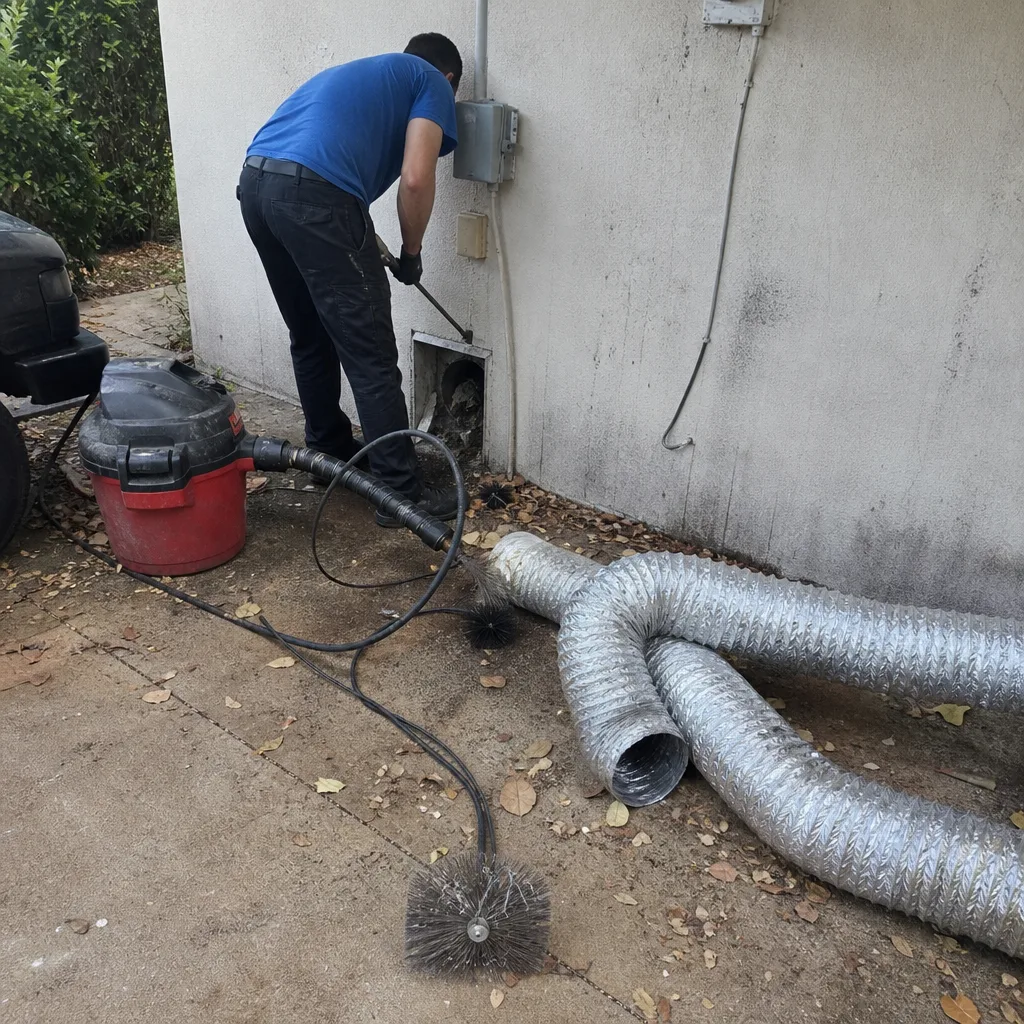 Before
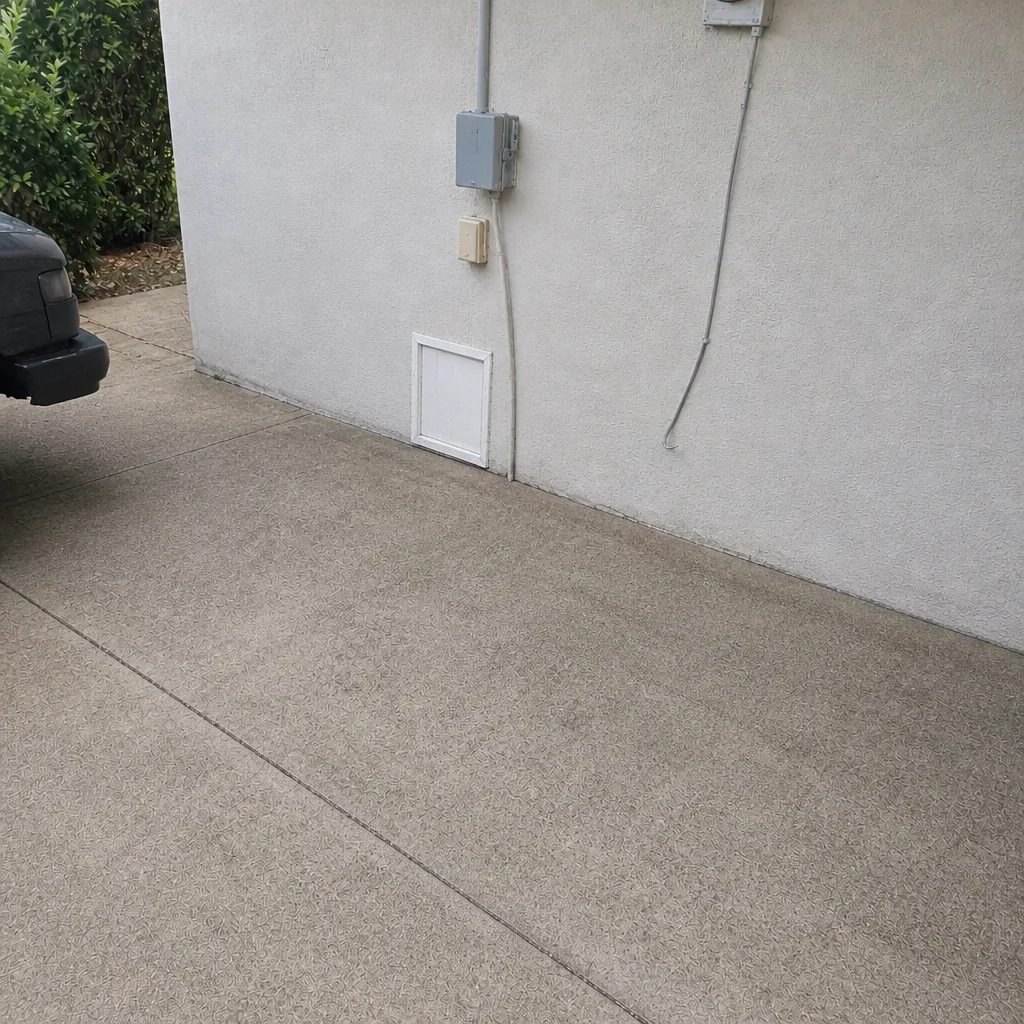 After
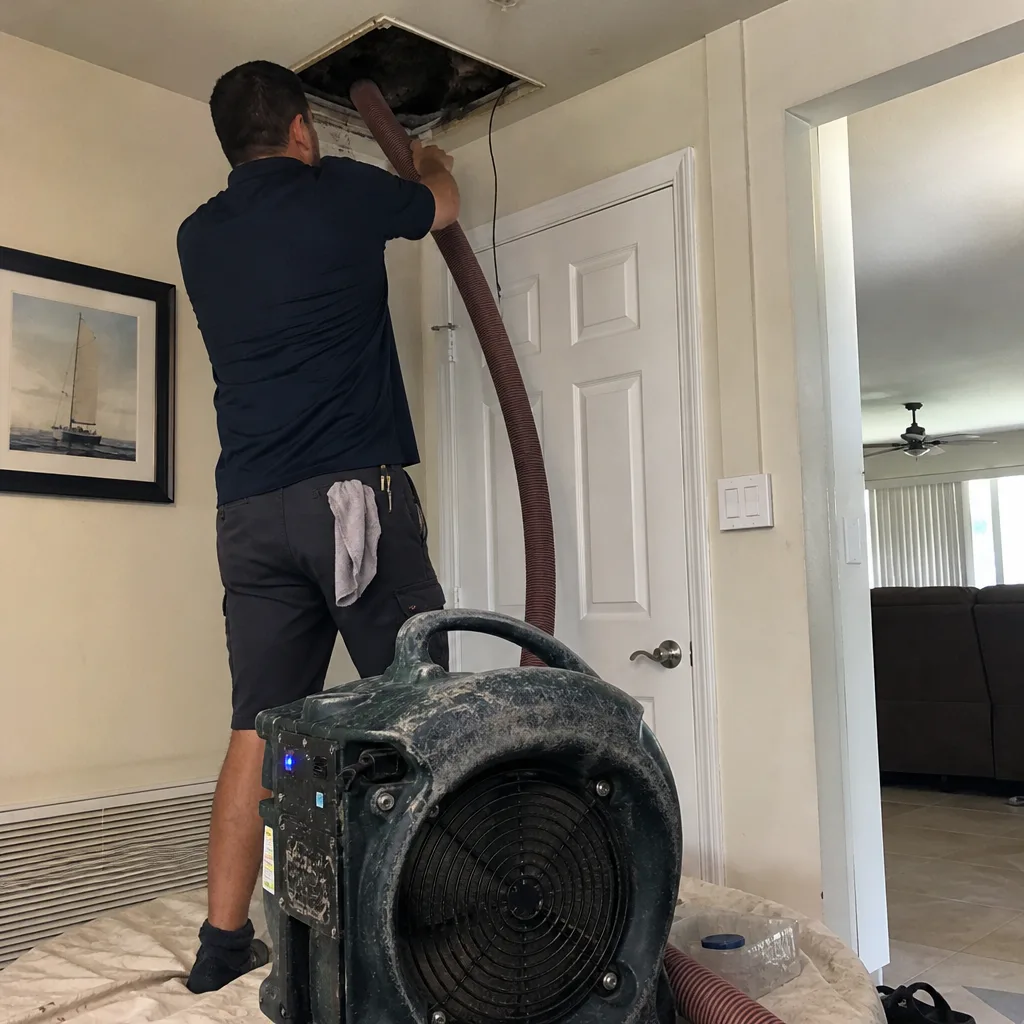 Before
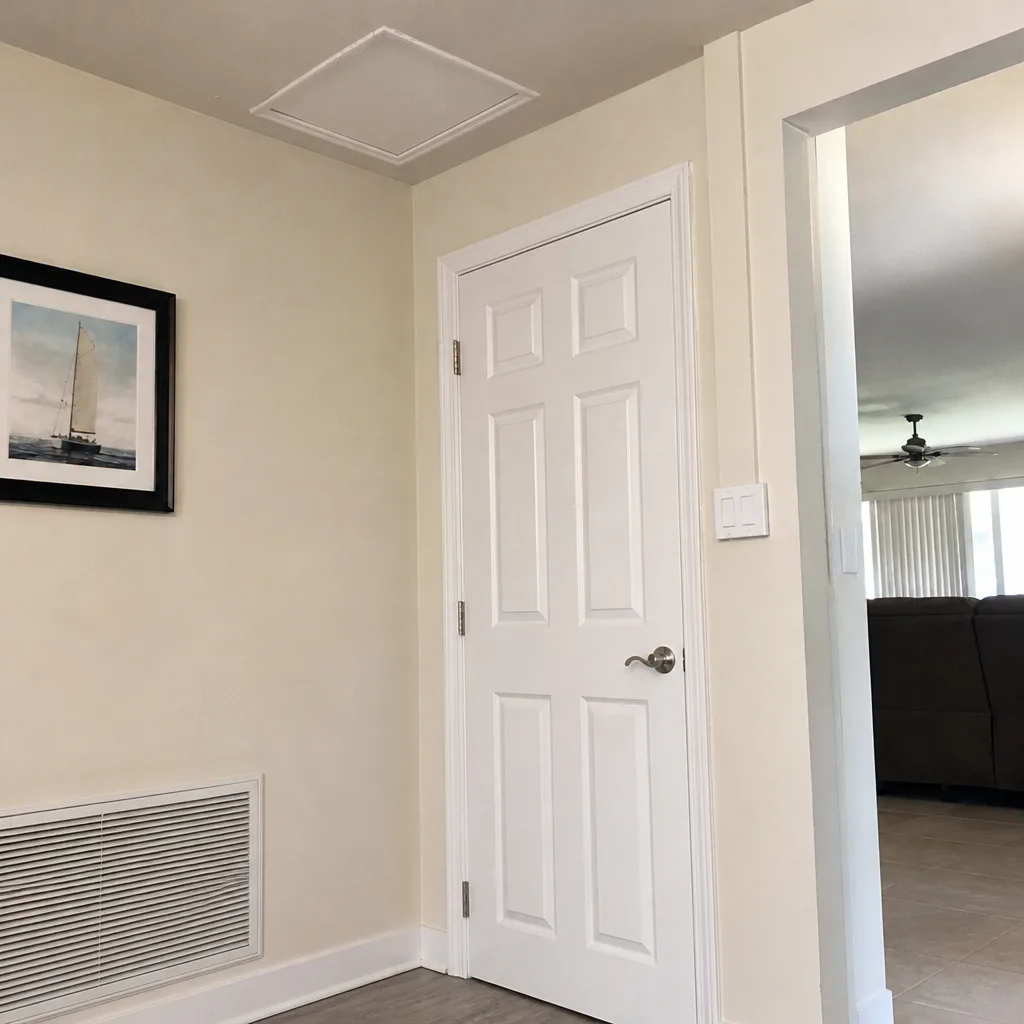 After
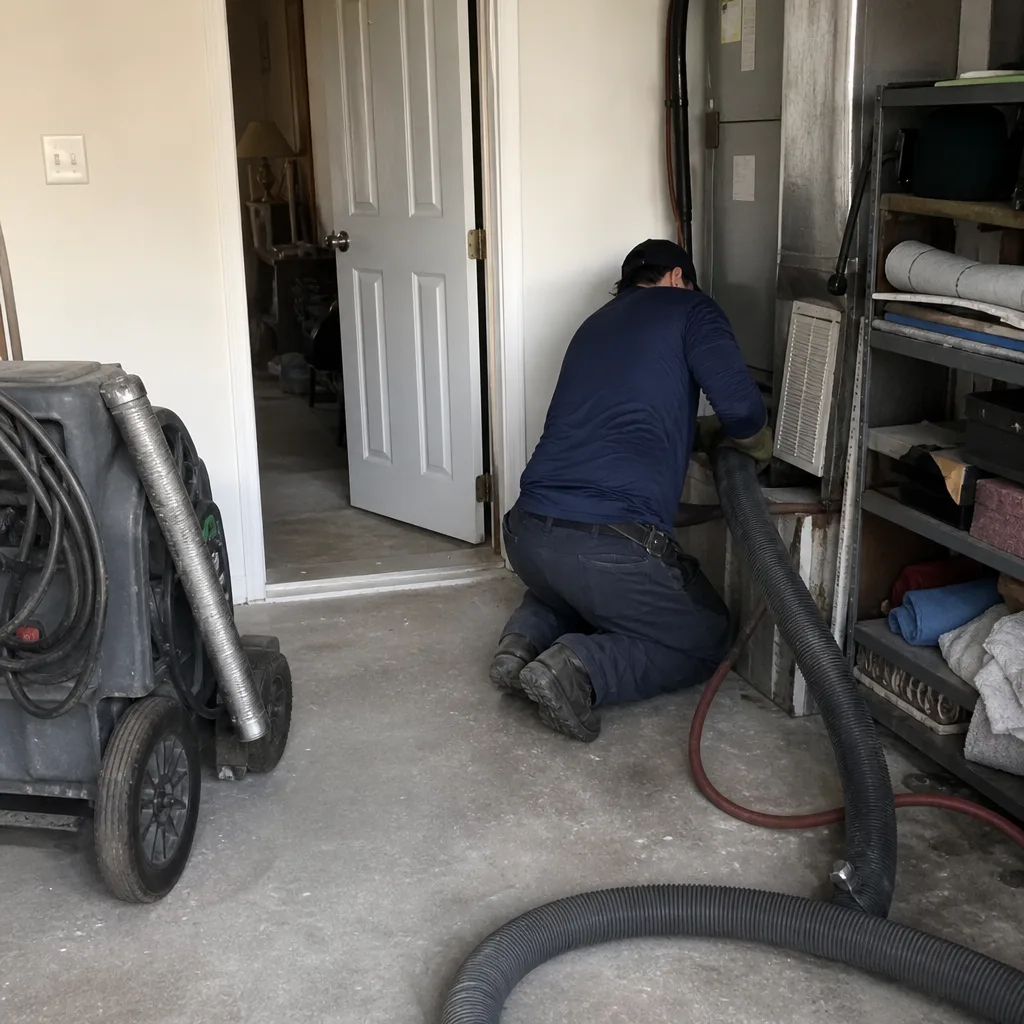 Before
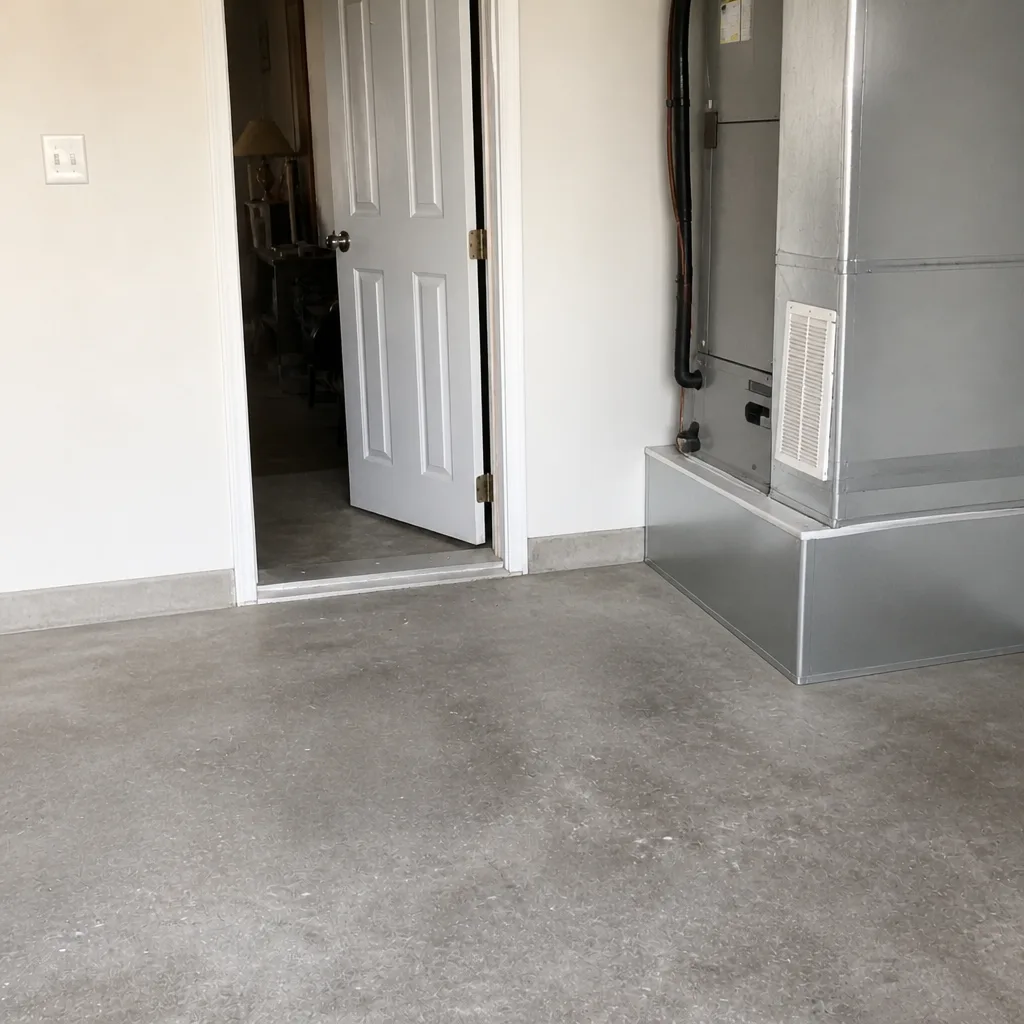 After
When to Call a Professional
Call a professional when the ducts are visibly dirty, when you’re seeing dust buildup on surfaces within days of cleaning, when there’s a musty smell any time the system runs, when someone in the home has worsening allergy symptoms, or when a recent HVAC inspection flagged the ducts as part of the issue. For dryer vent cleaning, call before the vent looks blocked – the lint that builds up inside a dryer vent is a fire-safety concern that doesn’t announce itself until it does. If you’re selling a Cape Coral home and there’s no permit history for recent duct work, an inspection now saves a negotiation later. Duct Cleaning Cape Coral offers free estimates in Cape Coral – call (877) 384-7616. We answer 24/7. Fast dispatch from 7am to 7pm, Sunday through Friday.
Frequently Asked Questions
No. Air duct cleaning in Cape Coral does not require a permit because it doesn’t alter the mechanical system. What requires a permit and a licensed mechanical contractor is repairing, replacing or modifying any part of the ductwork itself. If the job scope includes reconnecting a loose flex run or sealing a leak permanently, that moves it into licensed contracting territory. Call (877) 384-7616 for an exact quote on a cleaning – estimates are free.
Duct cleaning itself is not a licensed activity in Florida because it’s maintenance, not contracting, under Florida Statute 489. Duct repair, duct replacement and duct modification are licensed mechanical work and require a licensed mechanical contractor, and often a permit. Mold remediation involving ductwork is a separate license class under Chapter 468, Part XVI. Ask any contractor which category their work falls into before you authorize it.
Nothing gets fixed by the cleaning crew. A disconnected duct is a mechanical repair under Florida law, and it has to be done by a licensed mechanical contractor. The cleaning crew should document the issue, photograph it, and stop. Then the repair gets done with the right license and the right permit, and the system gets cleaned after the repair is complete. We can help you find a licensed mechanical contractor if you don’t have one.
Ask for the license number in writing, then look it up on the Florida DBPR license lookup portal. Confirm the license status is active, the license type matches the work, and insurance coverage is on file. If the contractor won’t give you a license number in writing, don’t hire them. For cleaning-only work the licensing requirement is different, but the equipment and documentation questions still apply.
It can. A buyer’s home inspector who finds evidence of unpermitted duct modifications will flag it, and the buyer’s agent can pull permit history from Cape Coral’s Building Division. That history is public, and unpermitted work can turn into a credit request or a deal-killer. A documented duct cleaning plus inspection before you list gives you a clean paper trail and answers buyer questions before they become a problem.
Usually not for routine cleaning – it’s considered maintenance. Insurance may cover duct cleaning and remediation when it’s tied to a covered event like a water leak that caused mold growth, but the coverage terms vary widely and you need to confirm with your insurer before authorizing work. If mold is suspected in the ducts, get a licensed mold assessment first, since remediation is a different license and different protocol from cleaning.
Cheap quotes usually mean cheaper equipment. A truck-mounted or portable vacuum rig that can’t generate real negative pressure won’t pull debris out of a long trunk run – it just stirs it into the house. The professional-grade machines (Rotobrush, Nikro, Abatement Technologies) cost significantly more to run, and that shows up in the price. Ask what equipment will be on site and whether you’ll get photos of your own ducts before and after. Call (877) 384-7616 for an exact quote.
Ask for before-and-after photographs of your own ductwork, not stock images. A proper cleaning also includes visible evidence at the registers and a written description of what was found. If the contractor can’t show you what they found and what they cleaned, assume it wasn’t cleaned. We photograph every job as a standard part of the process.
The Bottom Line
Cleaning your ducts in Cape Coral doesn’t require a permit because it’s maintenance, not contracting. The moment the work touches the ductwork itself – a reconnection, a repair, a modification – it moves into licensed mechanical contractor territory under Florida Statute 489, and it may require a permit through Cape Coral’s Building Division. Verify licensing through the Florida DBPR before any repair work starts, document anything a cleaning uncovers, and get the repair done by a licensed contractor before the system is cleaned again. If the situation involves visible mold, treat it as remediation with its own licensing and insurance requirements, not as part of a cleaning. Hire on equipment and documentation, not on the lowest coupon price. Duct Cleaning Cape Coral uses Rotobrush, Nikro and Abatement Technologies equipment because the cleaning has to actually work, and we’ll tell you honestly when a job falls outside cleaning and needs a licensed mechanical contractor. Our technicians have up to 8 years of experience. Call (877) 384-7616 for a free estimate. We answer 24/7. Fast dispatch from 7am to 7pm, Sunday through Friday.
Written by the team at Duct Cleaning Cape Coral.