
Last updated November 15, 2026
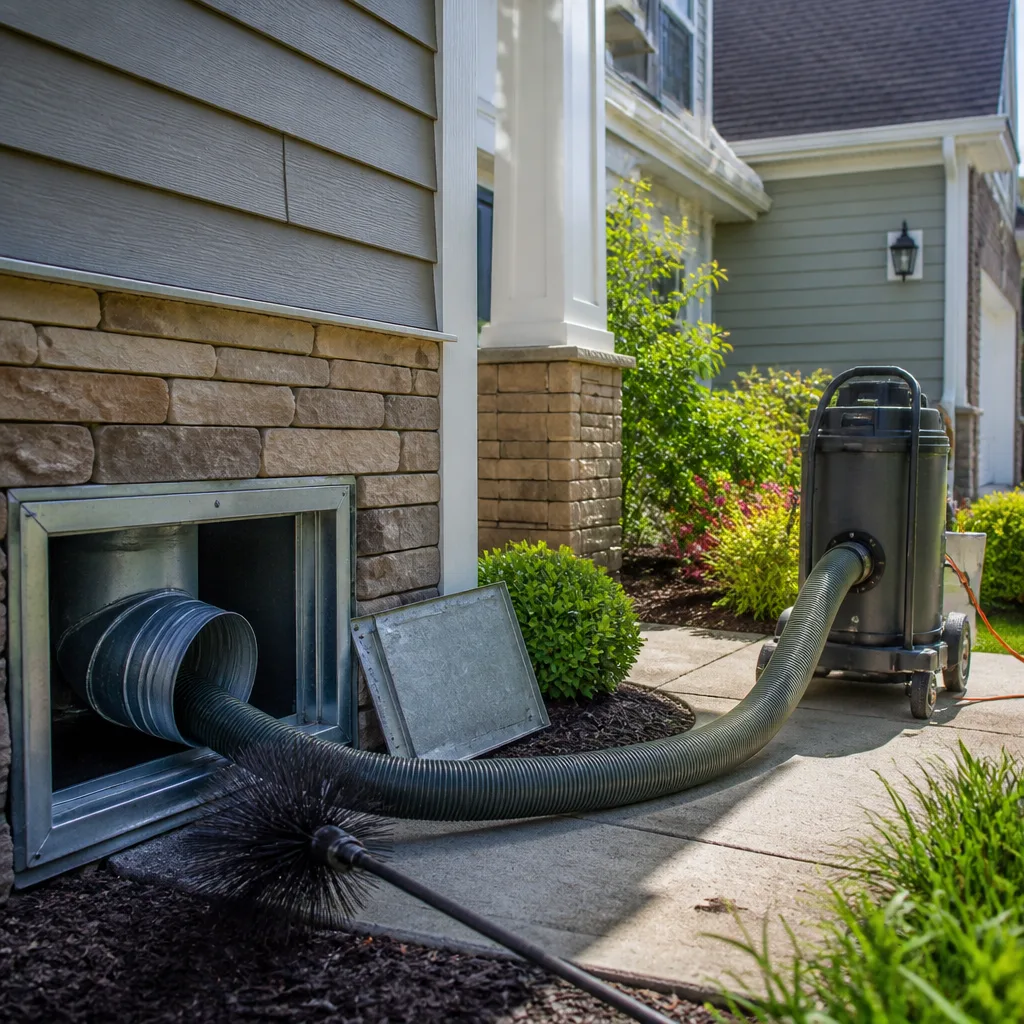 Whole-home duct cleaning
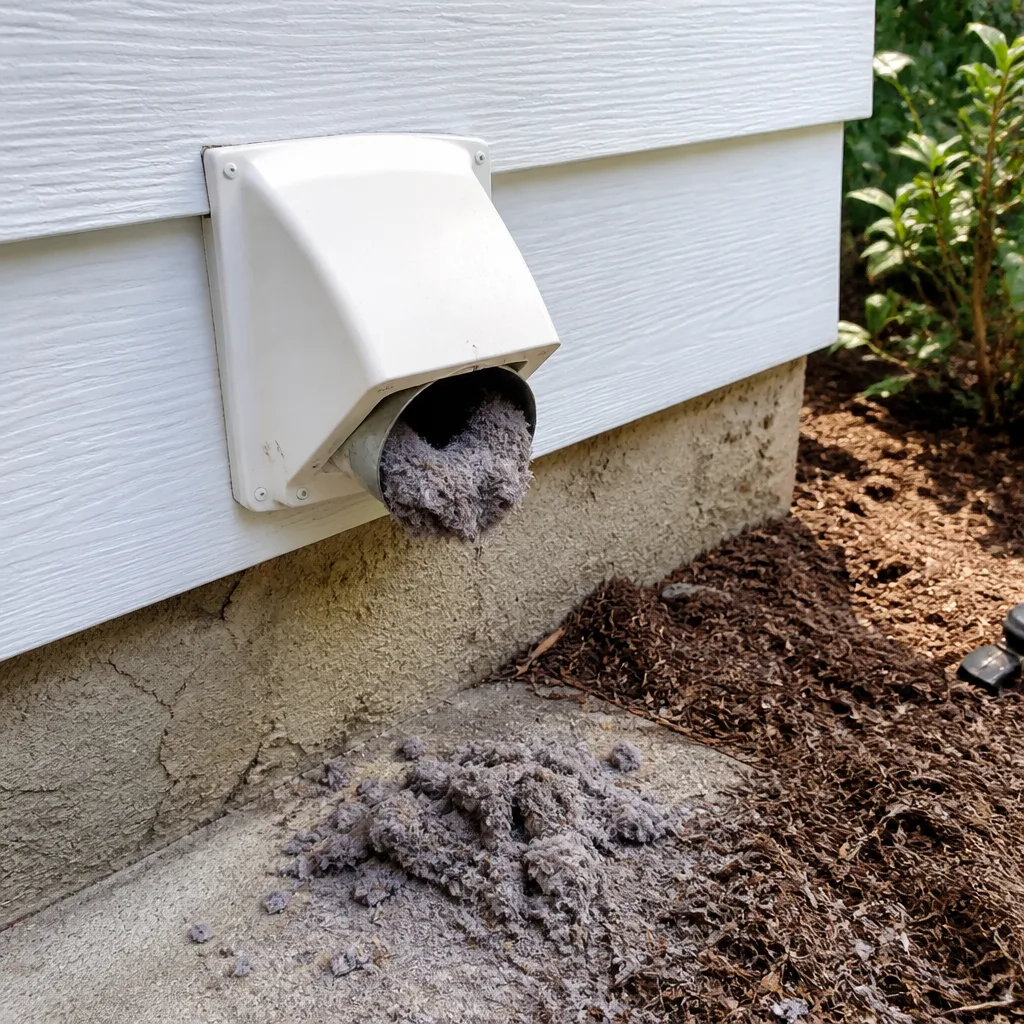 Dryer vent cleaning
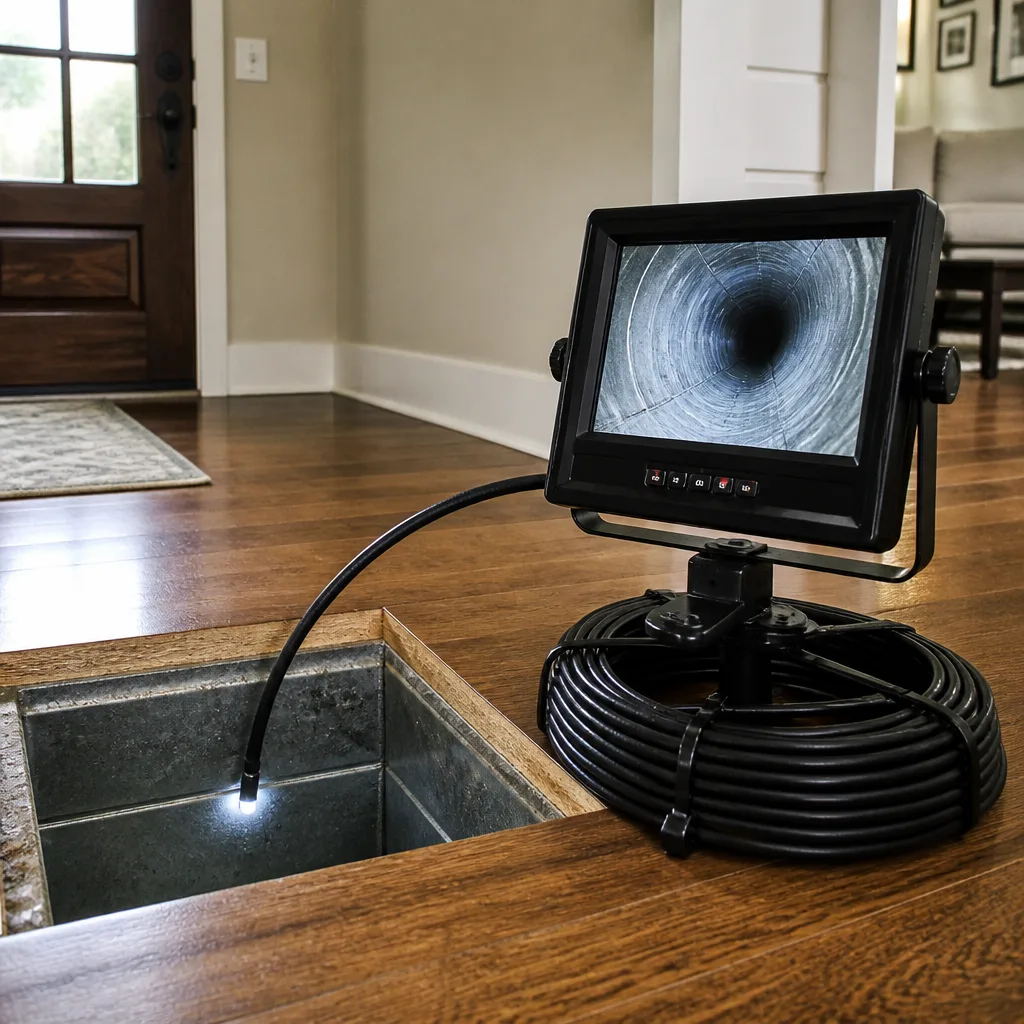 Camera inspection
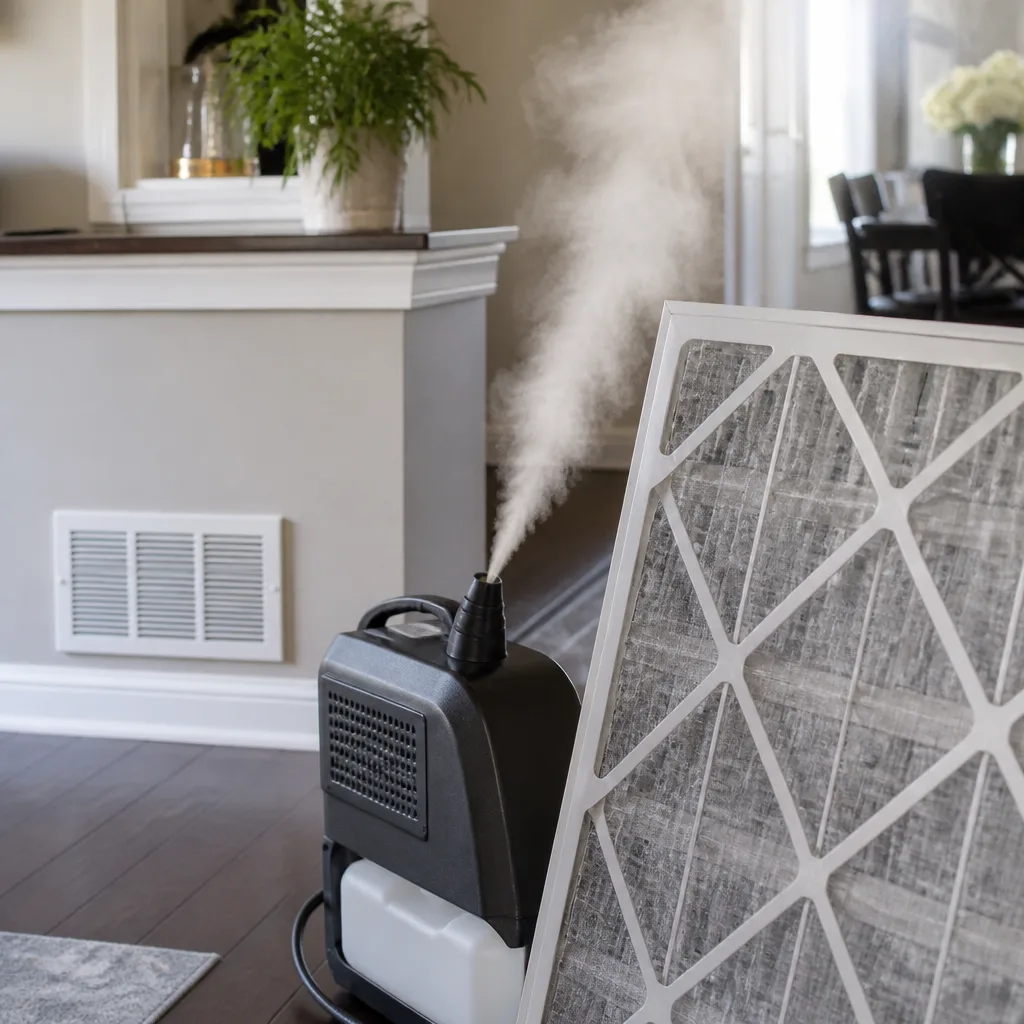 Sanitizing & deodorizing
Whole-system duct and dryer vent check with before-and-after photos - you see exactly what came out of your vents
That "$99 whole-house special" is a bait ad - the real number appears once they are in your hallway, or the "clean" is a shop-vac at the register. We photograph the inside of your ducts before and after instead.
DIY vs Professional Air Duct Cleaning: The Cape Coral Homeowner’s Decision Guide
A shop vac and a dryer vent brush can clean the first 18 inches of a duct opening. The average Cape Coral supply duct run is 15 to 40 feet. That math is where most DIY duct cleaning projects quietly end, usually with the homeowner on a ladder holding a hose that reaches a fraction of the system. We’re not here to talk you out of every DIY effort. Some of it genuinely helps. But there’s a real line between what a consumer tool can physically accomplish inside a duct and what it takes to remove built-up particulate from the whole system. This guide walks through exactly where that line sits in Cape Coral homes, what’s worth doing yourself, and when a professional cleaning stops being optional.
Quick Answer
DIY air duct cleaning is worth doing as light maintenance between professional cleanings – register cleaning, filter replacement, and vacuuming return grilles. It cannot perform source removal inside the duct runs, because consumer equipment can’t generate the negative pressure required to capture dislodged particulate before it re-enters your living space, and a shop vac hose can’t reach past the first few feet of a 15 to 40 foot supply run. A professional cleaning is the right call when contamination is biological, structural, or spread through the whole system – after renovation, after water intrusion, or when flex duct liner damage is present.
Styles & brands we work with
- Whole-home duct cleaning
- Dryer vent cleaning
- Camera inspection
- Sanitizing & deodorizing
Table of Contents
- What consumer tools can and cannot physically reach inside a duct
- Why negative pressure is the whole ballgame in source removal
- Cape Coral’s flex-duct construction and what it means for cleaning
- The DIY tasks that genuinely work, with correct technique
- Risks specific to DIY attempts in Cape Coral homes
- The decision framework: when DIY is fine and when it isn’t
- Common mistakes to avoid
- When to call a professional
What Consumer Tools Can and Cannot Physically Reach Inside a Duct
Start with the geometry. A residential supply run in Cape Coral typically runs 15 to 40 feet from the air handler to the farthest register, often routed through attic space above the ceiling or between floors. A shop vac hose is usually 6 to 8 feet. A rotary brush sold at a hardware store for duct use is typically designed for a few feet of straight run before flexibility becomes a problem. Neither reaches a mid-run contamination pocket, and neither turns a corner through a wye fitting.
Here’s what consumer tools can actually do:
- A wet/dry shop vac – pulls loose debris from the register boot and the first 12 to 18 inches of the duct. Useful. Effective on surface dust. Rest of the run: untouched.
- A hand-operated rotary brush – loosens surface dust on the reachable portion of flex duct. Also risks snagging on the liner (more on that below).
- Compressed air cans or an air compressor nozzle – dislodges dust. Doesn’t capture it. Every gram you loosen with compressed air without containment is a gram that finds its way back into the room air.
What they cannot do: produce the constant, directional negative pressure that separates real duct cleaning from dust shuffling. Loosen and remove contamination from the full length of every run. Reach the air handler’s return plenum. Inspect what they’ve actually removed, because there’s no filter media staged at the outlet to catch it. These limits don’t disappear with a better shop vac. They’re physical properties of the equipment class.
Why Negative Pressure Is the Entire Point in Source Removal
Professional duct cleaning is built around one principle: put the system under negative pressure, agitate the contamination loose, and pull it into a HEPA-filtered collection unit before it can escape into the house. That’s what “source removal” means. It’s not scrubbing – it’s containment plus extraction.
The requirement isn’t just “strong suction.” It’s sustained, high-CFM suction held at a specific point in the duct system – usually through a temporary access port cut at the plenum or a main trunk – while a rotary agitation tool works back through the run. The result is a pressure differential that keeps dislodged particulate moving toward the extraction point instead of drifting into the room. That’s the step almost every homeowner-led duct cleaning skips, because a shop vac pulls from wherever its hose is, not from a system-wide negative pressure zone.
It’s also the reason professional outfits carry the equipment they do. In our case, we run Nikro negative-pressure units with HEPA extraction, and Abatement Technologies air filtration – the same containment category specified for mold and contaminant abatement work. Those machines exist because residential duct cleaning without proper containment can make indoor air worse before it gets better, especially when biological contamination is present.
You can’t put a $120 shop vac in the same category. It’s not the same job. It’s not the same tool, and it’s not the same outcome.
Cape Coral’s Flex-Duct Construction and What It Means for Cleaning
Most Cape Coral homes built in the last 20 to 30 years use flex duct for their branch runs – the flexible, insulated, wire-reinforced duct common in Florida residential construction. Flex duct is efficient, cheap to install, and forgiving of imperfect attic routing. It’s also the single biggest reason DIY duct cleaning in Cape Coral carries more risk than DIY duct cleaning in older parts of the country where rigid galvanized ductwork dominates.
The problem is the liner. Inside a section of flex duct is a thin plastic sleeve held open by a wire helix and wrapped in fiberglass insulation. Insert a rigid brush or a shop vac nozzle at the wrong angle, and the liner tears. Once it tears, three things happen: the wire helix becomes a catch point for every future bit of dust, the insulation behind the liner can begin shedding fiberglass particulate into your air stream, and the torn section is now a permanent leak the rest of the system has to compensate for.
We’ve seen it repeatedly on Cape Coral homes where a homeowner tried a store-bought duct brush and then called us after the registers down one side of the house started running weak. The duct cleaning isn’t the hard part. The duct cleaning job turns into a duct repair job, because a torn flex liner can’t be cleaned back to working condition – it has to be cut out and replaced.
There’s a second Cape Coral factor: the climate. The area sits in a subtropical zone with a long cooling season and high indoor humidity during much of the year. Flex duct that already has a small tear or a poorly sealed boot becomes a condensation point. Condensation plus dust plus organic material is the starting formula for mold growth inside the duct. This is exactly the scenario where containment matters more than agitation, and exactly where a shop vac without HEPA filtration helps spread the problem rather than resolve it.
The DIY Tasks That Genuinely Work (With Correct Technique)
There’s a real category of duct-related maintenance that belongs in your hands, not a technician’s. Doing these well extends the time between professional cleanings and improves the day-to-day air quality in the house noticeably.
- Replace the HVAC filter on schedule. This is the highest-leverage maintenance task in the entire system, and it’s free of risk. Check the filter monthly during heavy cooling months, replace when the media is visibly grayed or the pleats are loaded. Match the MERV rating to what your system’s manufacturer specifies – higher MERV isn’t always better if the pressure drop is beyond what the blower can handle.
- Vacuum every supply and return register face. Use a brush attachment on a shop vac, low suction, and work along the louvers rather than across them. Register faces collect a surprising amount of dust and it’s all air that touches your living space first.
- Clean inside the register boots, not past them. Remove the register grille, then vacuum the visible interior surface of the boot – the short metal or flex section between the register and the start of the duct run. Reach only as far as your hand comfortably extends. Do not jam a brush past the boot into the flex run itself.
- Vacuum the return-air grille from the room side. The return pulls a large volume of air, and its grille catches a disproportionate share of dust. Gentle suction, no disassembly, no insertion of tools into the return plenum.
- Seal what you can see. Loose register screws, gaps around a register boot, a disconnected joint at the plenum – these are easy DIY wins with foil tape. Keep it to what you can reach safely from the room side.
What you should not do: insert anything past the register boot into the supply run, use an air compressor to “blow out” a duct, or attempt to clean a duct you can’t see into. Those three tasks sit squarely on the professional side of the line, for reasons covered above and below.
Risks Specific to DIY Duct Cleaning in Cape Coral Homes
The failure modes we see aren’t dramatic. They’re quiet, and they tend to show up months later as a slow decline in system performance or a musty smell that won’t go away.
- Flex duct puncture and liner tears. A rigid brush or the corner of a shop vac nozzle pivots badly in a flex run. Once a liner is torn, dust collects on the wire helix at a much faster rate than in the rest of the system, and the tear becomes a permanent leak. Repair requires cutting out and replacing the section.
- Disturbing fiberglass liner particulate. Older flex duct in Cape Coral sometimes has liner degradation on the interior surface. A brush that agitates that degradation sends fiberglass particulate into the airstream. That’s a health issue, not a cleaning outcome.
- Spreading mold spores without containment. This is the biggest one. If a duct has any level of biological growth – and Cape Coral’s humidity gives it ample opportunity – then agitation without HEPA containment spreads spores throughout the system and into the living space. The correct order of operations is containment first, agitation second, extraction last. A shop vac that exhausts back into the room follows none of those steps.
- Damaging the air handler blower or heat exchanger coil. Anything you dislodge further up the system that ends up at the coil can foul the fins and reduce system efficiency. Those components are not designed to catch the debris you’ve freed.
- Pushing contamination into a branch you weren’t targeting. A shop vac on one register creates air movement but no directional containment. Debris from the branch you’re cleaning can settle in an adjacent branch through a shared fitting.
If you’ve already attempted a DIY cleaning and something feels off – weak airflow, a new musty smell, visible fiberglass on a register – that’s a sign to stop and have the system inspected before doing anything else.
The Decision Framework: When DIY is Fine and When It Isn’t
The cleanest way to think about it: DIY maintenance is about what touches your living space. Professional duct cleaning is about what’s inside the walls.
DIY is appropriate when:
- The last professional cleaning was recent and the system has no known issues.
- You’re doing routine filter changes and register cleaning between professional visits.
- You want to seal obvious leaks at reachable register boots with foil tape.
- You’re maintaining return grilles and register faces on a regular schedule.
A professional cleaning is non-negotiable when:
- After a renovation or major construction. Drywall dust, sawdust, and construction debris migrate into the duct system during every renovation. Drywall dust is fine, abrasive, and aggressive on blower bearings and coil fins. It has to be removed with negative-pressure extraction, not wiped out at the registers.
- After water intrusion. Any event that moves moisture into the duct system – a roof leak, a condensate pan overflow, a tropical storm event with water intrusion – starts a biological clock. Damp debris inside a duct in Florida’s climate supports rapid growth. Containment-grade equipment isn’t a nice-to-have here. It’s the requirement.
- When biological contamination is suspected. Visible growth at a register, a persistent musty smell that doesn’t resolve with filter changes, or an occupant with allergy symptoms that ease when they’re away from the house. These are all inspection-and-containment jobs, not scrubbing jobs.
- When flex duct damage is present. Torn liners, disconnected sections, crushed runs. This is where duct cleaning and air duct repair overlap – and where the professional service earns its price, because the damaged section has to be replaced before the system can be cleaned properly.
- When dryer vent lint has built up. A dryer vent isn’t the same system as an HVAC duct, but it’s the one duct run with a genuine fire safety mandate. We treat dryer vent cleaning as its own dedicated service for exactly that reason, and it belongs on the professional side of the line without exception.
For a Cape Coral property manager managing multiple units, the framework shifts slightly: schedule professional cleanings on a fixed interval based on the property type and occupancy, and keep the DIY tasks – filters and registers – on a documented maintenance checklist between visits. The written record matters as much as the cleaning itself.
Common Mistakes to Avoid
- Assuming a stronger shop vac compensates for missing containment. A bigger motor moves more air, but it doesn’t create system-wide negative pressure or capture particulate at a HEPA filter. It just moves the problem farther and faster.
- Inserting any brush past the register boot into a flex duct run. This is the single most common cause of flex liner damage we see on Cape Coral systems. The first 12 inches past the boot is where a tear typically starts, and the whole run has to be replaced once it does.
- Using compressed air to “blow out” a duct. Compressed air dislodges dust but captures none of it. Every bit of loosened material ends up somewhere in the house, in the air handler, or in an adjacent branch.
- Skipping the HVAC filter during a DIY cleaning push. It sounds obvious, but a loaded filter defeats every other effort at once, because a restricted filter lets dust bypass the media edge and coat the coil and blower.
- Choosing a cleaning bid based on the lowest price alone. Very low duct cleaning quotes in this market typically reflect one of three things: no negative-pressure extraction, no HEPA filtration, or a technician who’ll be on a tight time budget when they arrive. Ask what equipment is used before you compare prices.
- Cleaning the ductwork while the air handler is running. Running the system during cleaning just distributes what you’ve loosened. The system stays off until extraction is complete.
- Treating a musty smell as a cleaning problem before ruling out moisture. If there’s an active leak, condensate issue, or a humid flex run at a badly sealed boot, cleaning alone won’t solve it. The moisture source has to be addressed first, which is why we offer air duct repair alongside cleaning rather than as a separate referral.
When to Call a Professional
Call for a professional duct cleaning when the contamination is in the system rather than on the registers. Post-renovation is the clearest case: drywall dust and construction debris have to come out with proper extraction or they’ll damage the blower and coil. Post-water-intrusion is the second: any moisture event inside the duct system in Cape Coral’s climate starts the clock on biological growth, and that requires HEPA-level containment to resolve safely. Suspected mold, a persistent musty smell, torn or disconnected flex duct, visible fiberglass on a register, or a dryer vent that hasn’t been cleaned are all cases where DIY stops helping.
For a system that’s structurally compromised, cleaning shows you where the leaks are, and air duct cleaning plus a proper repair of the affected section is the only combination that actually restores system performance. If you live in a nearby community and want the same approach, our Cape Coral service overview covers the areas we work in and the process in more detail.
Duct Cleaning Cape Coral offers free estimates in Cape Coral – call (877) 384-7616. We answer 24/7. Fast dispatch from 7am to 7pm, Sunday through Friday. We come out with the written estimate before work starts, so the price is set per job and there’s no surprise invoice after the technician is on site. Our technicians have up to 8 years of experience, use Rotobrush and Nikro equipment with Abatement Technologies containment, and take before-and-after photos so you can see what was removed.
See the difference
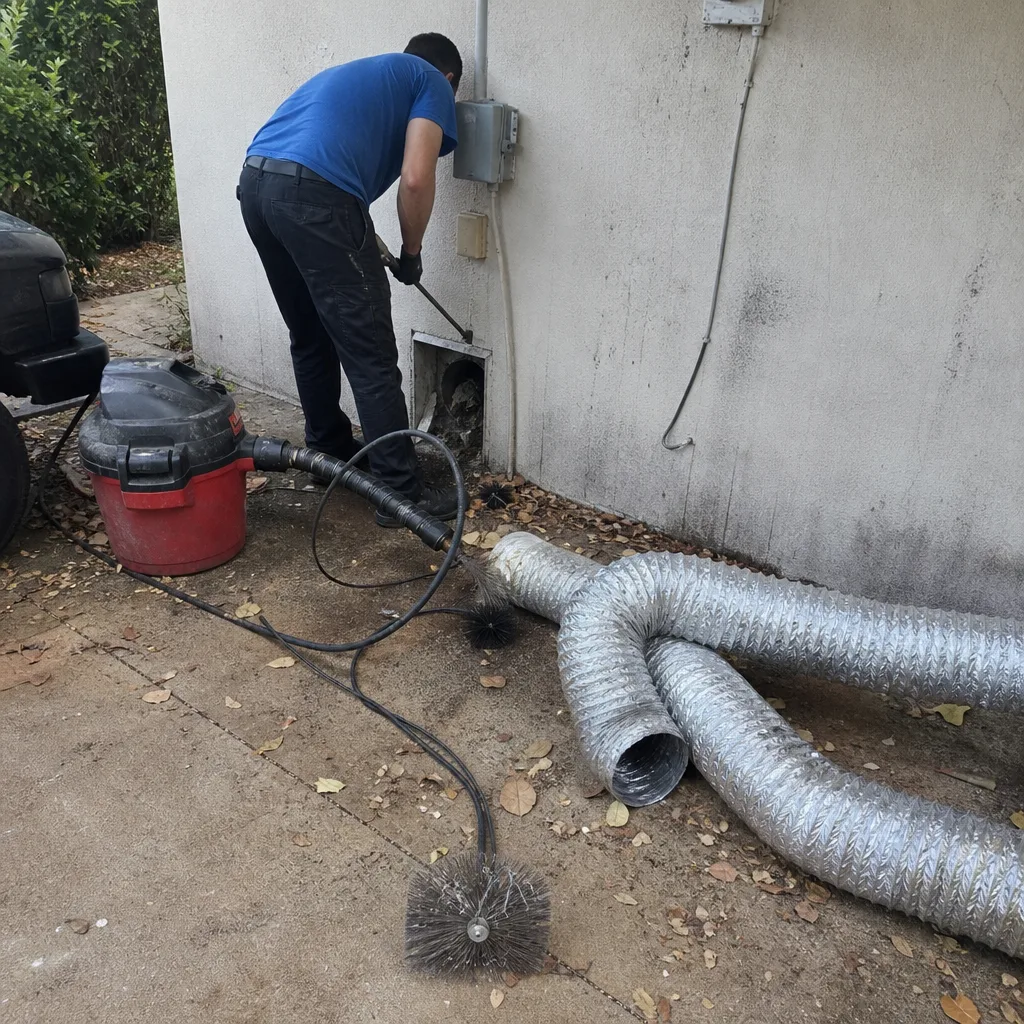 Before
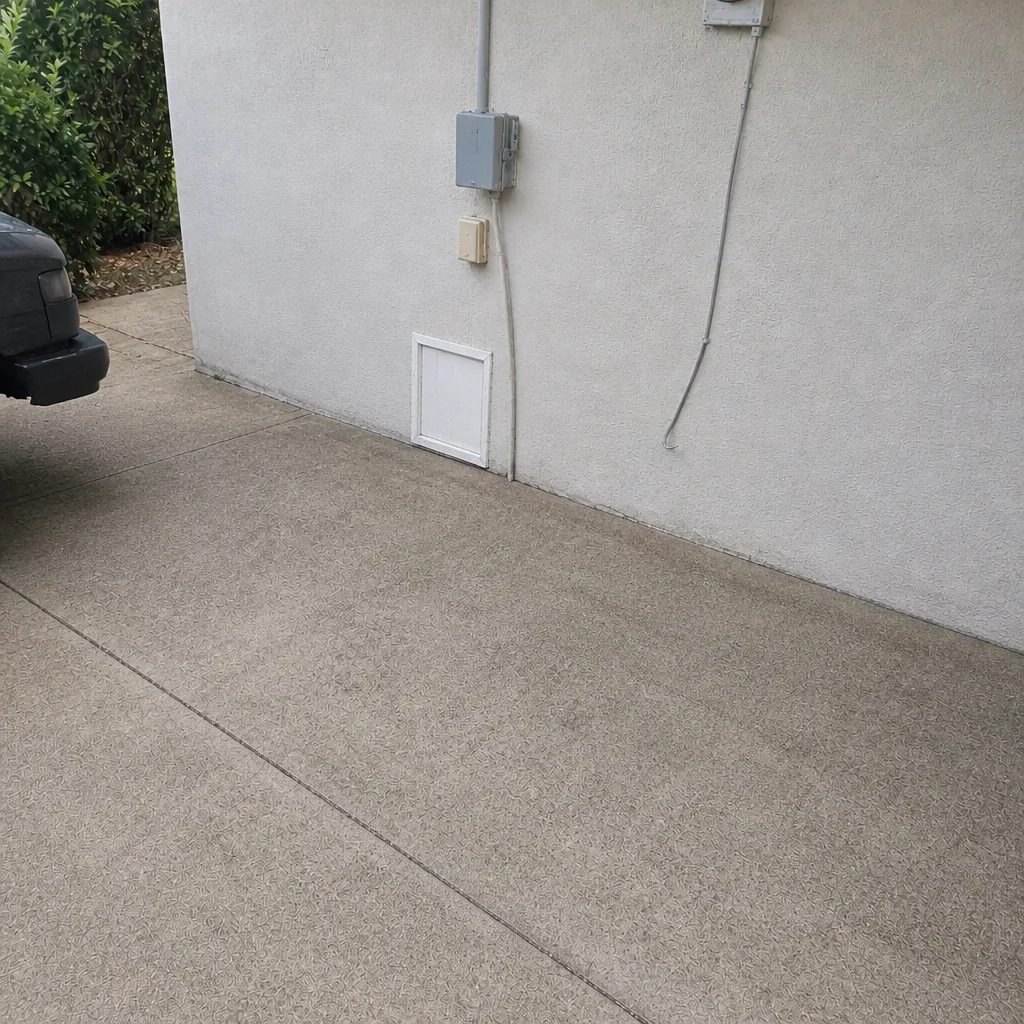 After
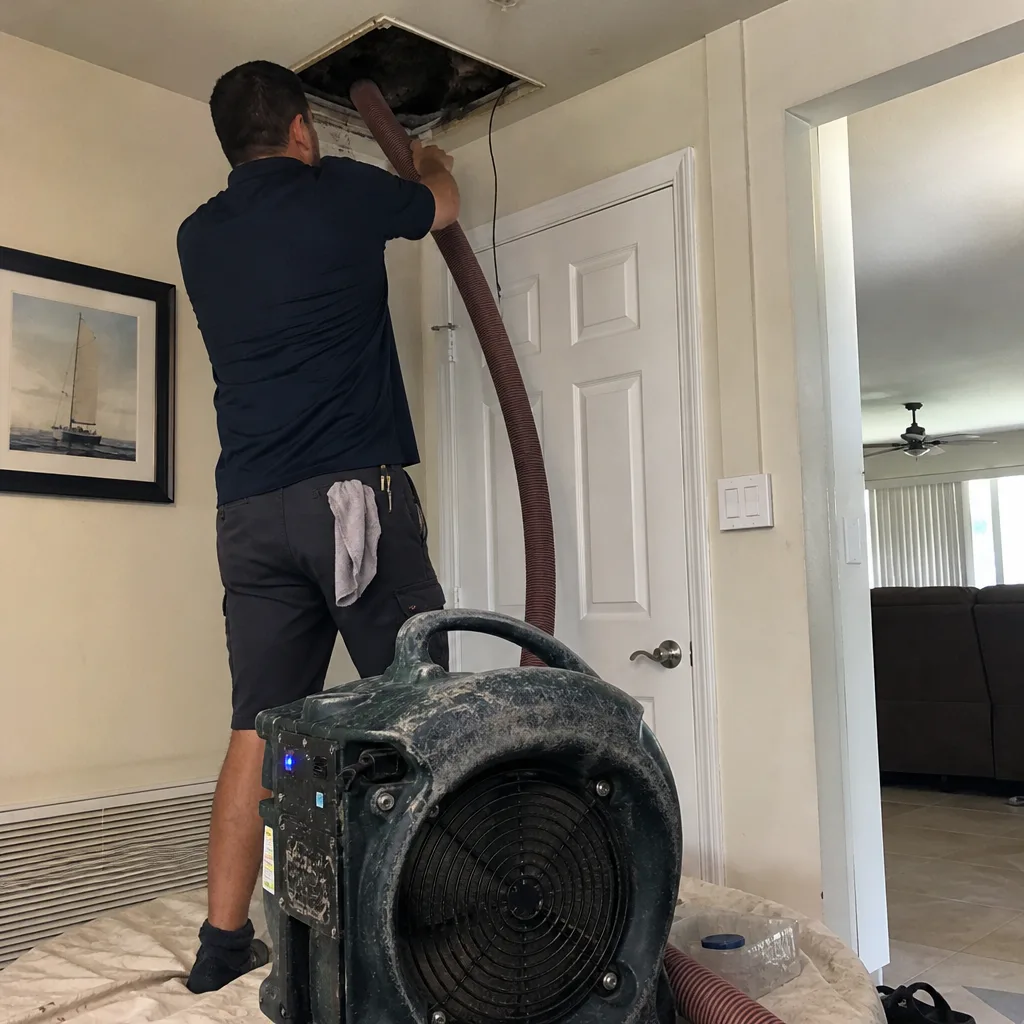 Before
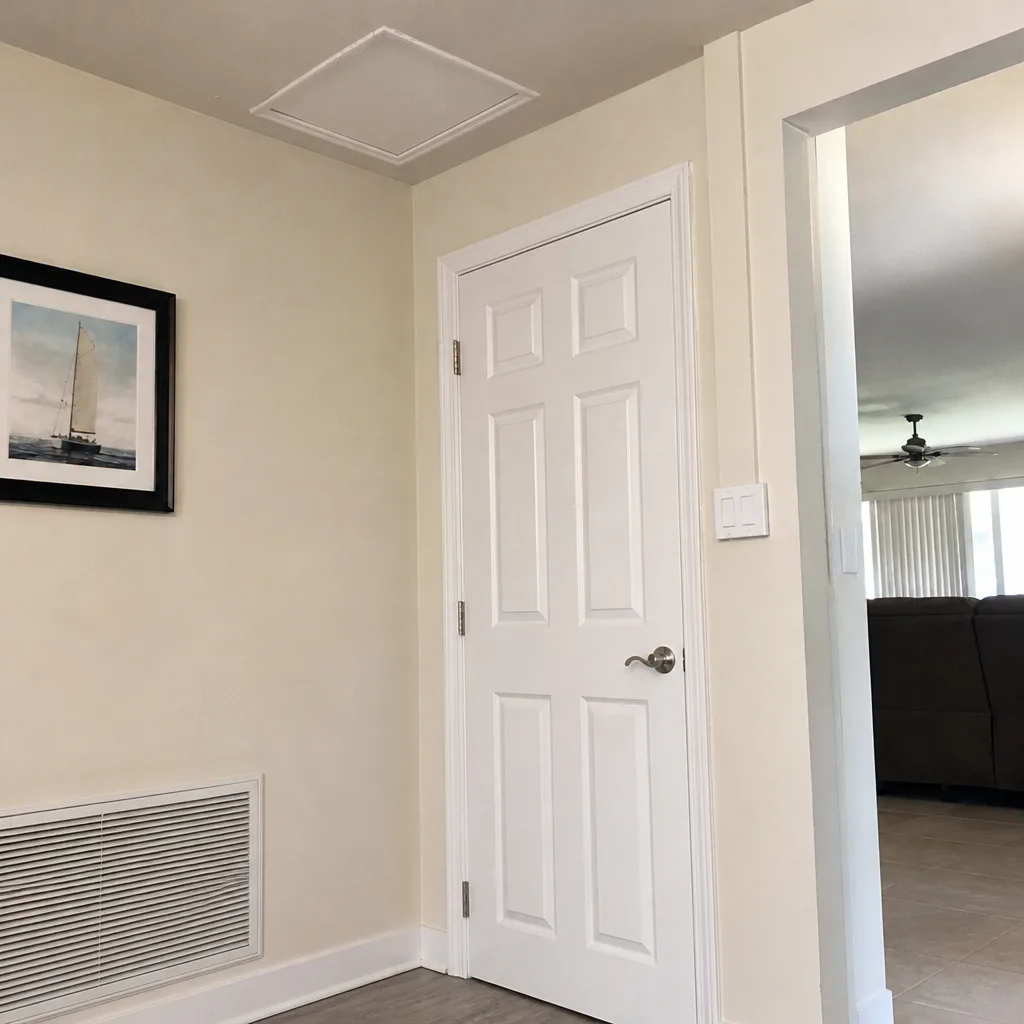 After
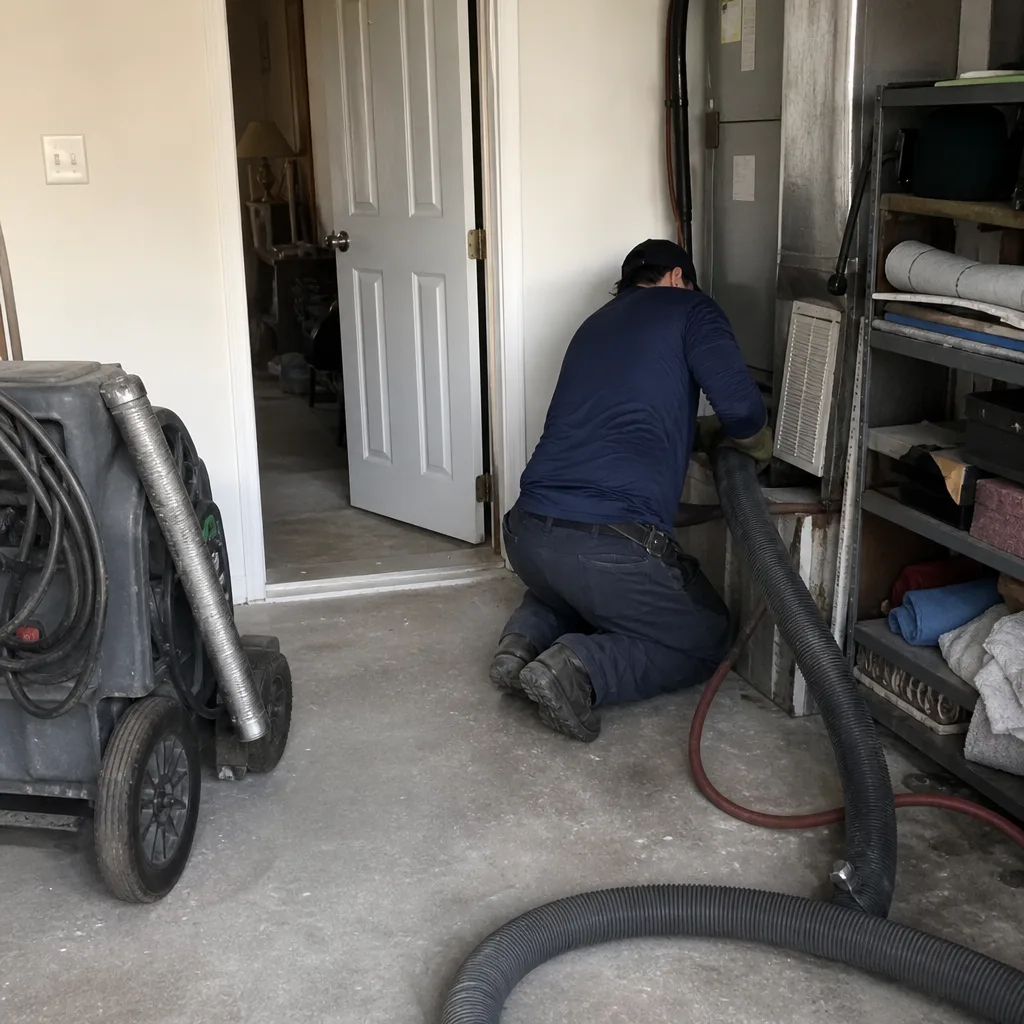 Before
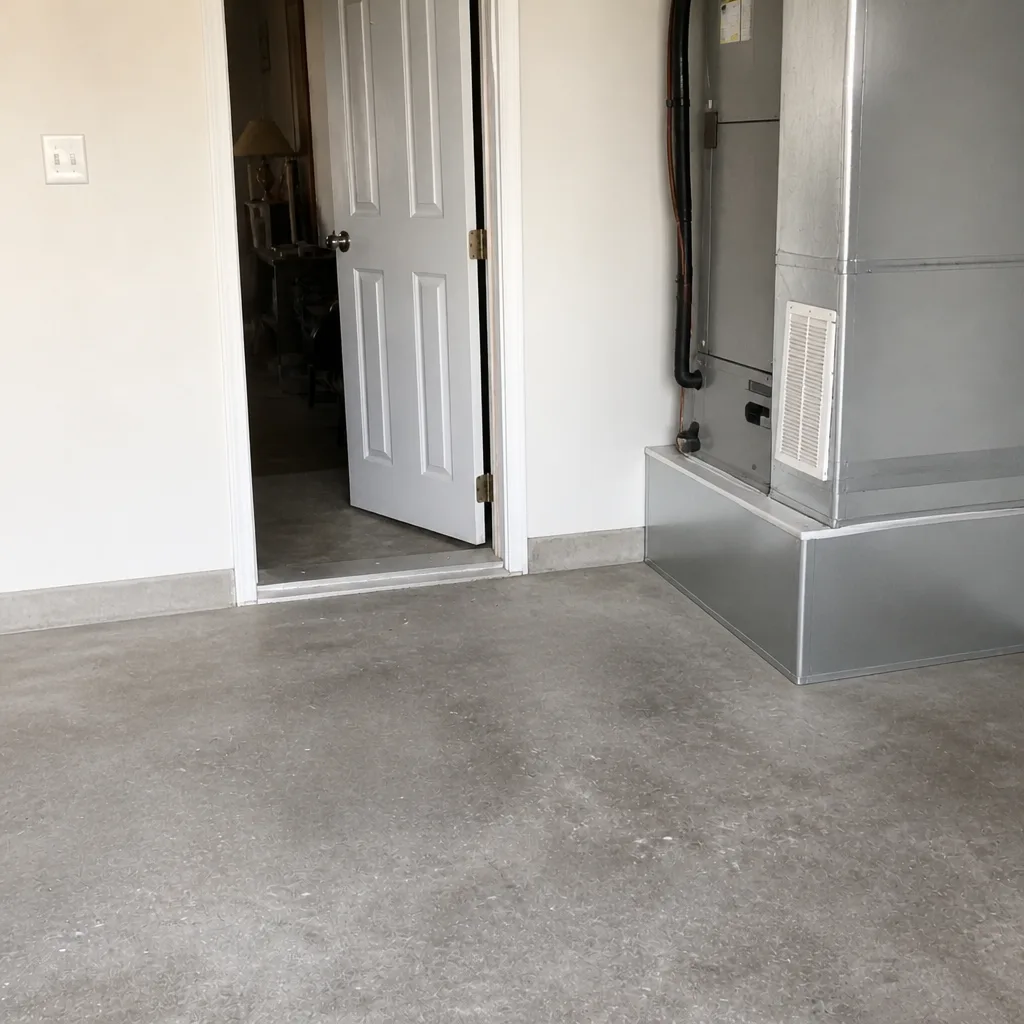 After
Frequently Asked Questions
Professional air duct cleaning in Cape Coral typically falls in a whole-system range rather than a per-vent price, and the written estimate you receive on site sets the final price for your home. We don’t quote per-vent, and we don’t use a low teaser figure to get a technician through the door with a plan to find “extra work” once they’re inside. Call (877) 384-7616 for a free estimate – you’ll get the number in writing before any work begins.
Cheap quotes usually reflect something missing from the job – either no negative-pressure extraction unit, no HEPA filtration, or a contract technician rushing through on a time budget that doesn’t allow proper cleaning. The lower number isn’t a bargain; it’s a different service. Ask any provider what equipment they run and whether they’ll show before-and-after photos of your actual system. If they can’t answer both questions, the price gap explains itself.
Ask for before-and-after photos of your own duct system, not stock photography. A provider using real equipment – negative-pressure units, HEPA filtration, a rotary brush running the full length of each run – can capture images inside the ducts and at the plenum before they start and after they’re done. Walk the system with the technician before they pack up if you want to see it in person. Call (877) 384-7616 to book an estimate and see how the process works.
Most Cape Coral homes don’t need annual cleaning if filters are changed on schedule and no renovation, water intrusion, or biological issue has occurred. Many benefit from a professional cleaning every 3 to 5 years, or immediately after any of the triggers discussed above. The house itself sets the interval – a home that runs the AC heavy in the summer and has pets will collect more than an underused seasonal property. Call (877) 384-7616 for a free walk-through if you’re unsure which category yours falls into.
No – a shop vac can’t safely remove mold from a duct system, even one rated for wet/dry use. Mold removal requires HEPA-level containment so dislodged spores are captured at the filter, not exhausted back into the room. Agitating mold without containment actively spreads it. If you suspect growth inside the ducts, stop poking at it and have the system inspected with containment-grade equipment. We use Abatement Technologies air filtration for exactly this scenario – call (877) 384-7616 to schedule a look.
Whole-home filtration and air quality components like Honeywell and Aprilaire systems work better when the ductwork they sit in is clean, and a loaded filter downstream of a dirty duct can mask what’s happening upstream. We service and stock both brands as part of our work – filtration and air handling are part of the system, not something separate from the ducts. If your system includes either brand, mention it when you call (877) 384-7616 and we’ll factor it into the estimate.
You can remove lint from the dryer-to-wall connection and the exterior termination with a dryer vent brush kit, but you can’t verify the full length of a concealed run without proper tools. Dryer vent lint is a fire safety issue, not a cleaning preference, and the risk is a concealed obstruction you can’t see. We treat dryer vent cleaning as its own dedicated service for exactly that reason. Call (877) 384-7616 if the vent hasn’t been serviced and you can’t confirm it’s clear.
The Bottom Line
DIY duct cleaning is worth doing in the areas you can safely reach: filters, register faces, return grilles, and visible boot interiors. It cannot perform source removal inside the 15 to 40 foot supply runs in most Cape Coral homes, because consumer tools can’t hold negative pressure across a system or capture dislodged particulate before it re-enters your air. The cases that require a professional – post-renovation, post-water intrusion, biological contamination, torn flex duct, and dryer vent lint – are the cases where DIY actively risks making things worse. Do the reachable maintenance yourself, keep the filter changed, and call for the work that belongs to proper equipment.
Written by the team at Duct Cleaning Cape Coral.