
Last updated November 15, 2026
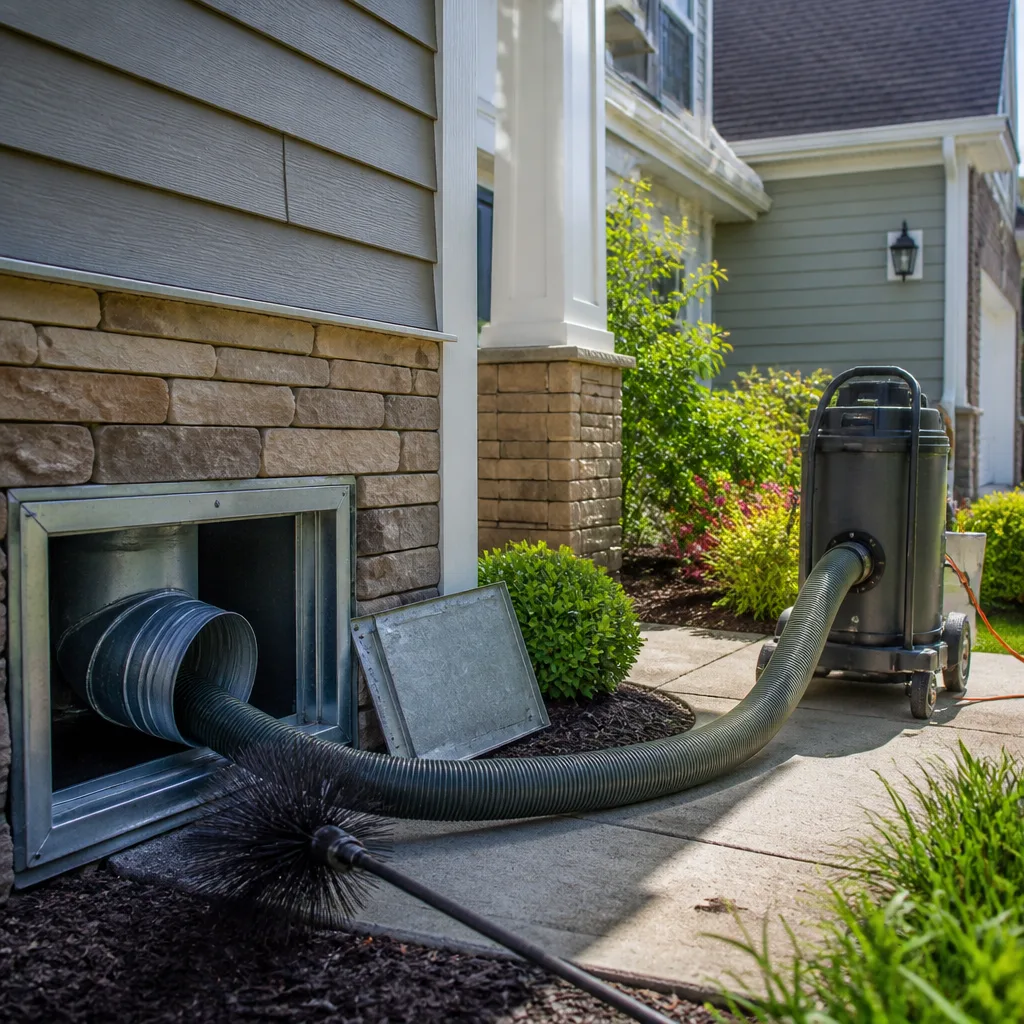 Whole-home duct cleaning
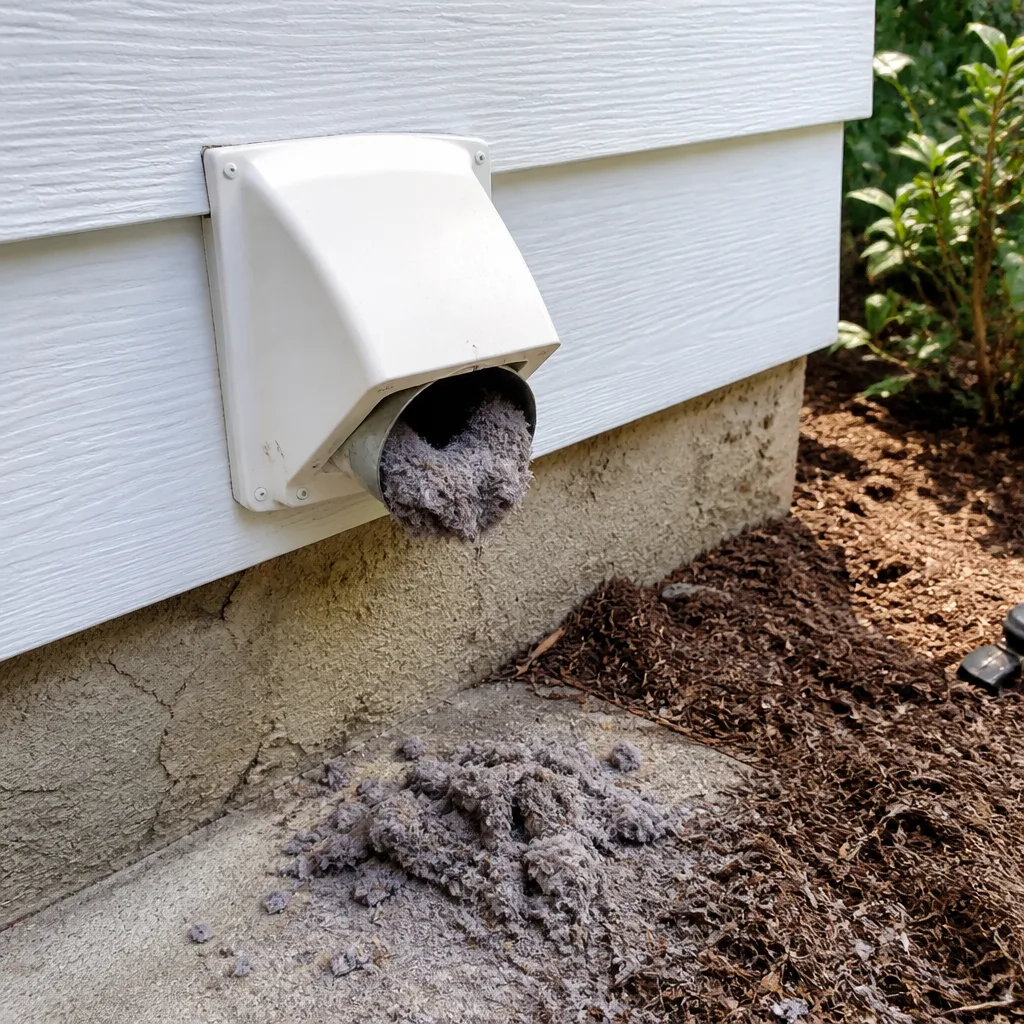 Dryer vent cleaning
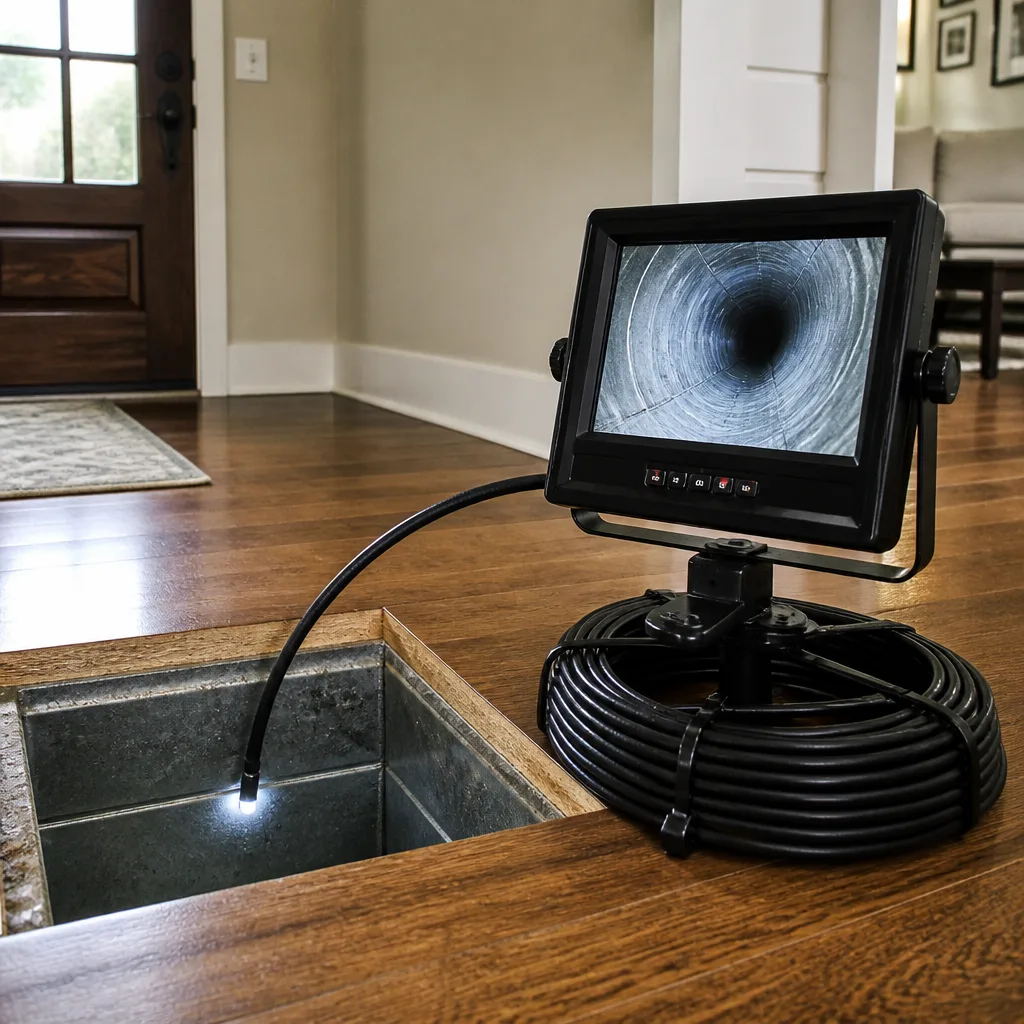 Camera inspection
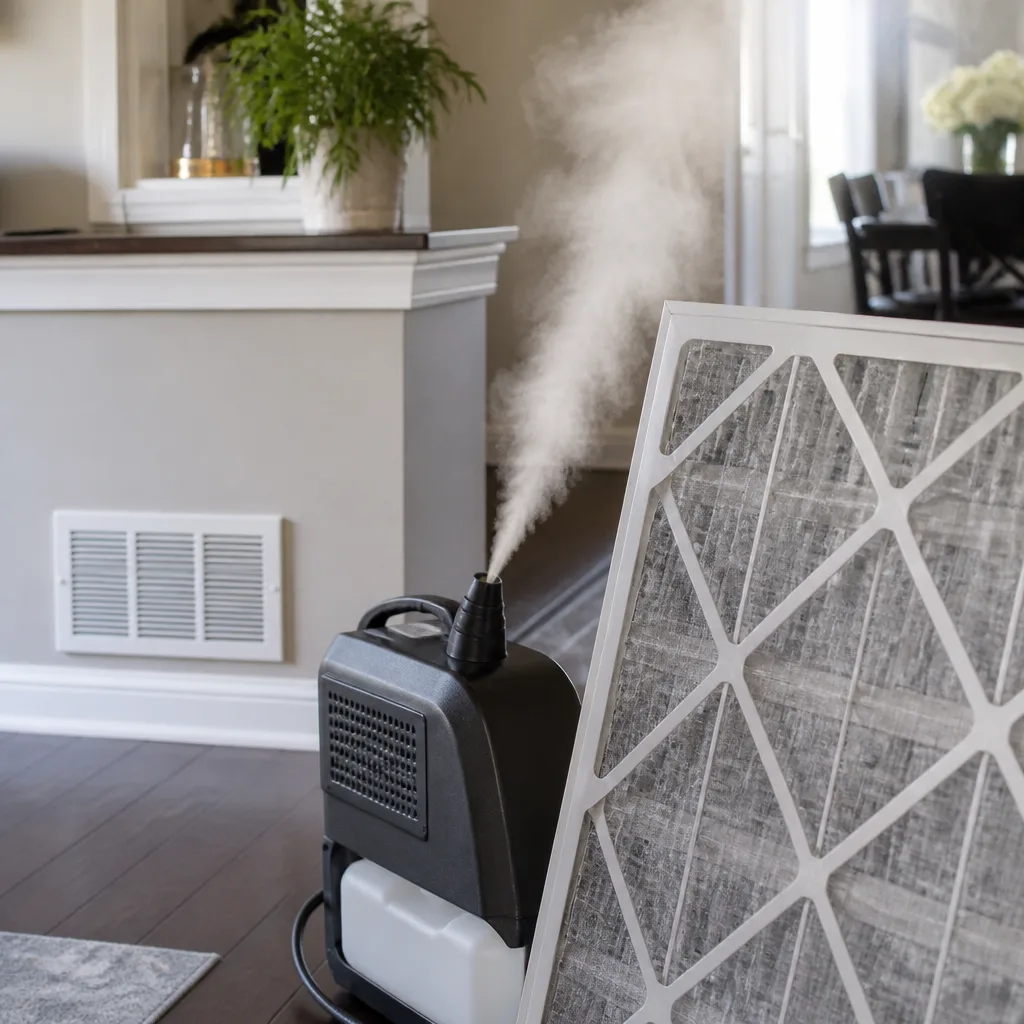 Sanitizing & deodorizing
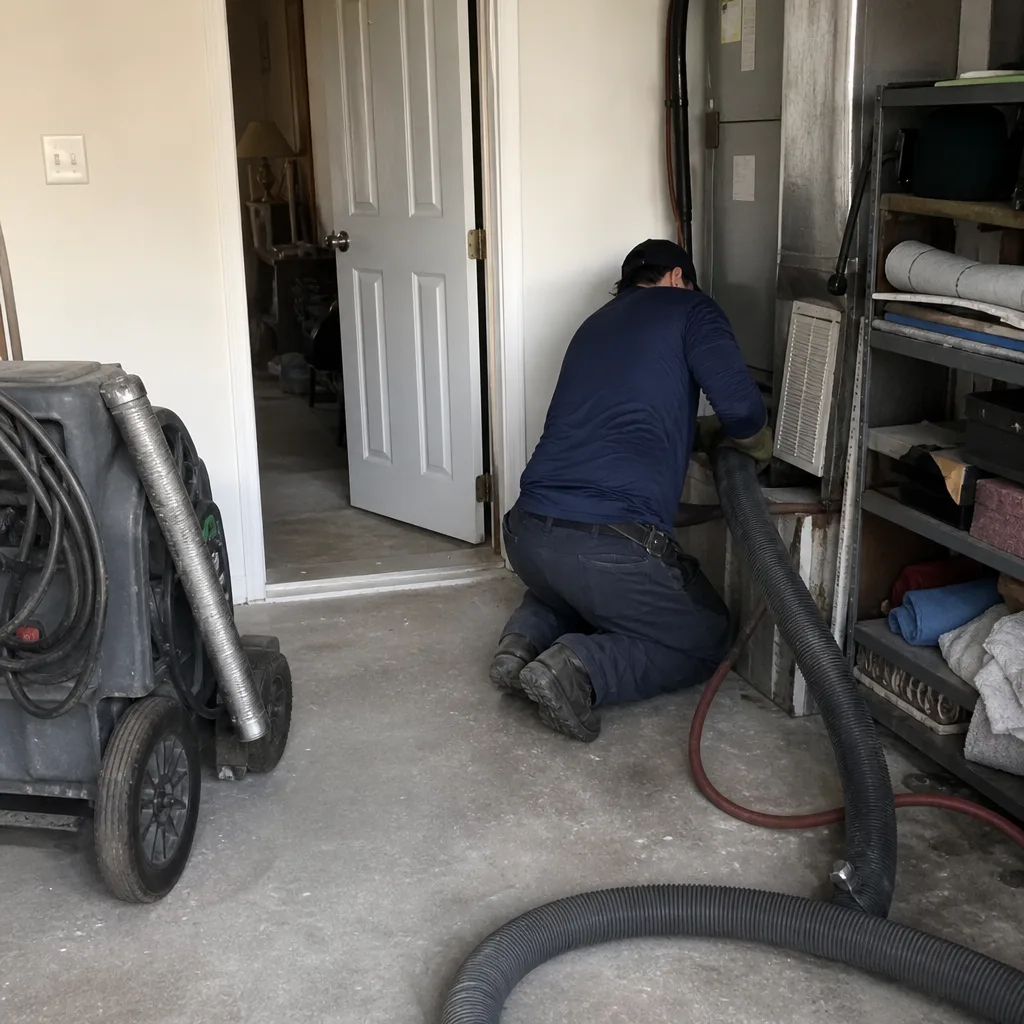
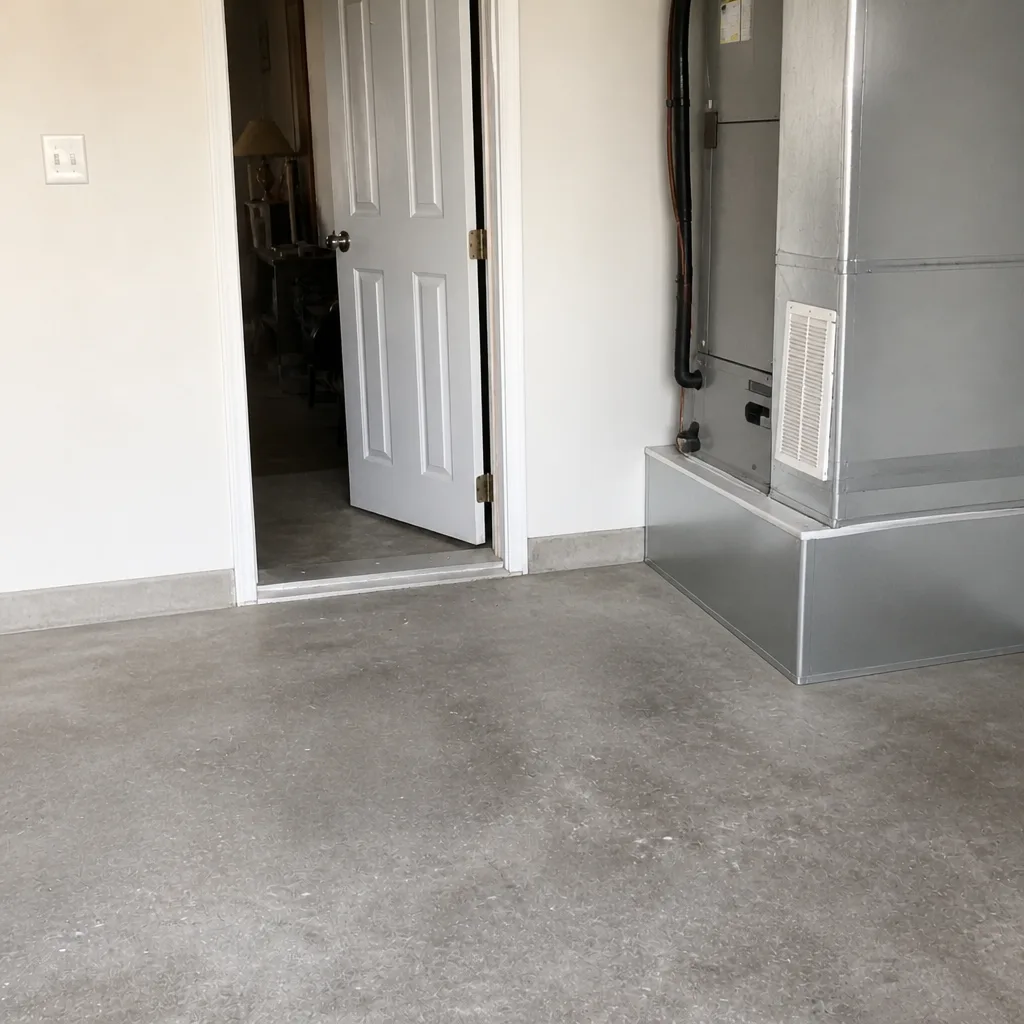
Whole-system duct and dryer vent check with before-and-after photos - you see exactly what came out of your vents
That "$99 whole-house special" is a bait ad - the real number appears once they are in your hallway, or the "clean" is a shop-vac at the register. We photograph the inside of your ducts before and after instead.
How to Hire an Air Duct Cleaning Contractor in Cape Coral: A Step-by-Step Guide
A truck-mounted negative pressure system should pull a minimum of 4,000 to 6,000 CFM to achieve true source removal. Most discount operators arrive with units pulling under 1,500 CFM and call it a cleaning. The gap between those two numbers is the whole story of this market, and it’s the reason so many Cape Coral homeowners pay twice: once for a bargain cleaning that didn’t remove much, and again a year later for someone to do it right. This guide gives you the exact technical questions, on-site signals, and quote structures that separate equipment-serious contractors from coupon-driven operators. You’ll learn what to ask before you book, what to watch for when the truck pulls up, and what documentation you should expect when the job is done.
Quick Answer
To hire a reputable air duct cleaning contractor in Cape Coral, verify the equipment first: ask for the negative pressure unit’s CFM rating (4,000 to 6,000 CFM for truck-mounted source removal), confirm camera inspection capability, and require before-and-after photo or video documentation of the collection. Then check the quote structure (priced by system size and access complexity, not a flat bait rate) and confirm the scope in writing. Credentials like NADCA membership help but verify less than most homeowners assume, so equipment and documentation matter more.
Styles & brands we work with
- Whole-home duct cleaning
- Dryer vent cleaning
- Camera inspection
- Sanitizing & deodorizing
Table of Contents
- What Equipment Should a Duct Cleaning Contractor Use?
- The CFM and Static Pressure Specs to Ask For Before Booking
- What NADCA Membership Verifies and What It Doesn’t
- How to Read a Duct Cleaning Quote in Cape Coral
- On-Site Arrival Signals: Professional or Substandard?
- Post-Cleaning Documentation: What You Should Receive
- The 8-Step Hiring Process
- Common Mistakes to Avoid
- When to Call a Professional
- Frequently Asked Questions
What Equipment Should a Duct Cleaning Contractor Use?
Legitimate duct cleaning in Cape Coral rests on three pieces of equipment, and a contractor serious about the work will name all three without hesitating. The first is a high-powered vacuum or negative pressure unit capable of pulling air through the entire duct system at once, which is what makes source removal possible rather than surface agitation. The second is a rotary brush or air whip that mechanically agitates the debris inside the ducts so the vacuum can capture it. The third is a containment or filtration device that keeps the loosened contaminants from spilling into your living space during the process.
In our experience, the equipment tells you more about the contractor than any credential on a business card. We run Rotobrush rotary brush systems for mechanical cleaning, Nikro negative-pressure and HEPA-extraction units, and Abatement Technologies air filtration devices for containment. That’s the same class of tooling used in commercial and restoration work, and it’s the standard to hold any Cape Coral contractor to. When you’re vetting bids, here’s what the gear should look like:
- Negative pressure unit: A machine large enough to pull the whole system into negative pressure during the job, ideally truck-mounted or a high-capacity portable unit. A shop vacuum is not a duct cleaning machine.
- Rotary brush or air whip: Purpose-built agitation tools that reach the full length of each run. Look for brand names like Rotobrush or a comparable rotary system.
- HEPA filtration and containment: Air scrubbers or negative-air machines (Nikro and Abatement Technologies are the names we use) that protect the air in your home while the work happens.
- Inspection camera: A camera that can see inside the ducts before and after is essential. If a contractor doesn’t own one, they can’t inspect; if they can’t inspect, they can only guess.
If a company can’t name the equipment they use, that’s your first signal. If they name it and it’s a shop vacuum, that’s your second. Cleaning ducts in Cape Coral’s tightly sealed homes with undersized gear just spreads debris instead of removing it.
The CFM and Static Pressure Specs to Ask For Before Booking
CFM, cubic feet per minute, is the volume of air a vacuum system can move. Static pressure is the resistance the machine can overcome to pull air through a long duct run, around bends, and back to the collection point. Both matter, and a contractor with legitimate equipment will answer your questions about them without flinching. A properly sized truck-mounted negative pressure system should pull a minimum of 4,000 to 6,000 CFM. Most discount operators arrive with portable units pulling under 1,500 CFM. That’s a four-fold difference in the ability to actually remove debris from the far end of a duct run.
Static pressure matters just as much. A high-CFM machine that can’t overcome duct resistance will pull air from the nearest register instead of the farthest one. Ask two direct questions before you book:
- “What CFM rating does your negative pressure unit carry?” A confident or specific answer is good. A vague “we’ve got commercial equipment” or an attempt to change the subject is not.
- “How do you handle static pressure on long or complex runs?” A real contractor will talk about sealing registers, isolating zones, and using brush agitation to break up debris that resists airflow. A discount operator will say something like “we just hook up and go.”
The reason this matters in Cape Coral specifically is home construction. Many homes here were built with longer duct runs and flex duct in tighter attic spaces, and the summer heat load in an attic can push duct temperatures high enough to stress the flex duct and the connections that hold it. Inefficient cleaning that relies on a small portable vacuum can leave the bulk of that attic-side debris where it is. If you want a deeper walkthrough of what a proper cleaning involves, our air duct cleaning page covers the full process from setup to documentation.
What NADCA Membership Verifies and What It Doesn’t
NADCA, the National Air Duct Cleaners Association, is the closest thing the industry has to a governing body. It publishes the ACR standard for how duct cleaning should be performed and offers membership to companies that meet certain criteria. Membership is a genuine signal that a contractor cares about industry standards. What it doesn’t do is guarantee the equipment they’ll show up with, the technicians who will perform the work, or the outcome you’ll get. NADCA membership is a floor, not a ceiling.
What the ACR standard does is describe the process a competent contractor should follow: source removal of debris, protection of the system’s components, containment of contaminants, and post-cleaning verification of cleanliness. If a contractor claims NADCA membership, ask them to walk you through their process and see if it matches those pillars. Here’s a quick comparison of what credentials actually verify:
- NADCA membership: Signals adherence to published industry standards and a commitment to the ACR process. Doesn’t verify individual job quality or equipment specs.
- NADCA certification of personnel: A stronger signal than membership alone. Certifies that specific technicians have passed knowledge-based testing on duct cleaning practices.
- State occupational licenses: Florida regulates some trades tightly and others loosely, and duct cleaning doesn’t require a dedicated state license. This is the loose part of the market. A Florida business tax receipt and general liability insurance are the minimum.
- Liability insurance: Ask for the certificate of insurance directly. If a contractor damages a duct connection or an air handler and isn’t insured, you’re the one footing the repair.
- IAQ or air quality certifications: Some IAQ credentials are legitimate; a few are pay-to-print badges. Ask what the certification required and who issued it.
In our experience hiring crews’ backgrounds and equipment is more predictive than a stack of acronyms. A NADCA member with a 1,200 CFM portable vacuum is still a limited cleaning. A contractor with 4,000 CFM truck-mount equipment, HEPA containment, and camera inspection capability who can walk you through the ACR process, member or not, is a serious operator.
How to Read a Duct Cleaning Quote in Cape Coral
A legitimate quote prices the work by system size and access complexity. A discount quote gives you a flat “whole house” number, usually very low, because the number is bait. Once the contractor is on site, the flat rate becomes a series of add-ons: extra for the returns, extra for a second system, extra for a longer run to the master suite. This is the industry’s bait-and-switch reputation in action, and Cape Coral is not immune to it. Ask for a written estimate that specifies what’s included and what’s priced separately, and ask how the price was determined.
Here’s how the two quote structures look side by side:
- System-based quote: Prices the job by the number of systems, the number of registers and returns, the number of air handlers, and the access difficulty of the attic or crawlspace. If it’s a single-system home, you get one number. If you have two systems, the price reflects that.
- Flat “whole house” rate: A single number that sounds low but rarely accounts for returns, second systems, or difficult access. Once the technician is on site, the price tends to grow.
- Per-vent promises: A per-vent rate sounds clean but hides the true scope. Vents don’t reflect the length of the runs behind them, the number of returns, or how many systems you’re running.
- Add-ons disclosed in writing: A serious operator will state clearly what could add to the price (sanitizing, air handler cleaning, duct repair) and how much extra each piece costs.
Ask for the estimate in writing before the day of the job. A price agreed before the work starts is the only one you should pay. The written estimate sets the final price, and per-system pricing keeps the two sides honest. For a closer look at how we handle quotes in Cape Coral, our Cape Coral page walks through what the process looks like for local homeowners.
On-Site Arrival Signals: Professional or Substandard?
The first ten minutes on site tell you most of what you need to know. A serious duct cleaning contractor arrives with a truck-mount vacuum or a high-capacity portable unit, a full set of rotary brushes and air whips, a camera, and a containment strategy. A substandard operation shows up with a small portable vacuum and a shop vacuum, a single brush, and no plan for protecting your home’s air during the job. The list below covers the signals worth watching at the curb and at the door.
- Truck-mount vs. portable: A truck-mounted or high-capacity negative pressure unit on the truck or trailer is a strong signal. A small portable unit that fits in the back seat isn’t going to pull enough CFM to clean a typical Cape Coral home.
- Camera inspection capability: Ask the technician to show you a view inside a duct before the cleaning. A real contractor carries a camera and uses it as a matter of course. A discount operator will say “we don’t need a camera for this.”
- Containment setup: Look for drop cloths at the registers, floor protection, and a HEPA scrubber or negative-air machine (Nikro and Abatement Technologies are the names we run). Containment keeps the debris out of your living room.
- Access to the air handler and returns: A professional will open the air handler and the return registers, not just the supply grilles. If the contractor only cleans supply vents and ignores the returns, they’re cleaning a fraction of the system.
- Uniforms, ID, and vehicle identification: Marked vehicles, clean uniforms, and an introduction at the door are the baseline of a professional operation.
- Written scope on site: A serious contractor will review the scope with you before work starts, not after.
If anything feels off at arrival, don’t hesitate to call the office before the technician starts. A written estimate should match what arrives in the driveway. And if the technician starts to treat the flat rate as a starting point, hold them to the estimate you signed.
Post-Cleaning Documentation: What You Should Receive
A professional duct cleaning job ends with evidence. Before-and-after video or photo documentation of the collection, the duct interior, and the components you can see (the air handler, the return registers, the supply grilles) is the standard. Verbal assurance alone is not, and if a contractor tells you “trust us, it’s clean,” that’s the moment to ask for the evidence. The same standard applies to the components inside your air handler; if you have Honeywell or Aprilaire filtration or air quality components, ask for photos of those components before and after the job.
Here’s what the documentation should include:
- Before photos or video: Shot inside each major duct run and at the air handler.
- After photos or video: Shot from the same angles, showing the cleaned surfaces.
- Collection evidence: A photo or video of the collection chamber or bag from the negative pressure unit, showing what came out.
- Air handler photos: Before-and-after of the evaporator coil cabinet, the blower, and any filtration components.
- Written summary: A short written record of what was cleaned, what was found, and any issues the technician ran into.
- Recommendations: If the camera found disconnected flex duct, crushed runs, or gaps at the plenum, that should be flagged in writing for repair, not left for the next contractor to discover.
Duct repair is one of the reasons documentation matters so much. A cleaning that exposes a disconnected duct run without repairing it leaves the problem in place, and the cleaning will be undone within months. We repair ducts, not just clean them, because the documentation is only useful if the issues it reveals get fixed. For a closer look at the dryer vent side of the job, our dryer vent cleaning page covers why that service deserves its own dedicated visit, not an afterthought.
The 8-Step Hiring Process
Here’s the sequence we recommend to Cape Coral homeowners and property managers vetting a contractor. Each step is short and specific, and together they’ll separate the serious operators from the coupon crowd within a single phone call.
- Confirm scope and services in writing. Ask the contractor to put in writing what’s included: which systems, which air handlers, how many returns, and what’s priced separately. A contractor who won’t put it in writing isn’t serious.
- Ask for the equipment list. The contractor should name the vacuum unit, the brush system, the containment device, and the inspection camera. If they can’t, or if the answer is “a shop vac and a brush,” walk away.
- Ask for the CFM rating. A truck-mounted negative pressure system should pull a minimum of 4,000 to 6,000 CFM. If the contractor is vague, ask a second time. If they still won’t answer, that’s the answer.
- Verify insurance and Florida business registration. Ask for the certificate of insurance and the business tax receipt. Duct cleaning in Florida is not tightly licensed, so insurance is your real protection.
- Check credentials, then check the process. NADCA membership and certification are positive signals, but ask the contractor to walk through the ACR process: source removal, containment, component protection, verification. A real contractor will describe each step without hesitation.
- Get the estimate in writing, priced by system. Not a flat whole-house rate. A written, per-system estimate with the add-ons clearly listed.
- Watch the arrival. At the door, look for the truck-mount unit, the containment setup, the camera, and the air handler access. If the gear doesn’t match the quote, call the office before the work starts.
- Review the documentation. Before-and-after photos or video, collection evidence, air handler photos, and a written summary. If the documentation flags a duct repair, get it addressed before the cleaning’s benefit fades.
Following those eight steps will get you through a proper hiring process in about the time it takes to make two phone calls and read two written quotes. For a broader overview of the local market, our Duct Cleaning Cape Coral page covers the services we offer and the standards we hold the work to.
Common Mistakes to Avoid
- Booking on the coupon price alone. A low coupon is bait for a discount rig pulling under 1,500 CFM. The cleaning will be superficial and you’ll pay twice in the long run.
- Accepting a flat “whole house” quote without scope. Flat pricing hides returns, second systems, and access difficulty. Ask for a per-system written estimate.
- Assuming NADCA membership guarantees the equipment. It signals commitment to standards, not the CFM of the truck in your driveway. Verify the equipment separately.
- Skipping the camera inspection. A contractor without a camera can’t see what’s inside your ducts and can’t document the work. Ask for a view before the job starts.
- Accepting verbal assurance for a completed job. Before-and-after photo or video documentation should be standard. If it isn’t offered, ask for it.
- Cleaning ducts without repairing disconnected runs. A cleaning that exposes crushed flex duct or a gap at the plenum without fixing it is wasted money. Ask about repair as part of the scope.
- Ignoring the air handler and the returns. Cleaning only the supply grilles leaves the source of the debris untouched. Ask for the air handler and returns in the written scope.
- Skipping the dryer vent as a separate service. A dryer vent is a fire-safety issue and deserves its own dedicated visit, not a quick sweep at the end of the duct job. Ask about it separately.
When to Call a Professional
Some signs are obvious and some are subtle. Call a professional if you can see visible dust discharge from a supply register after the HVAC has been running for a while, if there’s a musty smell when the system kicks on, if anyone in the home has developed allergy or asthma symptoms that seem worse indoors, or if you’ve recently had renovation work done and the ducts are open to the dust. These all point to debris in the system that a DIY approach can’t address. A professional cleaning with negative pressure equipment and camera documentation is the right response. Duct Cleaning Cape Coral offers free estimates in Cape Coral. Call (877) 384-7616 to book a walkthrough. We answer 24/7, with fast dispatch from 7am to 7pm, Sunday through Friday.
Frequently Asked Questions
Most residential air duct cleaning in Cape Coral runs in a wide range depending on the number of systems, the number of registers and returns, and access difficulty. A single-system home with straightforward attic access sits on the lower end of that range. A home with two systems, multiple returns, or tight attic access sits on the upper end. A written, per-system estimate is the only honest way to price a specific home. Call (877) 384-7616 for an exact quote. Estimates are free.
Cheap quotes usually reflect smaller equipment, less time on site, and a more limited scope. The gap between a 1,500 CFM portable unit and a 4,000 to 6,000 CFM truck-mount system is real, and the discount operator is pricing the smaller rig. They’re also typically skipping the return registers, the air handler, and the camera documentation. The right price is the honest one for the work actually done. Call (877) 384-7616 to compare our written quote to anything else you’ve been offered.
Ask for before-and-after photos or video from inside each major duct run, the air handler, and the collection chamber. A professional contractor should treat this as standard practice, not an extra. If the answer is “trust us,” that’s not documentation. Call (877) 384-7616 if you’ve had a cleaning and want to know what to look for.
Most homes benefit from a professional cleaning every few years, though the right interval depends on the home: pets, smoking indoors, recent renovation, and visible dust at the registers all shorten it. In Cape Coral, the combination of long cooling seasons and tightly sealed homes means ducts run hard and the debris load builds up faster than in milder climates. If you’re unsure whether it’s time, a camera inspection will tell you. Call (877) 384-7616 to book a walkthrough.
If the camera finds disconnected flex duct, crushed runs, gaps at the plenum, or a sagging duct in the attic, you need repair as well as cleaning. Calling it duct repair and treating it as a separate scope is the honest way to price it. A cleaning on top of a disconnected duct is a temporary fix that will come undone. Call (877) 384-7616 to schedule an inspection.
Yes. The dryer vent is a fire-safety issue and deserves its own dedicated visit. A dryer vent packed with lint is a hazard, and the vent shares nothing with the ductwork beyond being a source of airflow. Professional cleaning with the right equipment, documentation, and coverage for the full run to the exterior is the right standard. Call (877) 384-7616 to book dryer vent cleaning separately.
Ask for the certificate of insurance and the Florida business tax receipt first. NADCA membership and personnel certification are positive signals but verify standards, not the equipment of the truck in your driveway. Ask for the equipment list and the CFM rating, and confirm the scope in writing. Call (877) 384-7616 with any question about what we carry. We answer 24/7.
A properly insured contractor carries general liability insurance to cover any damage to your ductwork or equipment. Flex duct and duct connections are more fragile than they look, especially in tight attic spaces, and a trained technician knows to watch the hose path and the connection points. Ask for the certificate of insurance before the job starts. If a contractor can’t produce it, that’s a stop sign. Call (877) 384-7616 if you have questions about how we handle the work.
The Bottom Line
Hiring a duct cleaning contractor in Cape Coral comes down to a handful of verifiable signals: the CFM rating of the negative pressure equipment, the contractor’s ability to name and use camera inspection and containment, the structure of the written quote (per system, not flat rate), and the before-and-after documentation you receive at the end. Credentials like NADCA membership help but don’t replace those checks. The market has plenty of coupon operators with 1,500 CFM rigs and no documentation. The right contractor will answer every question on this list without hesitation. Take the two phone calls. Read the two quotes. Verify the equipment on arrival. That’s the whole job.
Ready to compare quotes? Call Duct Cleaning Cape Coral at (877) 384-7616 for a free estimate. We answer 24/7, with fast dispatch from 7am to 7pm, Sunday through Friday.
Written by the team at Duct Cleaning Cape Coral.
See the difference
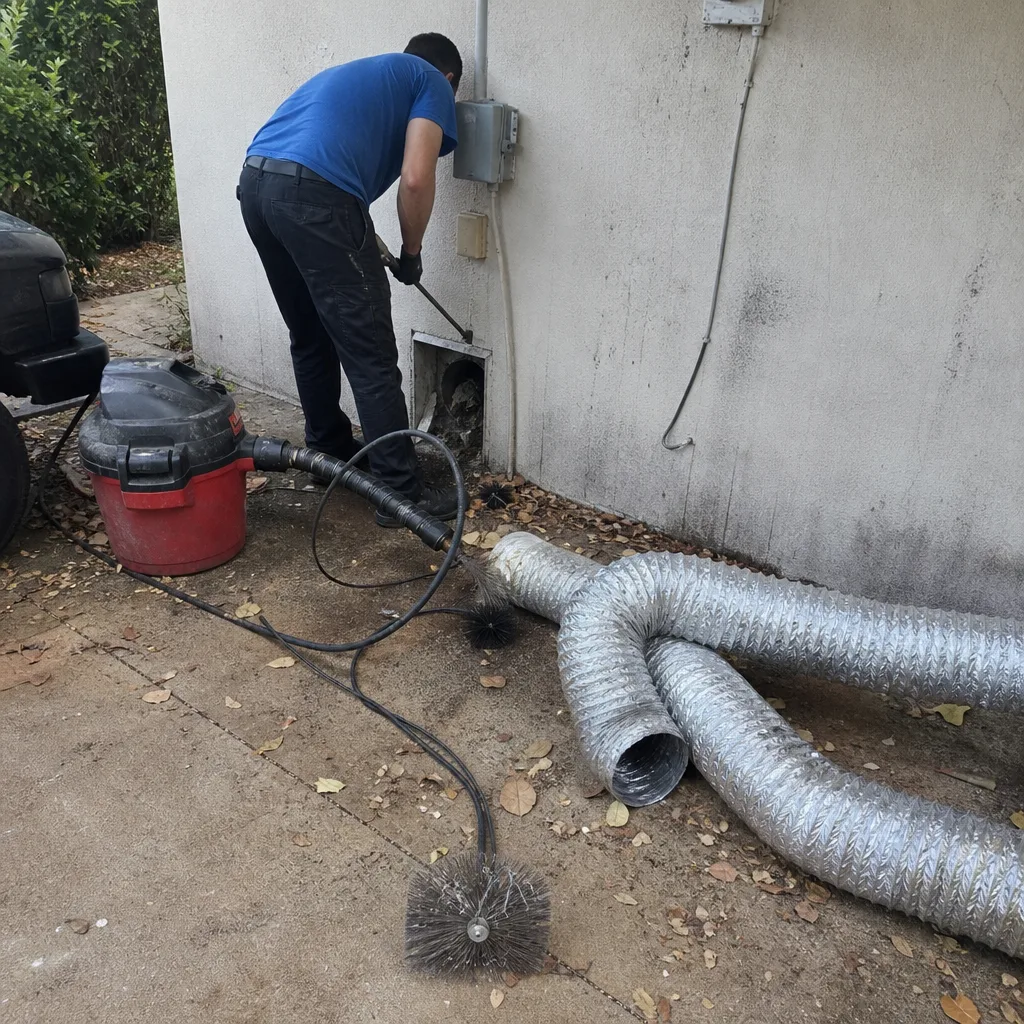 Before
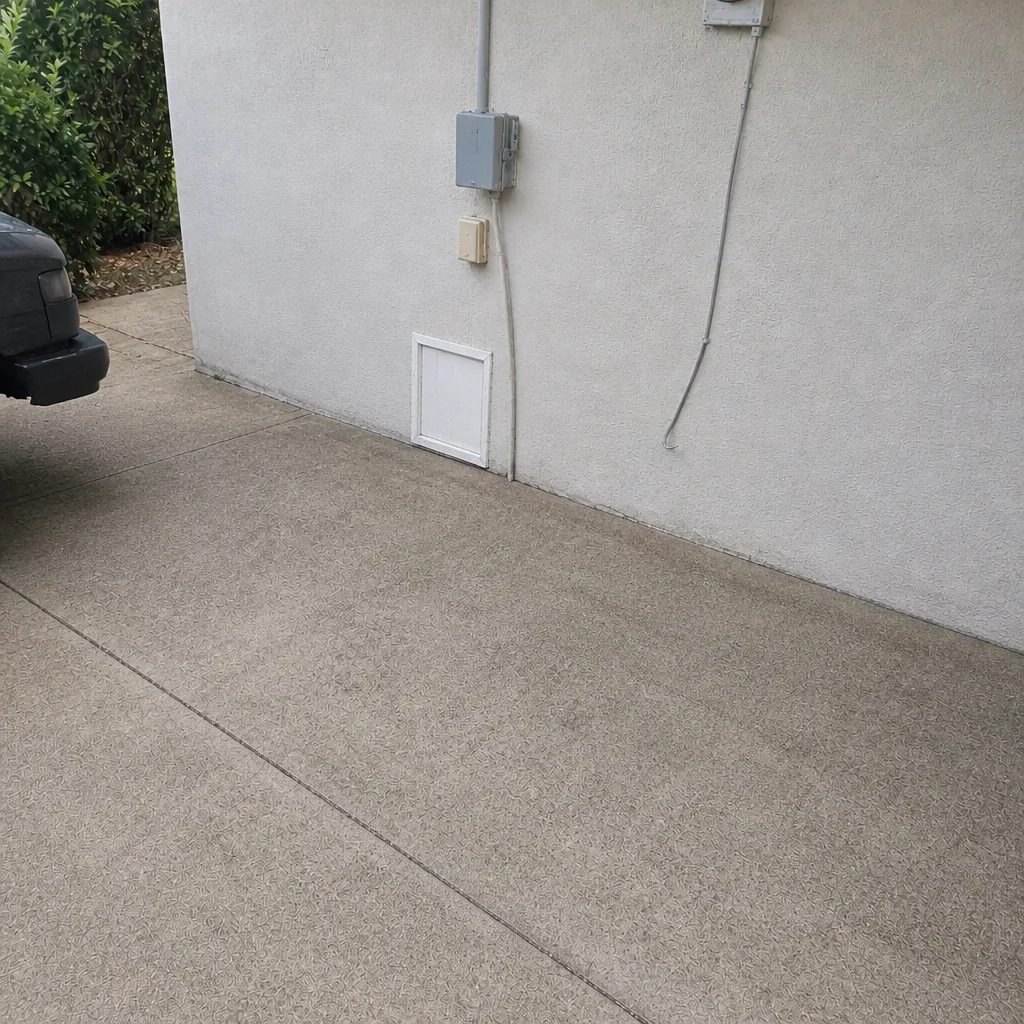 After
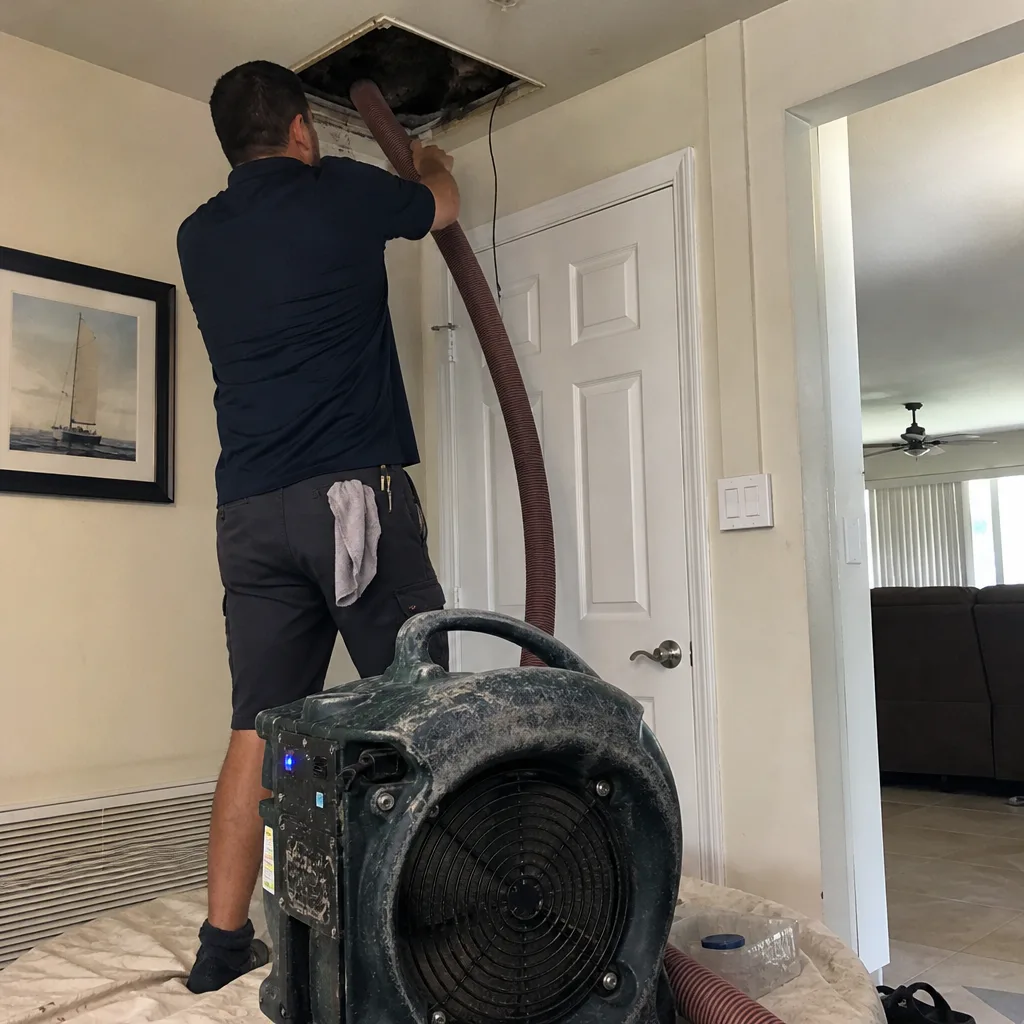 Before
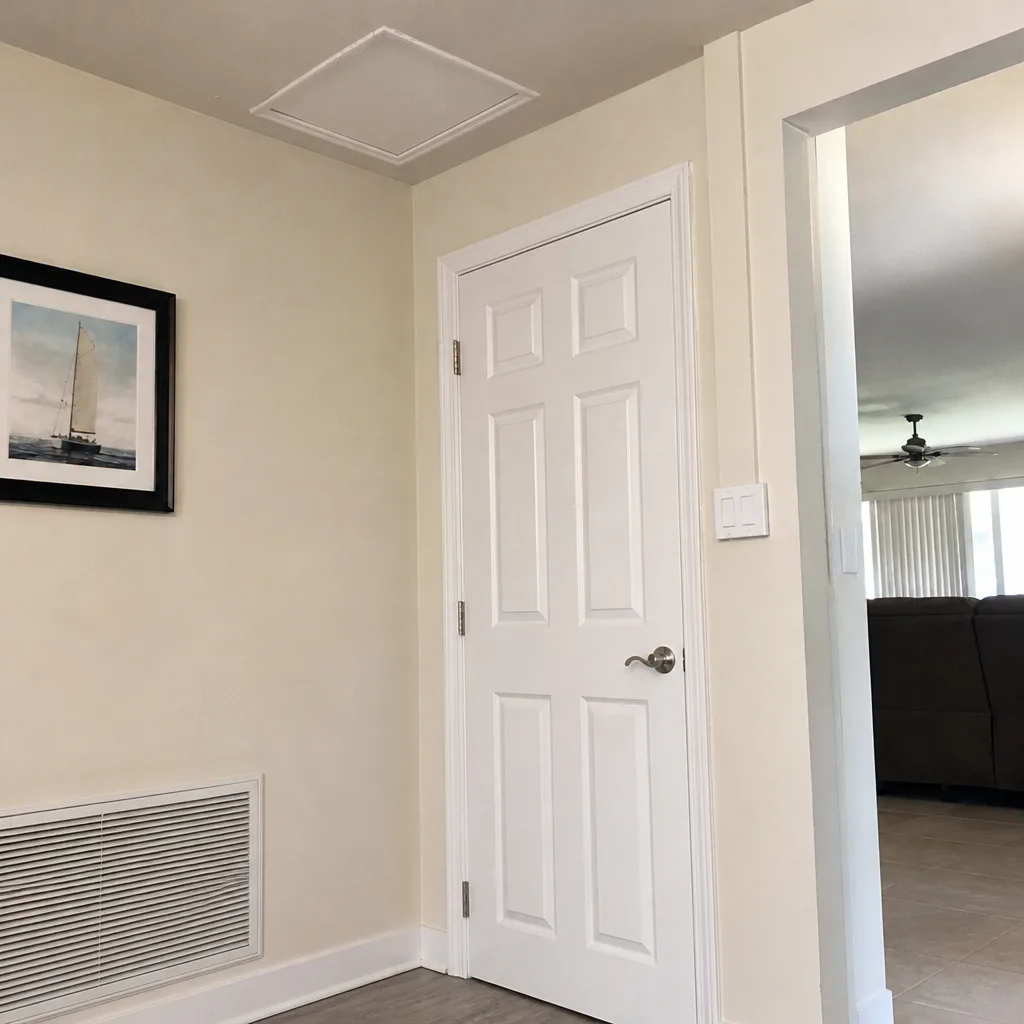 After
 Before
 After