
Last updated November 15, 2026
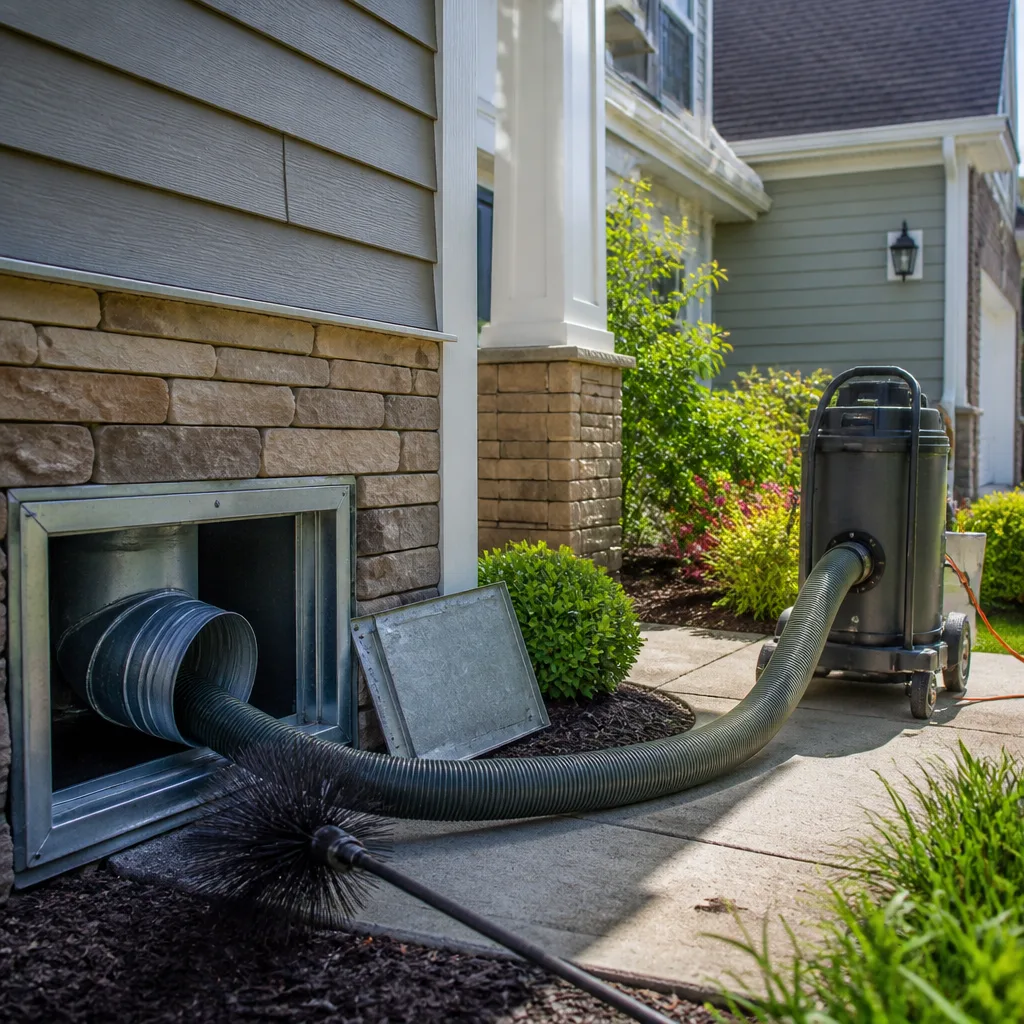 Whole-home duct cleaning
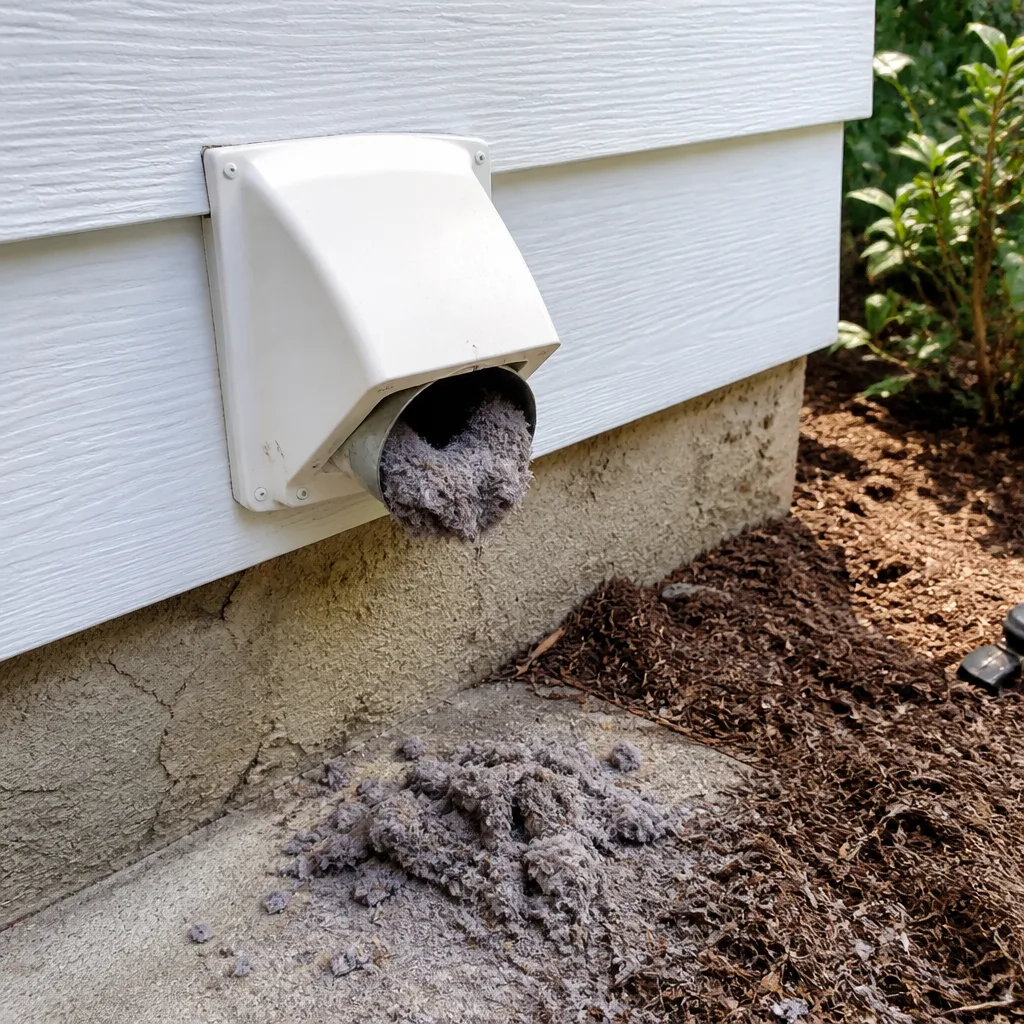 Dryer vent cleaning
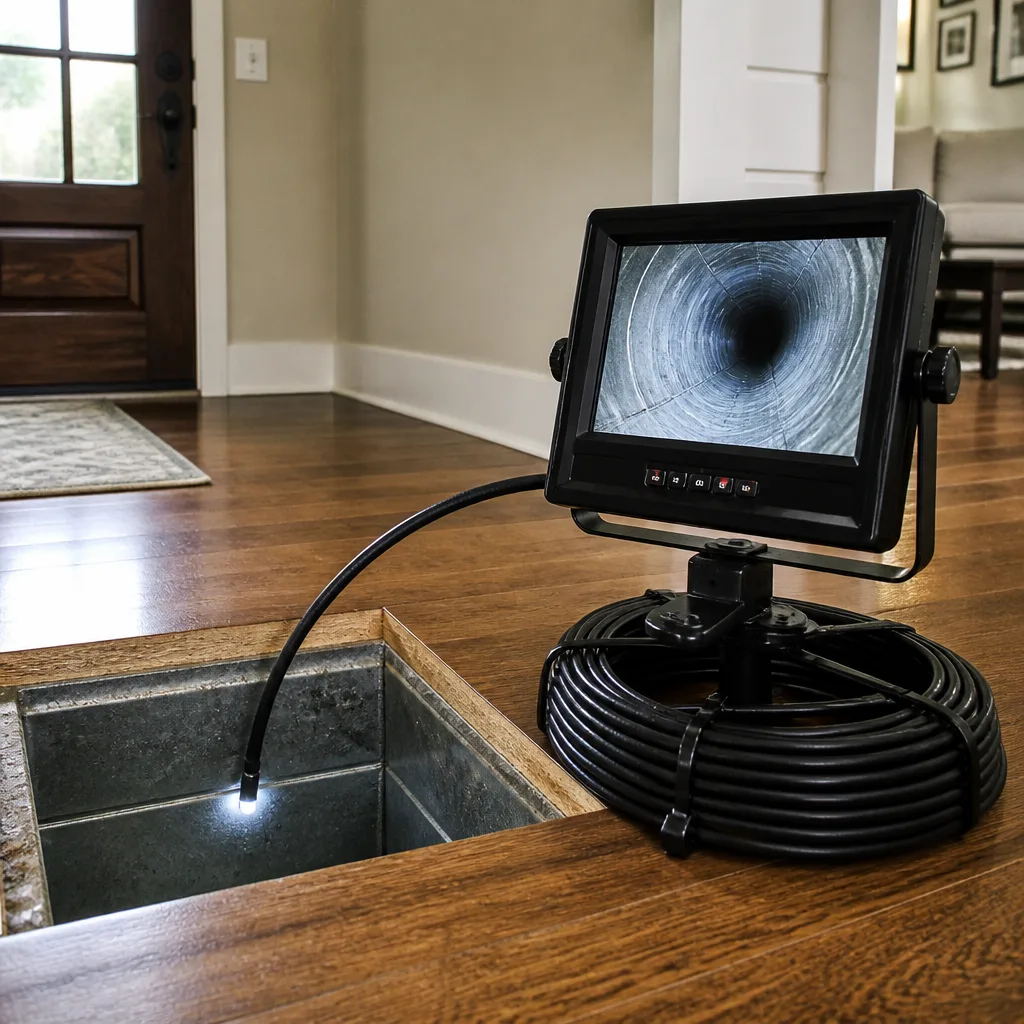 Camera inspection
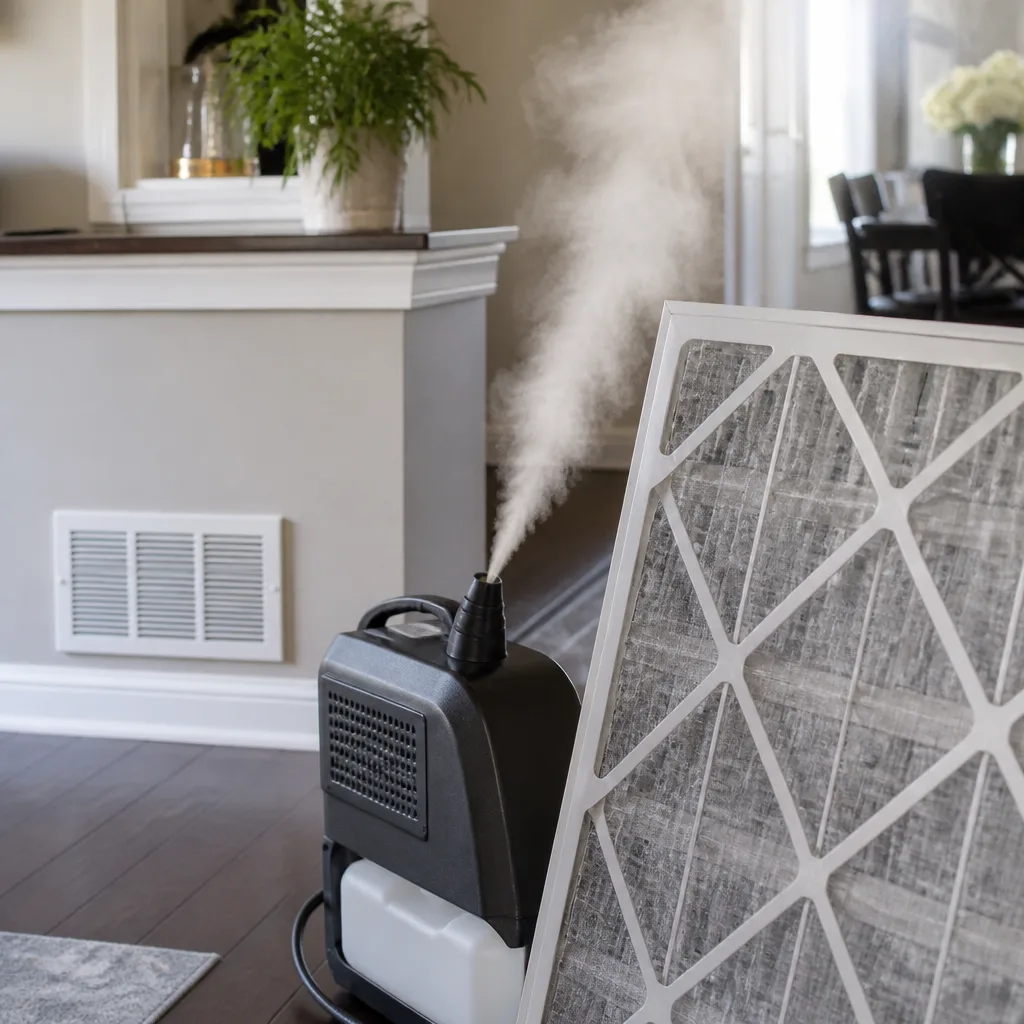 Sanitizing & deodorizing
Whole-system duct and dryer vent check with before-and-after photos - you see exactly what came out of your vents
That "$99 whole-house special" is a bait ad - the real number appears once they are in your hallway, or the "clean" is a shop-vac at the register. We photograph the inside of your ducts before and after instead.
The Complete Guide to Air Duct Cleaning in Cape Coral
Most homeowners assume duct contamination is about visible dust. In Cape Coral, it rarely is. The bigger problem is humidity. When the air outside stays muggy for most of the year, the air your system pulls in carries moisture, and that moisture turns ordinary dust into something stickier inside your ductwork. The result is a buildup that clings to duct walls instead of blowing through, and a standard vacuum pass often can’t break it loose. This guide explains what actually happens inside Cape Coral ductwork, how local home construction and canal-side lots change the picture, and what a legitimate cleaning should look like when it’s done right.
Quick Answer
Air duct cleaning in Cape Coral is a mechanical, source-removal process: a rotary brush loosens the contamination bonded to duct walls while negative-pressure equipment captures it and keeps it from drifting into your living space. In this climate, humidity and long cooling seasons mean ducts collect a denser, tackier layer of dust than in dry regions, so a real cleaning usually takes longer and demands more containment than coupon services allow. If your system hasn’t been cleaned in several years and your home has visible dust or a musty smell, a professional inspection is the place to start.
Styles & brands we work with
- Whole-home duct cleaning
- Dryer vent cleaning
- Camera inspection
- Sanitizing & deodorizing
Table of Contents
- How Cape Coral’s Humidity Changes What Builds Up Inside Ducts
- Slab-on-Grade Construction and Under-System Moisture
- Source Removal vs. Agitation-Only: Why the Method Matters
- Canal Proximity and Build Era: How Location Shapes Contamination
- What a Legitimate Cleaning Looks Like: Sight, Sound, and Paperwork
- Why We Repair Ducts, Not Just Clean Them
- How Often Should Cape Coral Ducts Be Cleaned?
- What Does Air Duct Cleaning Cost in Cape Coral?
How Cape Coral’s Humidity Changes What Builds Up Inside Ducts
Duct contamination in Cape Coral behaves differently than in Phoenix or Denver. It’s not just that there’s more of it. It’s the texture.
When relative humidity stays high, the dust particles that collect inside return ducts lose their dry, powdery character. Fine particles clump together. Organic material in the dust, including skin cells and pollen, absorbs moisture and begins to form a film that clings to galvanized metal, flex duct liner, and the seams where sections join. Once that film forms, dust binds to it, and the layer thickens over time. That’s the core difference between Cape Coral ductwork and ductwork in a drier climate: dry dust is easy to move, and a stuck film is not.
What that means in practice:
- A quick brush pass or a light vacuum may skim the surface of the film without removing it. You feel like the ducts got cleaned, but the layer that harbors odor and feeds microbial growth stays put.
- The cooling system stays in near-constant use across most of the year, so any contamination in the return side gets pulled through the air handler repeatedly.
- Filter changes matter more here than the packaging suggests. A filter that clogs early is often doing its job, but it’s also a signal that a lot of particulate is present in the return air.
One thing we look for on every Cape Coral job: whether the contamination is evenly distributed or concentrated in the return-side trunk. Returns pull room air year-round, and in homes that keep windows closed through the warm months, the return is usually the dirtiest section. That pattern tells us where cleaning effort needs to go.
Understanding air duct cleaning as a mechanical removal process, not a chemical treatment or a spray, is the first step. The humidity doesn’t just add dirt. It changes how bonded that dirt is, and how much agitation is genuinely needed to break it free.
Slab-on-Grade Construction and Under-System Moisture
Most Cape Coral homes sit on a slab, and many have ducts running below the finished floor or in shallow chases within the slab structure. That construction style delivers excellent floor-area efficiency. It also creates a specific moisture issue.
The problem isn’t the slab itself. It’s what happens when ductwork runs close to it, or through it, and the system’s condensation management isn’t up to the job. In a home where the air handler is in the garage or a closet and the ducts pass beneath the slab, a small amount of condensation on the exterior of the duct can soak into the surrounding soil or backfill. Over time, that damp pocket becomes a source of cool, damp air that leaks in through any seam failure.
What to understand about this risk:
- Flex duct buried or sleeved under the slab has a finite service life. The wire helix inside can deform, and the liner can sag or tear.
- Older slip-joint metal duct runs below grade are prone to losing their seal at the joints when the soil around them stays damp.
- If you notice a musty smell that appears only when the system first starts, that can be a sign the return trunk or an under-slab branch is pulling from a moist space.
None of this means every Cape Coral home has a problem. But it does mean that a duct cleaning visit that ignores the structural context will miss the point. We look at the duct layout before we clean. If we find a branch that’s leaking or showing signs of separation, cleaning it without fixing it would be a waste of your money. That’s part of why our service lines include duct repair alongside cleaning, and why we treat the two as connected rather than separate.
Comparison is also useful. When we look at a home in a neighborhood built before 2000, the duct system tends to be metal with slip joints and often has a few sagging connections. Post-2000 builds in Cape Coral more often use flex duct, which is tighter at the joints but has its own concerns around crushing and liner damage. Different eras, different problems, and different cleaning strategies.
Source Removal vs. Agitation-Only: Why the Method Matters
The single most important distinction in duct cleaning is between source removal and what we’d call agitation-only service. The difference is easy to miss when you’re comparing prices, because both visits look similar from the outside.
Source removal means the contamination is physically detached from the duct surface and extracted. A rotary brush disturbs the bonded layer, and a negative-pressure air machine pulls the loosened material into a HEPA-filtered collection system. The goal is a duct interior clean enough to pass a wipe test.
Agitation-only means air movement is introduced, or a brush is run briefly, without enough mechanical disturbance or negative pressure to actually remove the contamination. Loose surface dust is displaced; the bonded film remains. Sometimes the only visible change is that some dust that was in the ducts is now on your furniture.
Here’s what real source removal looks like step by step:
- Inspect and map the system. Identify every supply, every return, and any branch that looks damaged or disconnected. A registered run with a disconnected boot is not cleanable until it’s fixed.
- Set containment. Use negative-air and HEPA filtration equipment to keep disturbed contamination inside the work zone. This is the same class of tooling used in professional remediation, and it’s a fair signal of how seriously the contractor takes containment.
- Open access points. Cut access ports at key locations so the rotary brush can reach the full run. Ports are sealed after the work is done.
- Brush every run. Run the rotary brush through each supply and return branch, working from the farthest point back toward the collection point.
- Extract under negative pressure. With the HEPA vacuum running, pull the loosened material into the collection chamber. Look for the exhaust to stay clear and the collection to build up.
- Clean the air handler compartment. Clean the blower wheel, plenum, evaporator coil (from the accessible side), and cabinet interior. Contamination on the blower is often worse than what’s in the ducts.
- Confirm and record. Take before-and-after photos of the duct interiors and the air handler cabinet. Write up the findings, including any issues found and repaired.
The equipment matters. Purpose-built rotary and negative-pressure systems exist for a reason. The specific brands we use include Rotobrush and Nikro, both of which are standard in professional duct cleaning and restoration work. They aren’t the toys sold to coupon crews, and they aren’t the same as a shop vacuum with a long hose. If the quote you received describes “brushing” or “blowing out” without also describing negative pressure and HEPA filtration, ask specifically how loose contamination is captured.
The Duct Cleaning Cape Coral approach puts source removal at the center of every job, because in this climate, surface agitation alone is close to meaningless.
Canal Proximity and Build Era: How Location Shapes Contamination
Cape Coral’s layout as a canal-network city shapes indoor air in ways that a generic climate zone map won’t tell you. Homes along the canals and on short sailboat-access lots often sit on low-lying ground where soil moisture stays higher and where summertime evaporation keeps local humidity elevated through the evening. That extra ambient moisture affects how hard your AC has to work and, in turn, how much condensation manages to form in the air handler and the return plenum.
The build era also changes the contamination type. In general terms:
Homes built before 2000
- More likely to have metal trunk and branch ducts with slip joints and hand-sealed connections.
- Duct liner in these systems is often thinner, and after years of moisture exposure it can delaminate, leaving a fibrous interior that traps dust like felt.
- Attic routing was more common in some of these builds, which means the ducts cycle through higher temperature swings and condensation cycles than a strictly interior system.
Homes built after 2000
- Flex duct is more common. Joints are typically tighter, but liner can crush or deform if it’s stapled tight to a truss or badly routed.
- The air handler closet design in newer Cape Coral homes tends to be more enclosed, which can mean less airflow across the coil and more condensation if the filter isn’t kept clean.
- Return-side filtration setups in newer homes often have better filter frames, which is good for air quality, but only if the filter itself gets changed on schedule.
What this means when you call: neighborhoods north of Pine Island Road often have a different mix of build eras than areas off Cape Coral Parkway or around the Yacht Club. When you describe your home over the phone, mention the approximate era, the location type (canal-side, interior lot, or off-water), and whether you know if you have flex duct or metal. That’s the kind of detail that lets a technician bring the right equipment the first time.
If you’re looking for service in the broader area, our team serves homeowners throughout Cape Coral and works with the routine patterns specific to each neighborhood type.
What a Legitimate Cleaning Looks Like: Sight, Sound, and Paperwork
How do you know the work you paid for actually got done? You can’t see inside your own ducts. But you can verify the process. Here’s what to look for, in order, before, during, and after the visit.
Before the work begins:
- The technician should inspect the system and identify access points before opening anything. If they don’t look at the air handler, ask them to.
- You should get a clear scope: which parts of the system get cleaned, whether the air handler cabinet is included, and whether access ports will be cut and sealed. If the scope is vague, ask.
During the work:
- You should hear a rotary brush running. Duct cleaning is not a quiet job. The mechanical agitation is the point.
- The negative-pressure machine should be running continuously, and you should see HEPA filtration connected to it. If you don’t see containment equipment, that’s a red flag.
- The technician should not be blowing air into the rooms. Loose dust escaping into the space is the opposite of source removal.
After the work:
- Before-and-after photos of duct interiors. Ask to see them. A professional job should produce them, and they should show the specific ducts in your home, not brochure shots.
- A written summary with any issues found, any repairs made, and a record of what was cleaned.
- Access ports sealed, with the seal looking finished, not taped over with shop-grade materials.
The documentation is the part that separates a real service from a hit-and-run. When we finish a job, the before-and-after record is the receipt, and it stays with the homeowner. We also handle dryer vents as a separate, dedicated service because that’s an entirely different fire-safety concern. If you want a closer look at that service, our dryer vent cleaning page goes into detail. Dryer vents aren’t part of the HVAC system, and they need their own inspection and cleaning run.
Why We Repair Ducts, Not Just Clean Them
Cleaning a duct system that has a leak, a disconnected run, or a crushed branch is like vacuuming a room with the window open. You’re doing work that won’t hold. That’s why duct repair is one of our three services, and why we look for it as part of every cleaning visit.
The leaks we find most often in Cape Coral homes:
- Disconnected or partially connected boots at the supply register. In flex duct systems, these can come loose when the duct is pulled during a furniture move or a filter change.
- Sagging flex runs where the inner liner has been crushed against a truss or joist, reducing airflow to that room and often creating condensation on the outer jacket.
- Separated slip joints in metal duct runs, especially where the trunk transitions to the branches.
- Failed mastic or taped joints at the air handler plenum, which are often hidden behind the cabinet insulation.
Repairing these is usually straightforward once they’re identified. Sealing a disconnected boot, re-hanging a sagging flex run, and re-taping joints at the plenum all happen during or shortly after the cleaning, and they change what the system pulls from the attic or chase going forward. After the repair, subsequent cleaning cycles make more sense because the system itself is holding together.
If you’ve had a cleaning in the past that “didn’t seem to change anything,” a leak somewhere in the system is one of the likely reasons. Cleaning without repair is often no match for a run that’s pulling in attic air with every cycle.
How Often Should Cape Coral Ducts Be Cleaned?
There’s no single rule that fits every Cape Coral home, but the local climate pushes the schedule faster than the textbook answer for dry regions. The most common guideline you’ll see is every three to five years. In this climate, three to four is a more realistic starting point for many homes, especially with pets, recent renovations, or a family member with allergies.
Signals that it’s time, beyond the calendar:
- Visible dust buildup at the supply registers that reappears within a week or two of cleaning.
- A musty or stale smell that appears when the system first starts each season.
- An increase in allergy symptoms that correlate with time spent indoors.
- A recent renovation that involved drywall, sanding, or demolition. Drywall dust in a duct system is essentially impossible to clear without mechanical cleaning.
- A new-to-you home where the previous owner’s cleaning history is unknown.
- A filter that clogs much faster than it used to. That can mean either more particulate in the return or a leak on the return side drawing in attic air.
The right interval depends on your filter hygiene, your system’s tightness, and how well your home manages humidity. If you keep the filter changed and the system sealed, you can stretch the interval. If your home has pets, runs the system year-round, and pulls air from a humid return plenum, a shorter cycle makes sense.
What Does Air Duct Cleaning Cost in Cape Coral?
We price per system, not per vent. That’s the honest way to do it, and it’s also the way to avoid the bait-and-switch that plagues this trade. A quote that starts with a low flat price for “any home up to X vents” is often a starting point that grows once the technician is on site.
Typical whole-system ranges in the Cape Coral market for a professional cleaning:
- Standard single-story system (roughly 8-14 vents including returns): typically in the $350 to $650 range, depending on duct length, access, and the condition found on inspection.
- Larger or two-story systems (more than 14 vents): typically in the $500 to $900 range. The added cost reflects the number of runs, the length of the longest run, and the amount of access needed.
- Additional air handler compartment cleaning (blower, coil, plenum): typically quoted as part of the system price, but can vary depending on how much contamination is present and how accessible the unit is.
- Duct repair for a disconnected boot, sagging run, or open joint: typically $75 to $250 per location, depending on access and materials.
- Dryer vent cleaning (separate service): typically in the $100 to $200 range for a standard residential run.
These are typical ranges, not fixed quotes. The written estimate sets the final price, and we don’t start work until you have one in hand. If a competitor’s quote is dramatically lower than these ranges, ask them what’s included, whether they use HEPA negative pressure, and whether the air handler is part of the scope. The answer usually explains the price gap.
Common Mistakes to Avoid
- Booking on price alone. The cheapest quote usually reflects the least equipment, the shortest time on the job, and the least containment. If the crew shows up without a HEPA vacuum and negative-pressure setup, the quality of the work has already been determined before they walk in.
- Skipping the air handler. Contamination in the blower wheel and coil plenum is often heavier than what’s in the ducts. Cleaning only the ducts and leaving the air handler untouched is a partial job, and in a humid Cape Coral home, the air handler is often the source of the smell.
- Not asking for before-and-after photos. A written summary is good. Photos of the duct interiors before and after are better. Ask before the work starts whether they’re standard, because asking after means nothing can be produced.
- Cleaning without checking for leaks. A duct system pulling attic or chase air doesn’t get cleaner with a brush; it just gets a fresh supply of new particles. Insist on a leak check as part of the visit.
- Assuming a filter change solves it. The filter catches the air before it enters the air handler. Once particulate settles in the ducts, no filter removes it. In this climate especially, the filter is a control measure, not a cleaning solution.
- Ignoring the return side. Returns pull the most dust and are usually the dirtiest sections. If your cleaning quote doesn’t specify returns, that’s likely the part of the job that will get skipped.
- Forgetting the dryer vent. Lint in the dryer vent is a fire-safety concern, not just an efficiency one. It’s a separate service, but it’s part of the overall indoor air and safety picture in any Cape Coral home.
See the difference
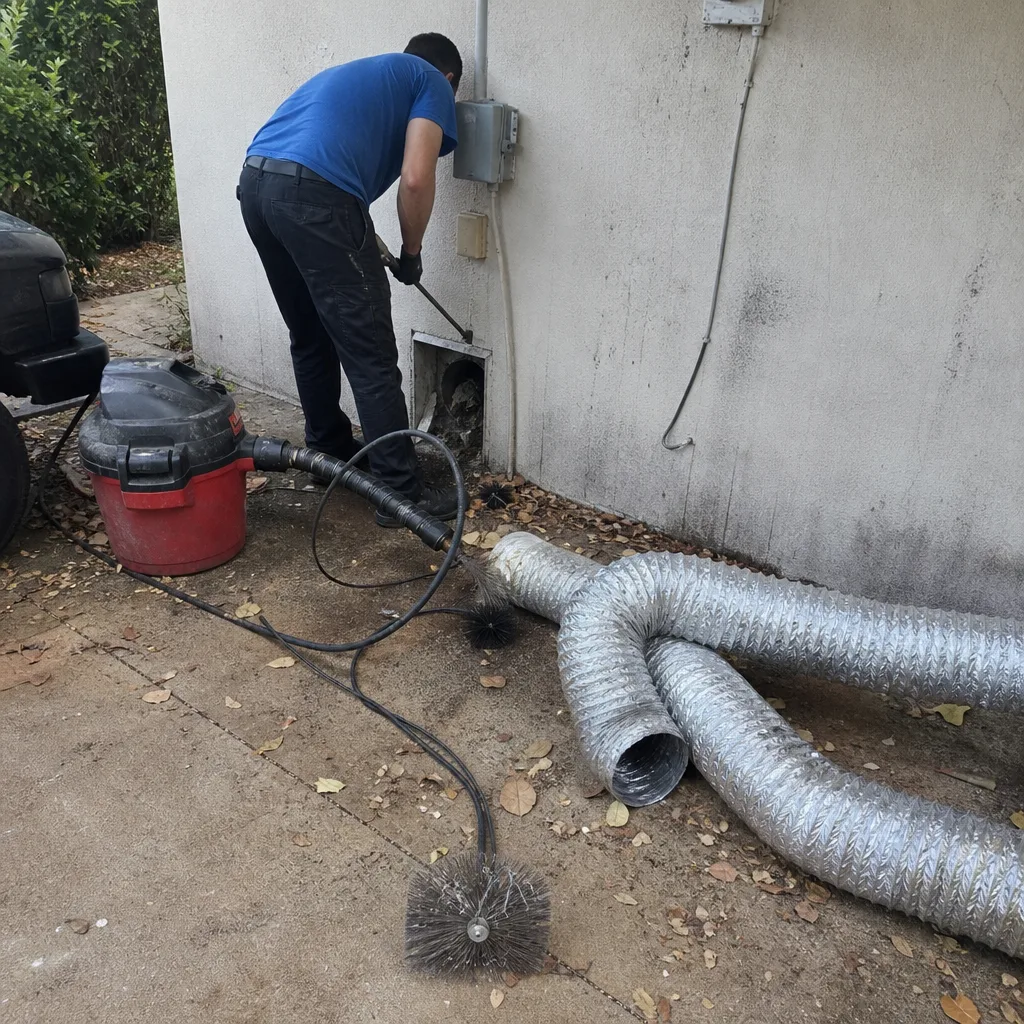 Before
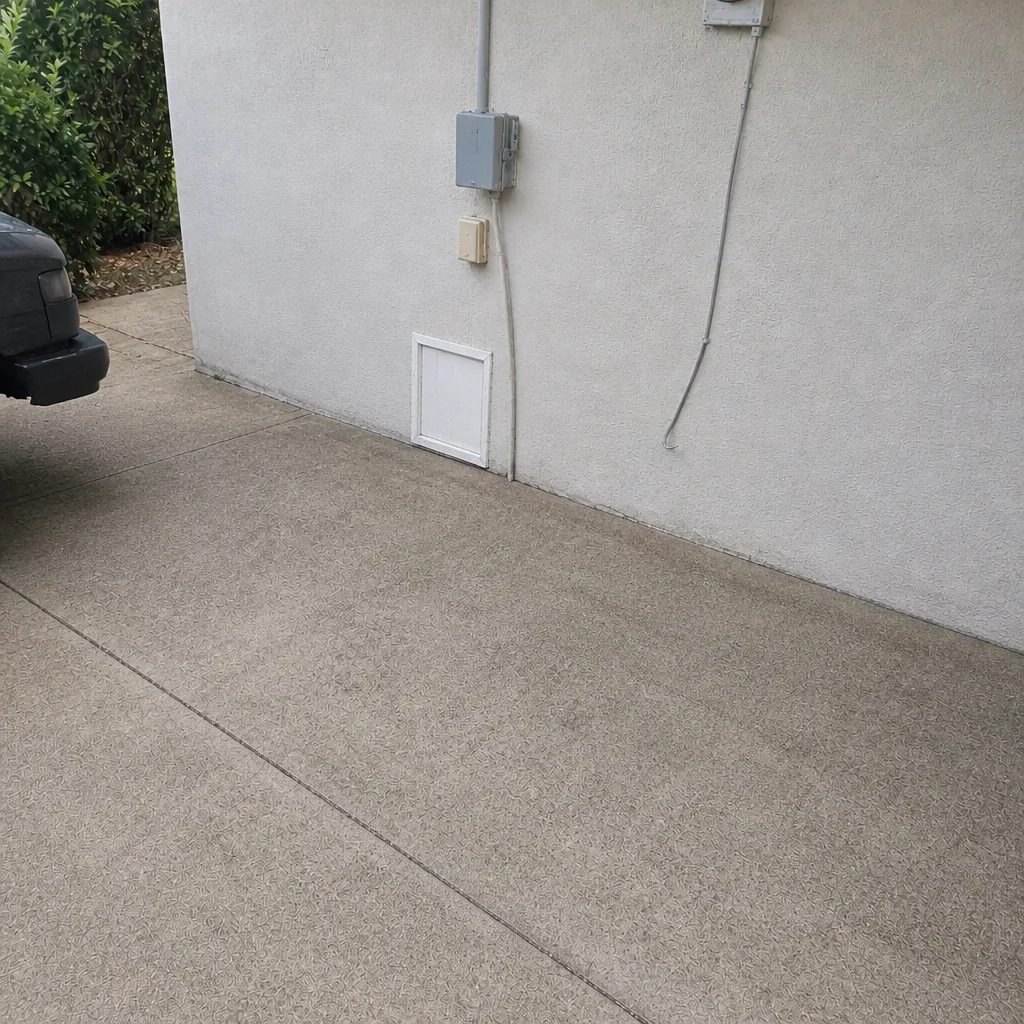 After
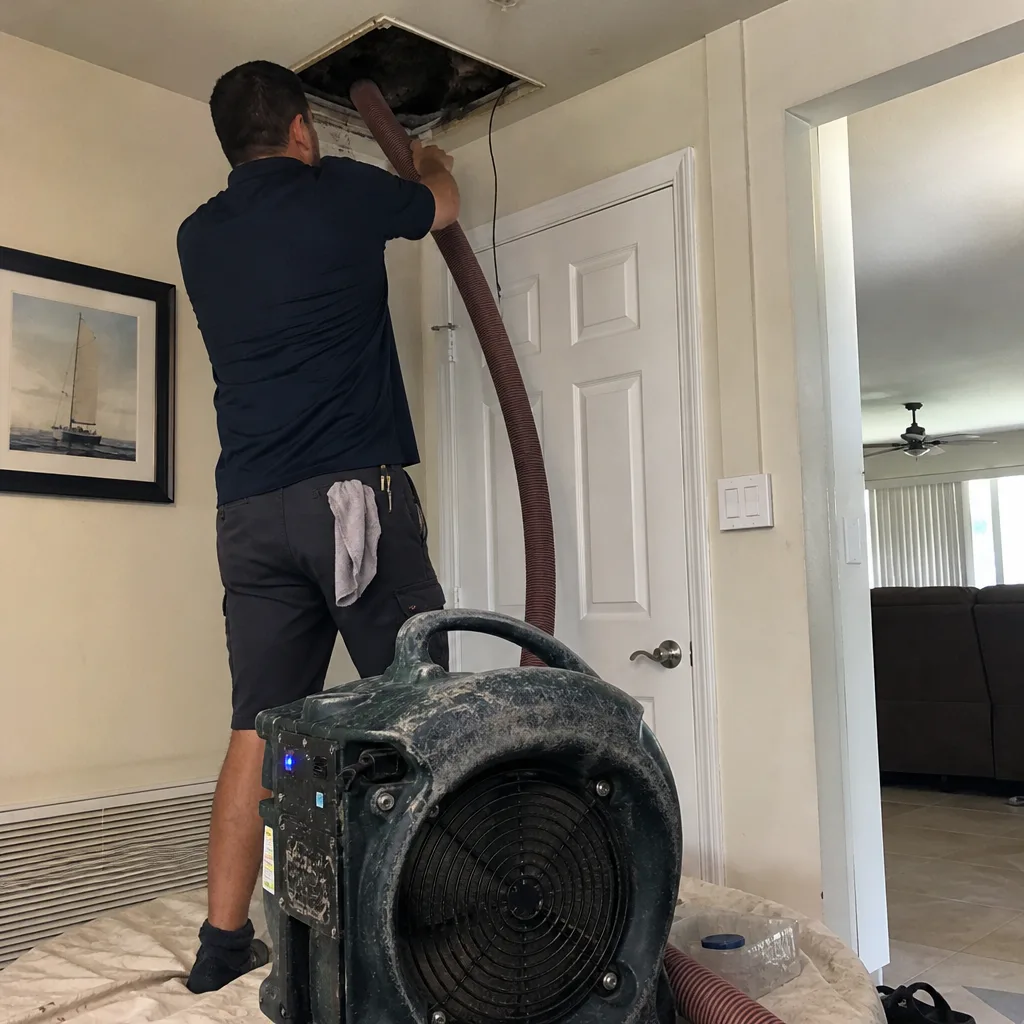 Before
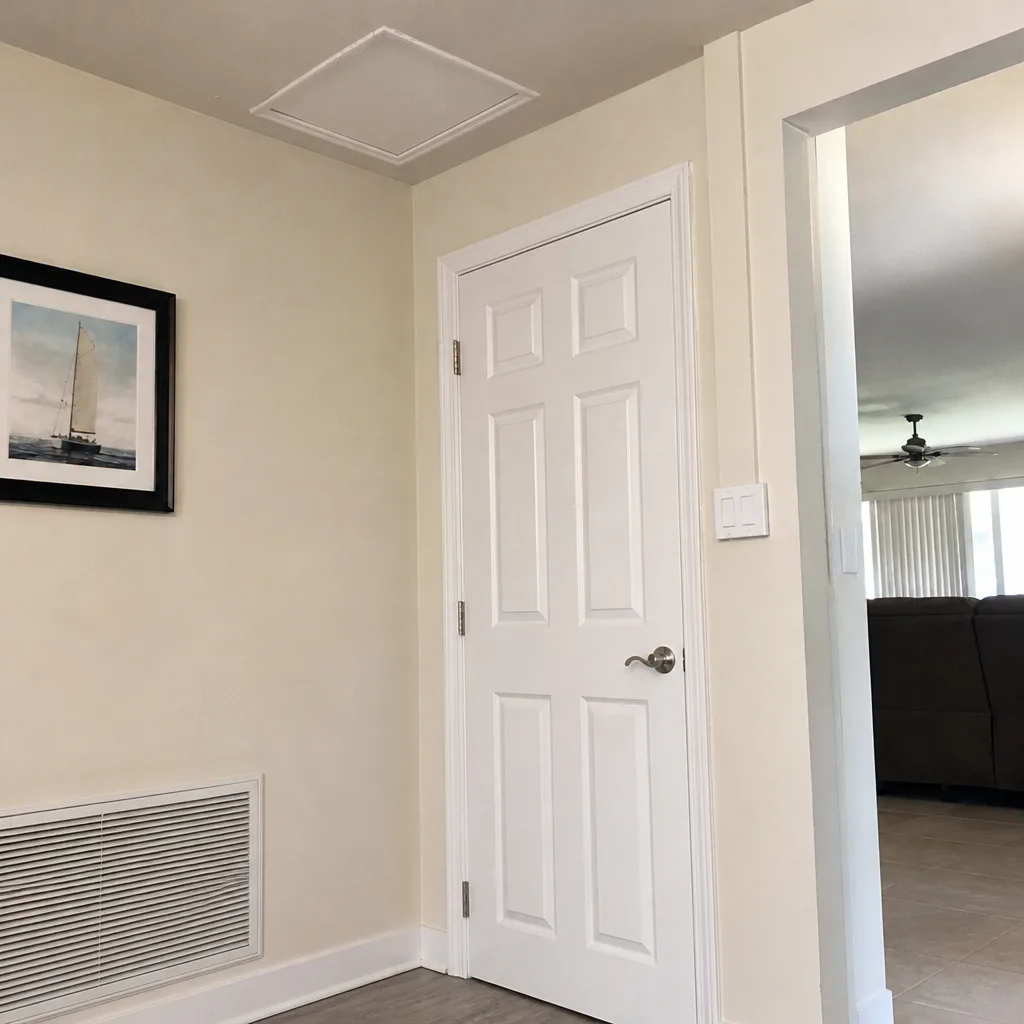 After
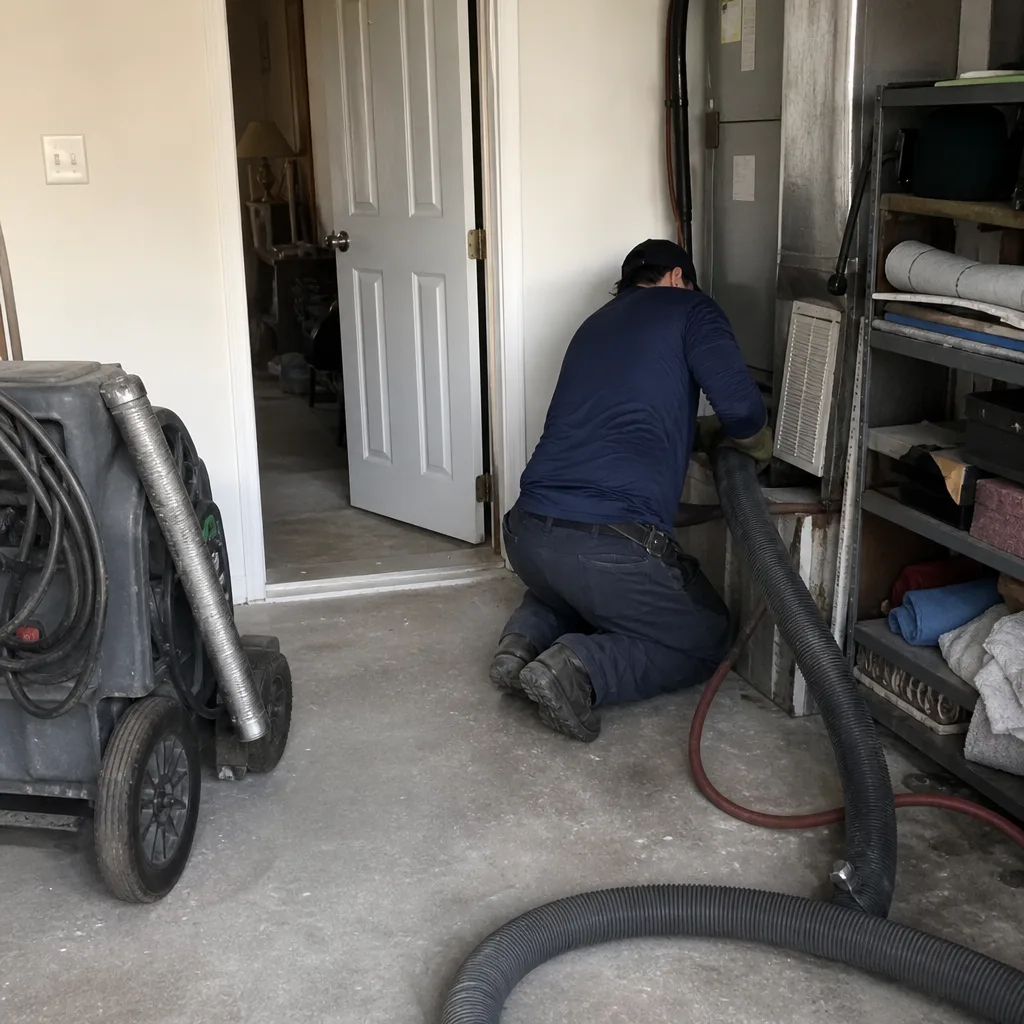 Before
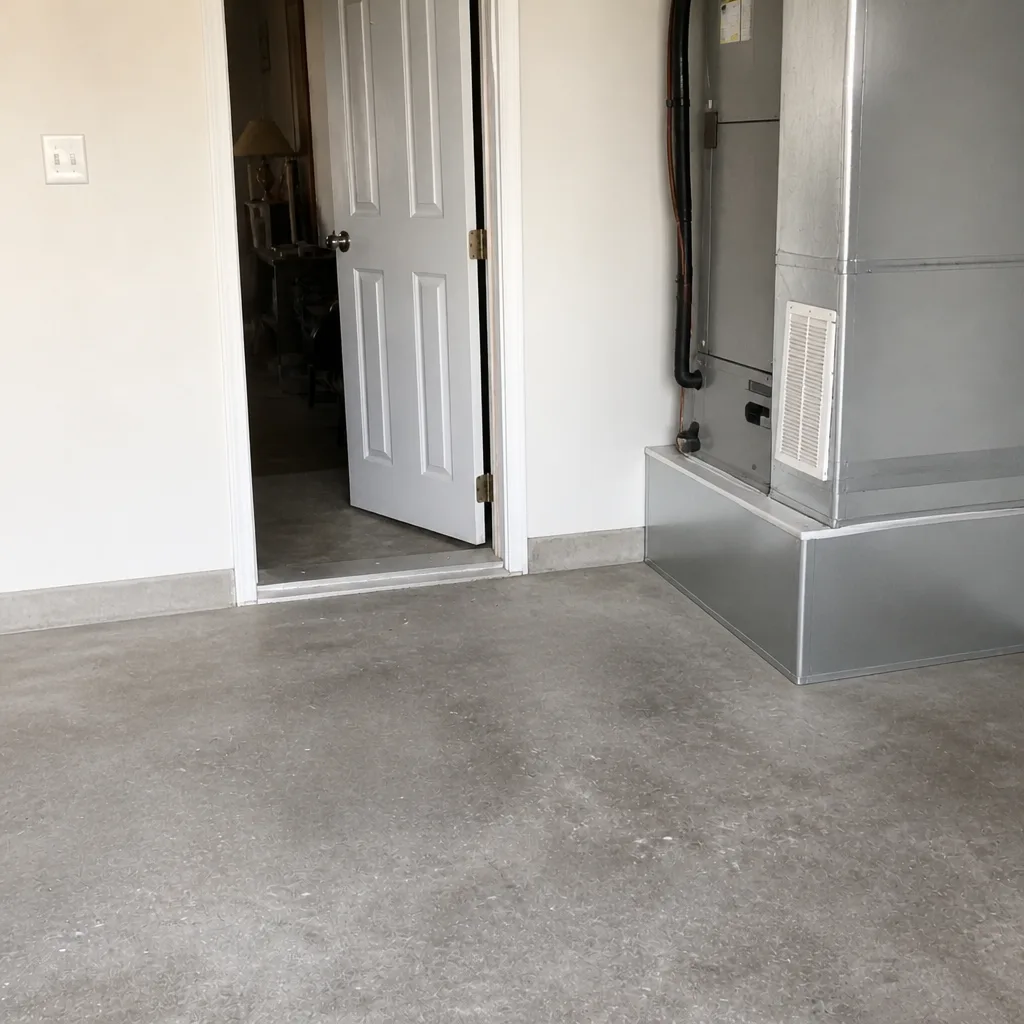 After
When to Call a Professional
Call a professional when you notice visible dust returning quickly after cleaning, when a musty smell appears with system start-up, or when your filter clogs faster than it used to. Call if you’ve recently completed a renovation that involved drywall, if you’ve just moved into a Cape Coral home with an unknown cleaning history, or if an HVAC technician has noted contamination on an inspection. Call if your system has been in service for several years without a documented cleaning, or if you see visible dust on the supply registers that keeps coming back.
Duct Cleaning Cape Coral offers free estimates in Cape Coral. We answer 24/7, fast dispatch from 7am to 7pm. Call (877) 384-7616. The estimate is free and the price is set per system by the written estimate.
Frequently Asked Questions
Most professional whole-system cleanings in Cape Coral land in the $350 to $650 range for a standard single-story home and $500 to $900 for larger or two-story systems. These are typical estimated ranges; the written estimate sets the final price. Call (877) 384-7616 for an exact quote. Estimates are free.
Because they’re describing a different service. The lowest quotes in this market typically involve a shop-type vacuum, a brief brush pass, and no HEPA containment, which is closer to surface agitation than actual source removal. Those visits can also produce a price that grows once the technician is on site. We price per system, agree on the flat price in writing before work starts, and provide before-and-after photos of your own ducts so you can see what was actually removed. Call (877) 384-7616 for an exact quote; estimates are free.
You should see three things: before-and-after photos of your duct interiors and air handler, a written summary of what was cleaned and any issues found, and access ports properly sealed after the work. You should also hear the rotary brush running during the service and see HEPA containment equipment connected to the negative-pressure machine. If any of those is missing, ask. Call (877) 384-7616 to schedule; estimates are free.
Every three to four years is a realistic cycle for most Cape Coral homes, given the year-round cooling season and high humidity. Homes with pets, recent renovations, or household members with allergies may benefit from a shorter interval. Homes with well-sealed systems and disciplined filter changes can stretch toward the four-year mark. Call (877) 384-7616 to talk through your specific situation; estimates are free.
It genuinely changes how hard the job is. High humidity turns loose dust into a bonded layer, and a bonded layer requires mechanical agitation with a rotary brush to break loose. That’s why good equipment matters more here than in a dry climate. Cape Coral homes see this pattern consistently, and it’s a real factor in how long a cleaning takes and what it costs.
We handle both. Duct repair is one of our core service lines alongside cleaning and dryer vent cleaning, so if we find a disconnected boot, a sagging run, or a failed joint during the cleaning, we can address it in the same visit or schedule a return. Cleaning without repair is often a job half done. Call (877) 384-7616 to book; estimates are free.
We run Rotobrush rotary brush systems for mechanical cleaning and Nikro negative-pressure equipment with HEPA filtration for containment and extraction. Both are standard in professional duct cleaning and restoration work. We also use Abatement Technologies filtration for tighter containment when the situation calls for it, and we’re familiar with Honeywell and Aprilaire components used in the filtration and air quality setups common in Cape Coral homes. We answer 24/7. Call (877) 384-7616.
The Bottom Line
Duct cleaning in Cape Coral is not the same job as duct cleaning in a dry climate. High humidity bonds contamination to duct walls, slab-on-grade construction creates under-floor moisture risks, and canal-side homes can carry their own specific patterns. A legitimate cleaning is mechanical source removal with HEPA containment, produces before-and-after documentation, and includes a look at the air handler and at any leaks in the system. Duct repair sits alongside cleaning because cleaning alone can’t fix what’s leaking. When you’re ready for a straight answer on your own home, call Duct Cleaning Cape Coral at (877) 384-7616. We answer 24/7. Fast dispatch from 7am to 7pm, Sunday through Friday. The estimate is free, the price is set per system by the written estimate, and we’ll show you the photos when the work is done.
Written by the team at Duct Cleaning Cape Coral.